


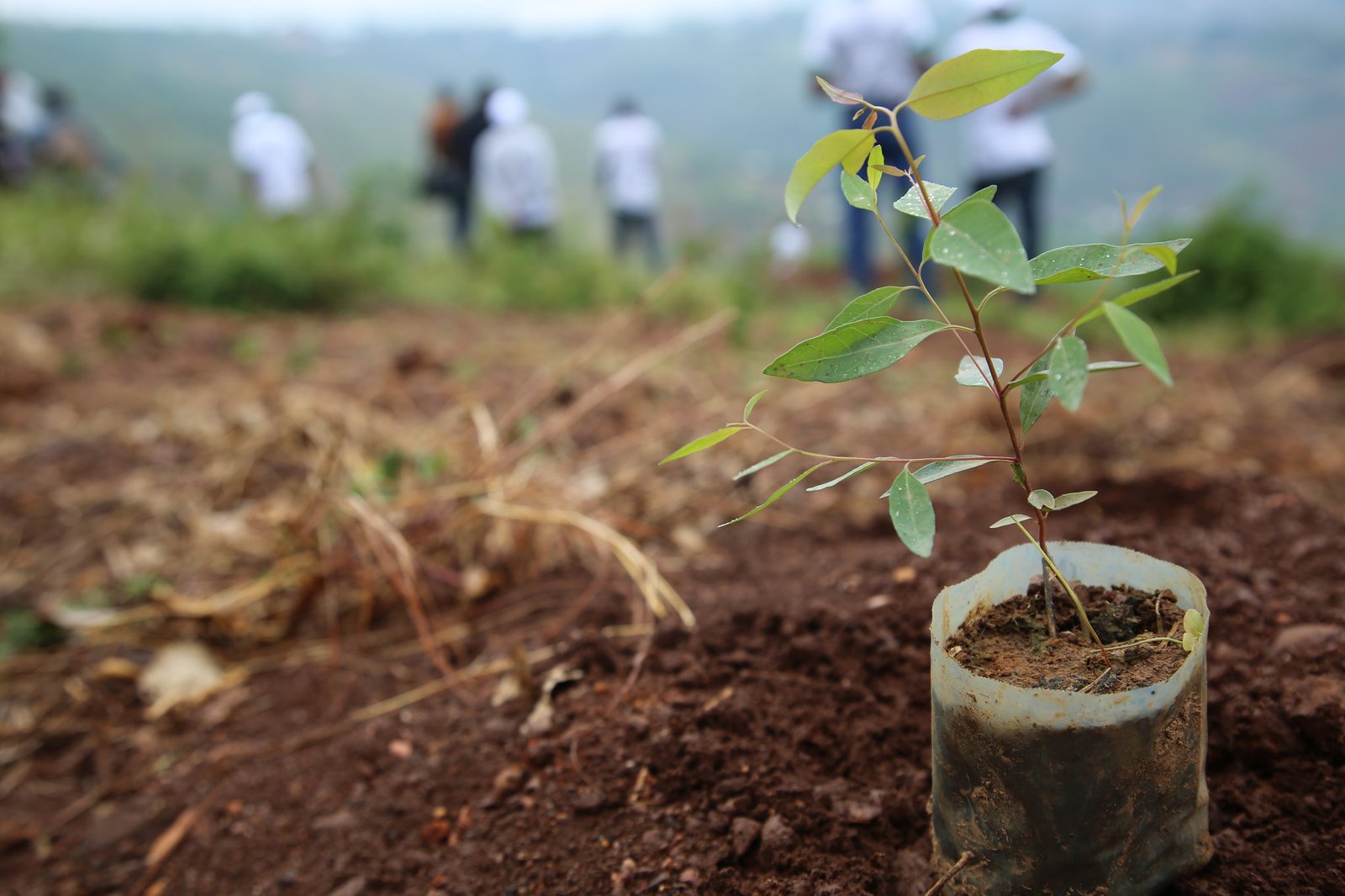
Green City Kigali, a multi-billion dollar project, will be Africa’s first green city and Rwanda’s pilot for sustainable urbanization.
By 2060, the proportion of Africa’s population living in urban areas is expected to be 60 percent, up from 36 percent in 2010. This process of urbanization will further increase pressure on basic infrastructure such as housing, sanitation, and healthcare. The situation is further exacerbated by climate change, which causes floods and droughts in equal measure.
Living in the complex matrix of Africa’s urbanization trends, countries are adopting smart city solutions in an effort to address growing inequality, poverty, and environmental degradation.
Rwanda, one of the countries where 35 percent of the population is expected to live in cities by 2024, has decided to tackle this situation early.
In a first-of-its-kind development, the landlocked East African country is building the continent’s first green city through the government’s Economic Development and Poverty Reduction Strategy (EDPRS).
african model
The project is estimated to cost $5 billion on 620 hectares of land and will see 30,000 homes built, benefiting an estimated 150,000 people and creating 16,000 jobs in the local community. It is located approximately 16 kilometers from the capital, Kigali.
“As a flagship green growth project, Green City Kigali will provide green and affordable housing in the capital’s Kinyinya district and serve as a model for sustainable urban development that links affordable housing with climate change adaptation and mitigation measures,” the environment ministry said in a statement.
Adopting a sustainability approach, Green City Kigali caters to both low- and moderate-income residents and will install green buildings, renewable energy, and wastewater and rainwater collection systems in all homes. There will also be a recycling plant to ensure treatment and reuse of waste fluids.
Green City projects leverage clean technology and incorporate multiple green aspects, from biogas plants, urban forests, and electric vehicles to bike and motorcycle lanes. These aim to reduce air pollution and environmental degradation.
The project will use local building materials to ensure the homes are affordable to the community and environmentally sustainable.
The project will be built in two stages. The first phase, named Cactus Green Park, will include a housing development with 410 homes on a 13-hectare site. The second phase will include a residential development consisting of green commercial and office buildings covering 125 hectares.
“The green concept advocated by the Rwandan government has set the pace for the sustainable management of African cities, as rapid urbanization places great strain on social amenities,” urban planning expert Rikki Otega told Fair Planet. “Population will grow rapidly over the years and cities can no longer sustain this bulge. Governments will therefore have to think and act differently to manage the cities of the future.”
“However, for the sustainable urban model to be long-lasting and inclusive, governments and project implementers must actively engage local communities to take ownership of the projects. After all, governments will rely on communities to make this concept a reality,” Otega added.
Realizing a Rwandan-style green economy
The Green City project is the latest in a series of sustainable interventions aimed at making Rwanda a model for a green economy in Africa. Its various green and clean interventions are based on the Economic Blueprint Vision 2020, which aims to position the country as an environmentally sustainable middle-income country.
In 2008, the country enacted a total ban on plastic bags at a time when much of the world was still hesitant about the issue and many countries were content with simply taxing plastic bags. Passengers are currently not allowed to enter the country with plastic bags and will be fined $150 for carrying a plastic bag. The shopkeeper who was in possession of the bag could face up to 12 months in prison.
Umugunda, which means “uniting towards a common goal” in Rwandan, is a monthly movement aimed at cleaning the streets. Held on the last Saturday of every month, the initiative brings together able-bodied citizens to perform cleanup activities such as sweeping streets, unclogging sewage systems, and clearing brush. The president will also participate in the training.
The government has also introduced car-free zones in an effort aimed at easing traffic congestion in Kigali and creating a pedestrian-friendly environment. With cars and minibuses banned from entering the city centre, residents rely on buses, bicycles and walking for their daily commute.
These efforts bore fruit. In 2008, UN-Habitat awarded Kigali with the prestigious UN-Habitat Scroll of Honor Award for its efforts to promote an increasingly industrialized yet environmentally friendly city.
In 2015, World Travel Guide, an international travel guide for adventurous travelers, ranked Rwanda in the top three greenest places on Earth, after Costa Rica and Ecuador.
Image by Rwanda Ministry of Environment
