


Coordinated action in hotspots like KwaZulu-Natal has dramatically reduced site disruption.
The government and the construction industry appear to be winning the battle against the so-called “construction mafia.”
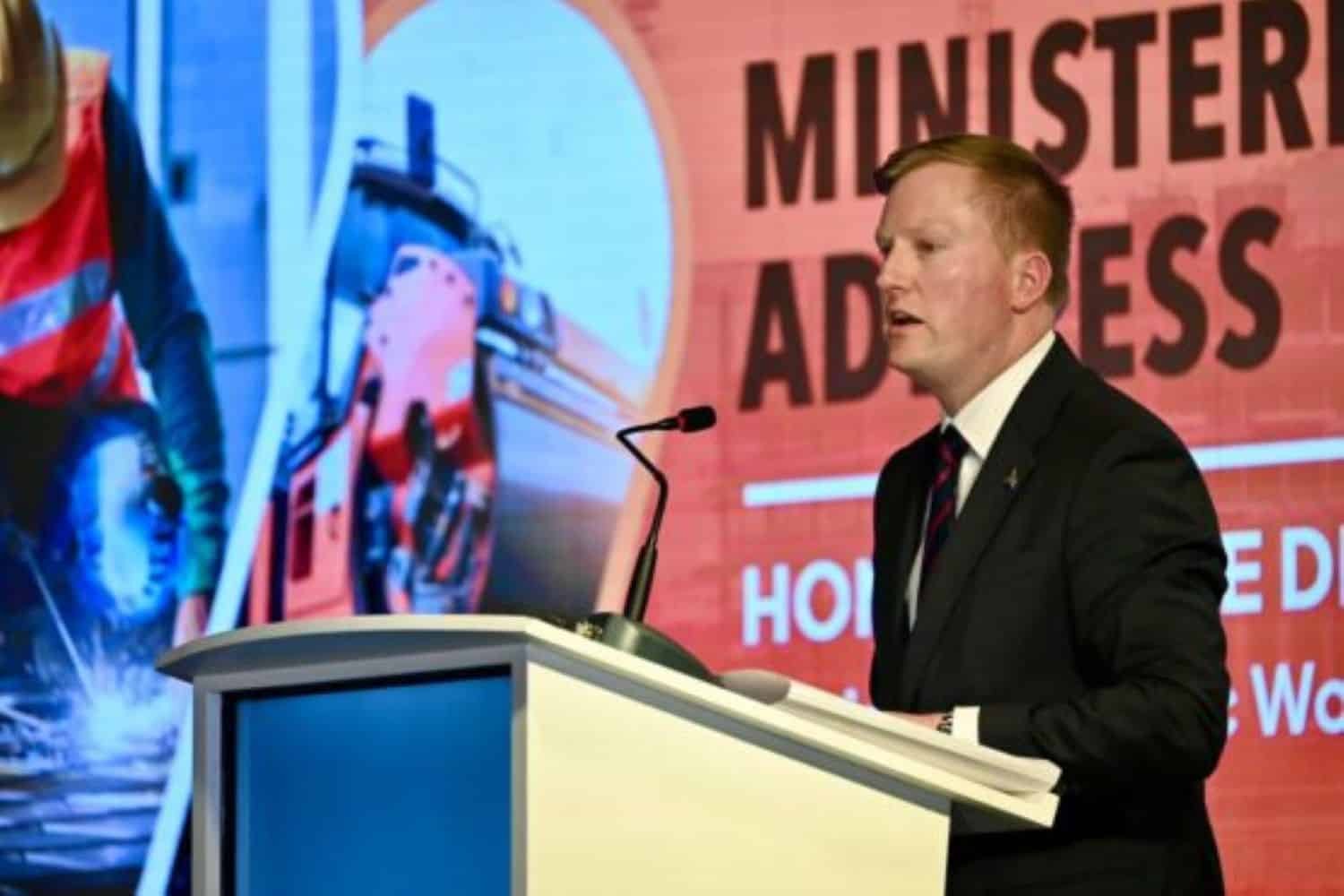
Minister for Public Works and Infrastructure Dean McPherson announced Thursday that 241 people have been arrested and 176 people have been convicted in more than 770 cases of construction-related extortion and intimidation reported over the past year.
Mr McPherson told the nation-building summit that this was not “just progress on paper” but reflected a determination to “dismantle any further organized crime networks from the extortion industry”.
President Cyril Ramaphosa told the summit that the government had “declared war on the construction mafia” and assured industry players that the “construction mafia” would not derail the summit’s objective of turning the country into a construction site through infrastructure investment and reforms.
“We will not negotiate with the construction mafia. We will not bow down to cable robbers and infrastructure vandals,” Ramaphosa said.
Also read: Draft regulations to combat construction mafia criminal activities
KZN success
MacPherson said KwaZulu-Natal, considered a hotspot for construction mafia-related activity, had seen a significant reduction in monthly site disturbances, from more than 60 a month last year to now less than 10 a month.
“This is due to the actions we have taken in collaboration with the police, businesses and public bodies,” he said.
“We set up a dedicated hotline for communities to report construction cancellations at any time and worked closely with construction companies to restore the rule of law.
“The South African Police Service (SAPS) and the Private Security Industry Regulatory Authority are currently working together to dismantle these criminal networks.”
The success achieved against the construction mafia follows the signing of the Durban Declaration with SAPS and National Treasury at the first Nation Building Summit held in Durban in November last year.
Mr McPherson said the declaration was the government’s “red line in the sand, a commitment to restore law and order to construction sites and end the reign of terror that is blocking investment, delaying deliveries and putting lives at risk”.
ALSO READ: ‘They will regret the day we passed’: Limpopo mayor threatens construction mafia over stalled projects
industrial recovery
Prime Minister Ramaphosa said the recovery and the beginning of an upward turn for the construction industry was evident in the employment figures released by the Department of Statistics earlier this week, with the Quarterly Labor Force Survey showing that the official unemployment rate had fallen from 33.2% in the second quarter to 31.9% in the third quarter.
He said employment rose by 248,000 people in the third quarter, with construction making the biggest contribution, creating 130,000 new jobs.
Mr McPherson said the construction industry’s recovery was “not a coincidence” but a direct result of the reforms, partnerships and determination the government was bringing to the industry.
He said efforts had been made since the Durban Summit to address structural issues that left projects vulnerable, including opaque regulations, weak community engagement and poor project preparation.
Also read: ‘Extortionists are overwhelming the police’: SA continues to slide into a mafia state
The arrival of the “game changer”
Mr McPherson said this is why the Government is finalizing the Integrated Social Promotion Framework, which will be a major change in how engagement and partnership with local communities is done “before the shovel hits the ground”.
This means communities will not only become meaningful participants in government projects, he said, but also become “our first line of defense against those who seek to sabotage our progress.”
“This is also why we have reinvigorated the (Construction Industry Development Board) CIDB National Contractor Development Framework to help emerging contractors enter the formal system with better support and compliance, including supporting the BUILD program with a record-breaking R300-million budget allocation.”
Mr McPherson acknowledged that while more work was needed to ensure the private sector could partner with government and trust in the public sector construction pipeline to invest in the future of South Africa’s infrastructure, government must ensure public building projects were completed on time and on budget.
He acknowledged that contractors are bearing the brunt as the government fails to pay on time or is stuck in endless approval loops.
Also read: 30% Overuse of building rules ‘cannot continue’, says McPherson
fix what’s broken
Mr Macpherson said this was why the South African Construction Action Plan (SACAP), which covers public works and infrastructure in his and all nine provinces, was adopted at a special meeting last month to correct deficiencies in public sector infrastructure provision.
Mr Ramaphosa said SACAP is a framework for collective and individual responsibility, with plans to set measurable targets, realistic timelines and enforceable results.
He said the plan outlines measures to prevent underperforming contractors from winning new contracts from the state and also aims to fix cash flow constraints and leverage technology to track construction projects in real time.
“All public works departments will establish procurement war rooms to identify bottlenecks, expedite assessments and ensure projects move from bid to field without unnecessary delays.
“This plan includes actions to strengthen audit and governance outcomes and professionalize the public sector built environment.
“Essentially, this plan ensures that projects are started and completed on time, on budget and without waste,” he said.
CIDB CEO Bongani Dladla said the number of unfinished and delayed projects was a challenge, something all summit participants were well aware of.
Mr Dladla said CIDB’s analysis with the Auditor General revealed that 60 to 70 per cent of public works projects were not considered successful in the sense of delays, significant overruns or some kind of compromise in quality.
“This summit aims to help us consider that and create catalytic action,” he said.
This article is republished from Moneyweb. Please read the original text here.
