


From urban to rural areas, living conditions in Africa have changed dramatically over the past 15 years, according to a new study.
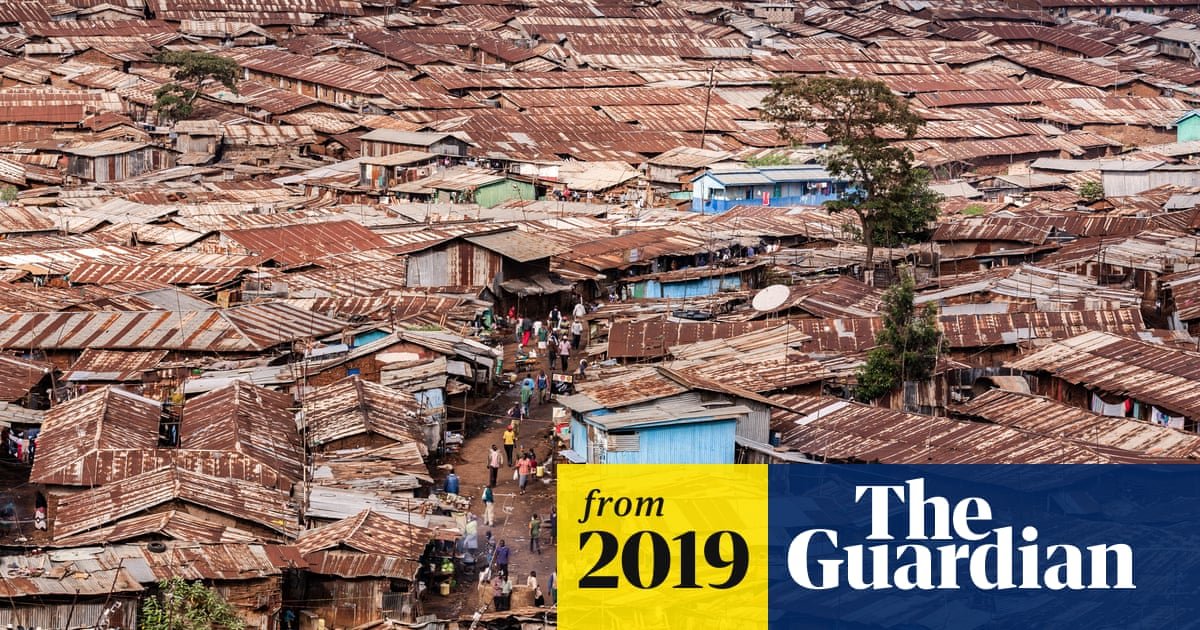
But the study, published in the journal Nature and based on cutting-edge mapping, also found that almost half of the urban population – 53 million people across the countries analyzed – live in slums.
The study, led by the London School of Hygiene and Tropical Medicine, provides the first detailed estimate of housing quality in sub-Saharan Africa.
Using the most recent data available from 31 countries, researchers found that several measures improved housing over a 15-year period. Adequate living space, improved water and sanitation, and structural durability were found in 23% of housing units in 2015, up from 11% in 2000.
Dr Sameer Butt from Imperial College London, lead author of the study, said:
“We found that the number of people living in improved homes has doubled. This is consistent with the success stories we are seeing in development in Africa. This is supported by a range of other studies showing that once people earn enough income, they invest in housing.”
Mr Butt said the improvements would have a “huge impact” on people’s health and susceptibility to disease.
“You can give someone a mosquito net with insecticide, but having windows that can be closed makes a big difference,” he says.
The study found that the need for adequate housing is “particularly acute” in Africa, as the continent’s population is the fastest growing in the world, projected to grow from 1.2 billion in 2015 to 2.5 billion by 2050.
The highest rates of improvement were in Botswana, Gabon and Zimbabwe. Progress has been less pronounced in countries such as South Sudan, Ethiopia and the Democratic Republic of the Congo.
Researchers have found that improving housing can be linked to economic development. The odds of improved housing were 80% higher for the most educated households and twice as likely for the wealthiest households compared to the least educated or the poorest households.
The new data could guide interventions to achieve universal access to safe and affordable housing and improve slums by 2030, one of the United Nations’ Sustainable Development Goals.
Dr Lucy Tasting, who conducted the research while at the University of Oxford’s Malaria Atlas Project, said: “Adequate housing is a human right. Remarkable developments are occurring across the continent, but until now this trend has not been measured at scale.”
The United Nations definition of a slum household is one that is unable to protect itself from extreme weather events, has three or more people living in a room, lacks access to safe water and adequate sanitation, and has no security of housing rights.
The researchers surveyed 600,000 households using an innovative method that allowed them to map the prevalence of different housing types across the continent, defining housing as “improved” if it met the first four conditions, but did not look at security of homeownership.
