


The next frontier in mine maintenance in South Africa is generative artificial intelligence (GenAI). By linking people, equipment, parts, and real-time data, maintenance can be done autonomously, enabling faster and more accurate decision-making on the mining site.
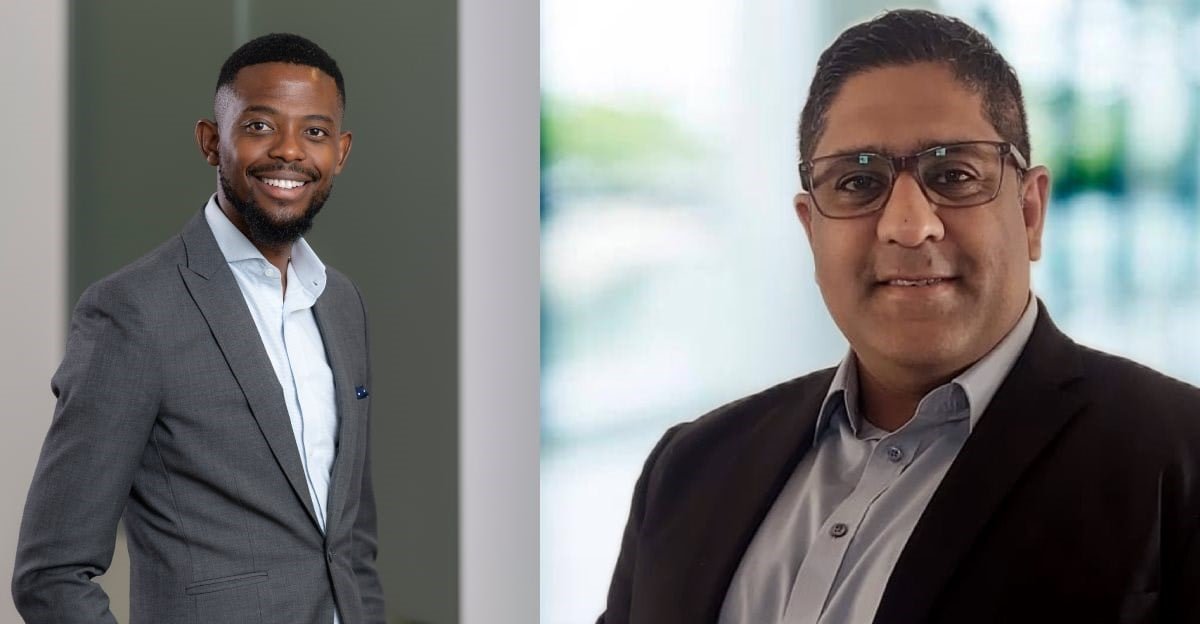
Akash Singh, Platinion Principal IT Architect at BCG Johannesburg. Image provided.

Puso Taahane, Partner at BCG Johannesburg. Image provided.
During the Investing in Africa Mining Indaba 2026 in Cape Town, Boston Consulting Group (BCG)’s Platinion Principal IT Architect, BCG Johannesburg, Dr. Akash Singh, and BCG Johannesburg Partner, Puso Terhane, spoke to Bizcommunity about how GenAI is revolutionizing mine maintenance in South Africa.

How is GenAI reinventing mine maintenance?
GenAI is reinventing mine maintenance by integrating structured and unstructured data, such as sensor feeds and technician notes, to predict failures, perform diagnostics, order parts in real-time, and coordinate field support.
Enable coordinated, more autonomous maintenance operations with an orchestration layer that connects people, equipment, parts, and real-time data.
What are the benefits of using AI for mine maintenance?
Applying AI to maintenance has been shown to improve fleet availability by up to 15% and reduce maintenance costs by 10%.
AI can also improve technicians’ work execution time by up to 20% by increasing visibility, integrating previously siled systems, and enabling faster, more accurate decision-making at the mine site.

What will be the impact on mine maintenance workers and will they eventually be replaced?
GenAI is designed to augment, not replace, mine maintenance personnel.
It is most effective when integrated into existing workflows and used to predict equipment failure early. This allows technicians to plan work orders, proactively order parts, and perform work more efficiently with better diagnostics and coordinated support.
How can mining companies integrate AI into their operations?
Companies can integrate AI by creating an orchestration layer that connects all maintenance data, integrating the GenAI platform with ERP, EAM, and IT/OT systems, and adopting modular solutions that don’t require high levels of digital maturity.
Preparing your organization and incorporating GenAI into established workflows is essential for successful implementation.
Beyond mine maintenance, how can AI improve mine safety and health standards?
GenAI reduces safety risks posed by unplanned maintenance and siled predictive systems by improving visibility and coordination across equipment, people, and data.
Better diagnostics and real-time support prevent dangerous failures and enable safer technician intervention.

What will mine maintenance look like over the next five years?
Mine maintenance will continue to move towards an automated maintenance ecosystem. There, GenAI autonomously predicts the likelihood of equipment failure, identifies needed parts and spares to repair equipment, and links to existing work order management systems to support human-driven scheduling, parts coordination, and work order execution.
Maintenance operations will become more integrated across sites, and technicians will rely on real-time data to support diagnosis, planning, and work execution.
We expect the performance gains we see today – 15% availability, 10% cost savings, and 20% job optimization – to become the norm.
