


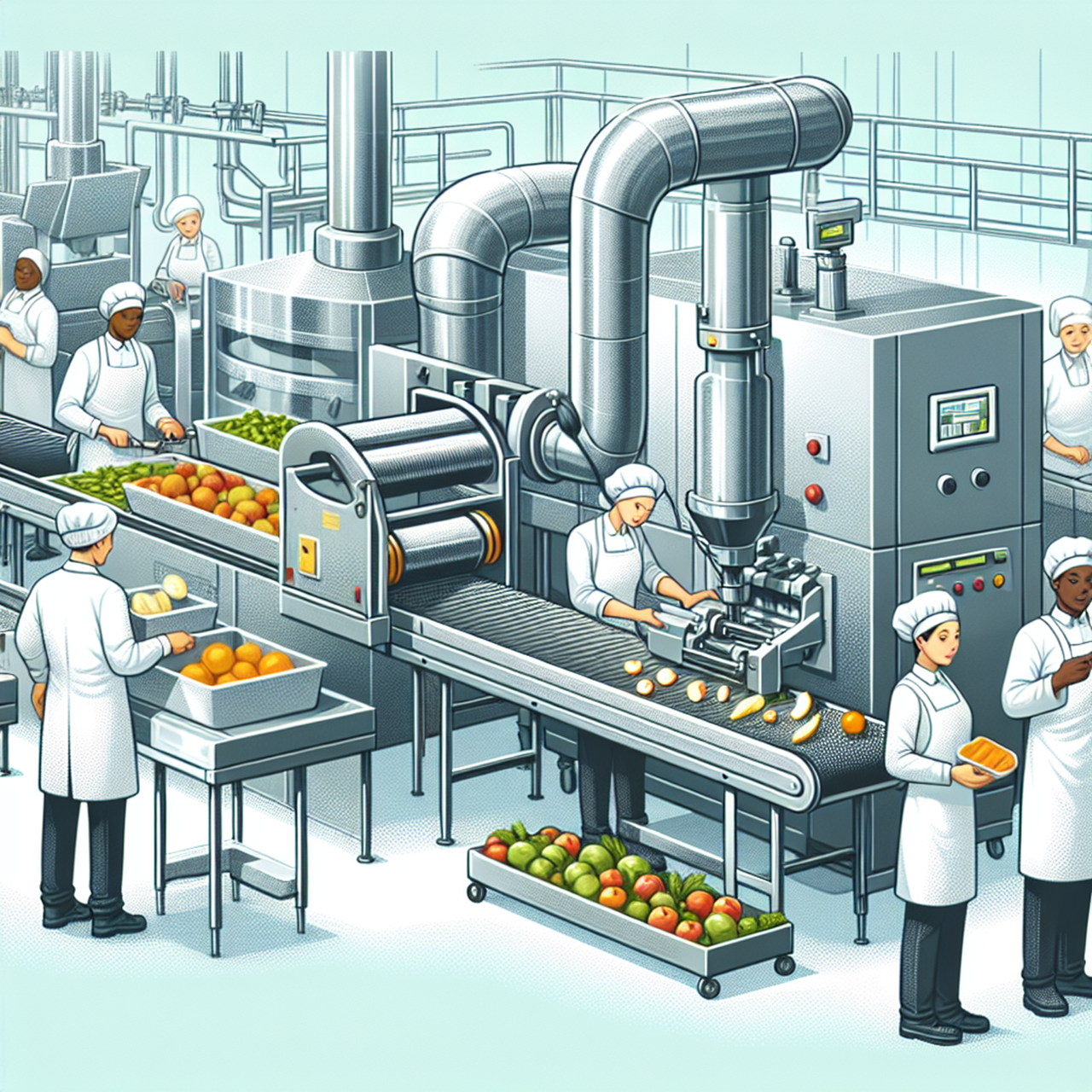
The International Finance Corporation (IFC), a member of the World Bank Group, has committed $28.6 million to Sri Lanka’s CBL Group as part of a broader $40 million financing package to strengthen the food manufacturer’s global growth ambitions and support the country’s export-led economic recovery.
The investment will enable CBL, one of Sri Lanka’s largest food manufacturing conglomerates, to expand its footprint across Asia and Africa, building on the growing global demand for coconut-based products and the growth of the West African consumer market.
Strategic acquisitions and expansion in key markets
IFC’s financing supported CBL’s acquisition of PT Tri Jaya Tangguh India (TJT), a large-scale coconut processing facility in Indonesia, as well as the expansion of the group’s biscuit manufacturing operations in Ghana.
These moves are expected to strengthen CBL’s supply chain and increase production capacity, further increasing the company’s competitiveness in fast-growing international markets.
Positioning Sri Lanka as the world’s coconut export hub
CBL Group Managing Director Shea Wickremesinghe said the partnership comes at a pivotal time for both the company and Sri Lanka’s broader export sector.
“Global demand for coconut and coconut-based products is accelerating and we believe there is a significant opportunity to position Sri Lanka as a leading exporter of this category,” Wickremesinghe said.
He noted that the company’s expansion in West Africa reflects the growing demand for Sri Lankan brands in new consumer markets.
“These strategic expansions will strengthen CBL’s global presence while contributing much-needed foreign exchange earnings to Sri Lanka and strengthening the country’s export competitiveness,” he added.
Export growth momentum is strong, but untapped potential remains
Sri Lanka’s export sector continued its upward trajectory in 2025, growing by 5.6% to reach $17.2 billion.
However, the World Bank Group estimates that the country has an unrealized export potential of about $10 billion a year, which, if released, could create more than 140,000 new jobs.
Gevorg Sargsyan, World Bank Group Country Manager for Sri Lanka and Maldives, said supporting established domestic manufacturers is important for long-term economic resilience.
“Sri Lanka’s sustained growth depends on its ability to significantly increase exports and strengthen its private sector,” Sargsyan said.
“Supporting established domestic manufacturers like CBL to expand globally is a strategic move that will create jobs, generate significant foreign exchange and help build a stronger and more competitive Sri Lankan economy.”
He added that the investment demonstrates the World Bank Group’s commitment to promoting export-driven economies, particularly through support for agribusiness and food manufacturing.
A long-term partnership focused on empowering small businesses and women
IFC and CBL’s relationship dates back to 2017, when they launched an advisory project aimed at strengthening small and medium-sized enterprises within CBL’s distribution network.
Through the Senehasin Jayamagatha (Pathways to Success) capacity development program, part of IFC’s Working Women Initiative in partnership with the Australian Government, this project delivered:
Financial planning and management training
Business development support
Increased participation of women in distribution networks
Promoting digital payments
The program reached approximately 360 distributors and 4,000 retailers across CBL’s network.
Ongoing advisory support in Ghana and Indonesia
IFC said it will continue to provide advisory services to CBL’s operations in Ghana and Indonesia, focusing on:
Hiring more women through our distributor network
Increased female labor force participation
Enhance comprehensive growth outcomes across new markets
Strengthening Sri Lanka’s export competitiveness
The investment is expected to support Sri Lanka’s broader economic priorities by helping the country’s leading manufacturers scale up globally, diversify export earnings and strengthen their competitiveness in the high-demand food and agribusiness sectors.
