


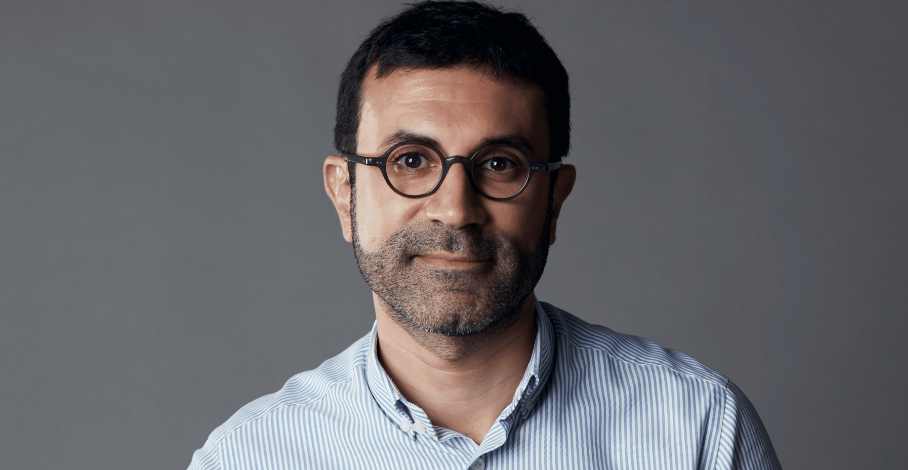
Hasnain Yavarhaussen, CEO of local group Firatex, says public-private cooperation is key to helping Madagascar achieve universal access to electricity.
Founded in 1979, the group is the country’s largest private electricity producer, accounting for more than 40% of national production.
“Our mission is to produce enough energy for all the people of Madagascar, while accelerating the transition to a clean, sustainable and autonomous energy future,” Yavarhausen said in an exclusive interview with ConstructAfrica. “We aim to reduce the country’s dependence on imported fossil fuels, improve energy access and stability, and promote affordable green solutions.”
Madagascar’s Mission 300 National Energy Compact outlines targets set by the government to expand access to electricity, increase the use of renewable energy and attract private capital by 2030, with access to electricity expected to jump by 80%, meaning an average of 2.2 million people will have access each year by 2030.
The agreement, announced at the Africa Energy Summit in late January in Tanzania, is part of the Mission 300 initiative, jointly developed by the African Development Bank (AfDB), the World Bank, the Rockefeller Foundation, the Global Energy Alliance for People and the Planet (GEAPP), Sustainable Energy for All (SEforALL), and global partners including the African Union, the United Nations, and regional development banks. The World Bank and AfDB are contributing US$48 billion to the program, with other development partners contributing US$7 billion. To date, a total of 17 countries, including Madagascar, have proposed energy compacts.
Due to Madagascar’s compact land mass, renewable energy capacity is expected to increase by 893 MW by 2030, of which 560 MW will come from solar power projects by 2028. The government is committed to continuing efforts to hybridize all thermal power plants and solar power in the short term (up to 600MW of capacity is expected to be required) and to work with the private sector to accelerate renewable energy projects, including commercial and industrial (C&I) investments. Facilitated by strict interconnection policies.
The authorities are considering mobilizing US$7.2 billion in funding to achieve the Energy Compact goals, of which 10% will come from the national treasury, 30% from loans and grants from development partners, and 60% from the private sector.
“At Groupe Filatex, we see this mission as a huge opportunity for all economic actors in Madagascar,” says Yavarhausen. “Madagascar’s energy sector is undergoing major transformation, (and) the private sector is resolutely committed to this transformation. Innovative partnerships between public and private players, each contributing their expertise and resources, are increasing to accelerate access to energy. We strongly believe that collaboration between all players is essential to harmonize efforts. By working with local institutions and communities, we can make tangible progress towards universal access to electricity.”
Yavalhausen believes that Madagascar’s exceptional renewable potential places it in a leading position in the transition to clean energy. Groupe Filatex is involved in a portfolio of renewable energy projects in major cities in the country, the first phase of which has either been completed or is currently underway.
Source: LinkedIn
On the northwestern island of Nosy Be, construction is underway on a 5MW ground-mounted solar power plant, with handover scheduled for September. The power plant will significantly strengthen the island’s energy autonomy while supporting a tourism-driven economy, Yavarhausen said.
In the capital region of Antananarivo, Groupe Filatex is developing the 40MW Moramanga solar power project, and the Oursun ZFI rooftop solar power project will provide 11MW to support industrial activities in the Group’s Ambohimangakery Free Trade Zone.
“Construction (on the Oursun project) is expected to start by the end of October or November, and renovations to the roof have already begun in preparation for installation,” Yavarhausen said. “In addition to these, Groupe Firatex also operates two large-scale hybrid power plants in Mandroceza and Antsirabe, which together generate 52.5 MW of solar energy, making the metropolitan area the epicenter of Madagascar’s renewable energy shift.”
Groupe Filatex is also expanding into wind energy, with a 120kW first stage project currently underway in the northern city of Diego, which Javalhausen points out is a promising step towards diversifying the country’s renewable energy mix.
“Our current energy projects in the Antananarivo region, Tulare (and) Nosy Be are concrete examples of how the private sector can effectively contribute to the electrification of the country,” said the CEO. “These achievements prove that the goals of Mission 300 are not only achievable, but can also be exceeded through enhanced public-private cooperation.
“There are challenges, but they are surmountable. Rapid demand growth requires increased investment and infrastructure modernization, while isolated rural areas require adapted solutions such as mini-grids and solar kits.”
Groupe Filatex primarily focuses on renewable energy development, but also works on industrial free zones and real estate projects.
“Free industrial zones and real estate have become powerful tools for economic diversification in Madagascar,” Yavarhausen said. “We are strong champions of these sectors and will continue to invest to make this country a competitive industrial and commercial center for the region.”
Source: Group
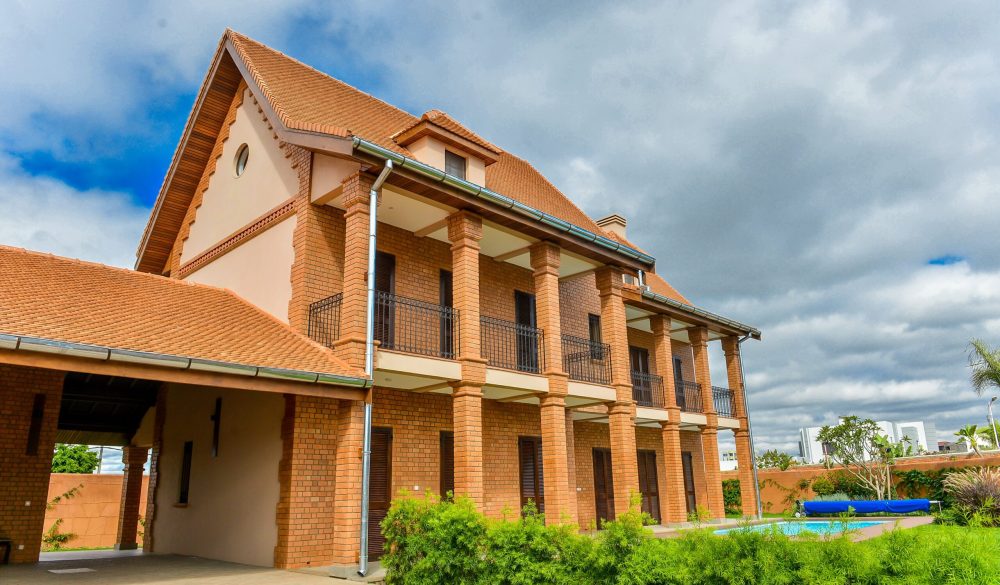
The group is currently developing major housing programs such as the Jardin de Vega gated community project in Antananarivo, as well as several villa and apartment projects such as the Torano Gasi luxury villa project and Eden Villa.
“These projects aim to meet the growing demand for quality housing while creating local jobs and urban vitality,” Yavarhaussen said. “A number of other developments have already been delivered, including Ventana (apartment building), Alhambra (villa development in Ancandin Bahoaka) and Grand Hotel Urban.”
“One of the key needs that we have identified and are actively addressing is the lack of luxury housing, especially in urban centres. This is a key factor in attracting and retaining investors, management teams and international partners. Groupe Filatex has made this area a strategic priority and is developing luxury residential projects that meet international standards while contributing to the urban attractiveness of Madagascar’s main cities.”
“But Groupe Filatex does more than just build real estate,” says Javarhausen. “We are designing and shaping entire urban districts that are sustainable, inclusive and socially connected. Our goal is to create integrated living environments that improve quality of life, foster community bonds and contribute to the long-term transformation of Madagascar’s urban landscape.”
“A great example of this is the Eden Apartments complex in the Encolondrano district. Spanning six buildings and comprising 48 luxury apartments, the project is connected to a bespoke sanitary network, offering both increased comfort for residents and a reduced environmental footprint.”
Yavarhausen acknowledges that there are challenges in Madagascar’s real estate sector, particularly in terms of access to land and skilled labor. “(But) we are making steady progress,” he says. “Public-private cooperation is intensifying and our integrated approach allows us to deliver projects that are not only functional but also comprehensive and sustainable.”
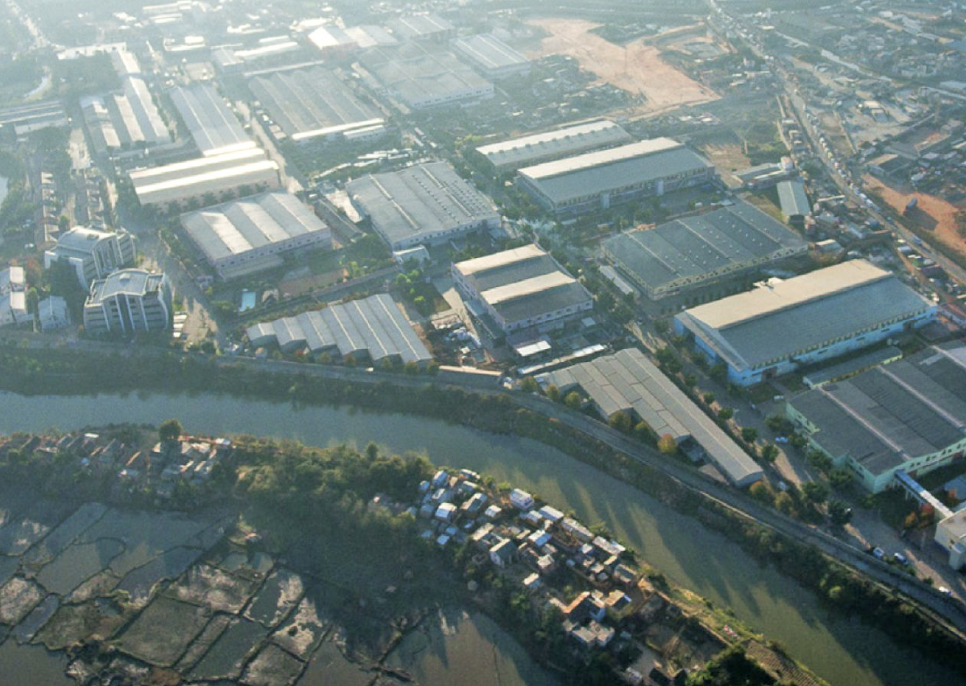
In parallel, Groupe Filatex is making significant investments in Antananarivo’s industrial free zone, particularly in Ankadin Bahoaka, with 180,000 square meters of industrial land. Ambohimangakery has 16 warehouses with solar roofs, with a total area of 144,000 square meters. and the 13,750 square meter Anoshizato Free Zone, which is already in operation.
These zones provide turnkey infrastructure for export-oriented industries and support job creation, urban integration and sustainable logistics, Yavalhausen said, adding that the group’s free zones have enabled the creation of more than 39,000 jobs to date.
“The sector’s contribution to Madagascar’s development is significant. Free zones generate nearly 50% of the country’s formal employment and account for almost 20% of GDP. Free zones account for more than 7% of total foreign investment and contribute to more than a third of the country’s exports.”
Source: LinkedIn
Yavarhaussen is bullish on the potential of Madagascar’s construction sector, noting that the industry is gaining momentum due to rising demand for infrastructure and housing.
“We see strong commitment from both authorities and private stakeholders towards the development of this market, particularly through promising public-private partnerships,” he says.
“That said, some challenges remain. Reliance on imported construction materials continues to drive up costs, and the dominance of the informal sector often impedes widespread adoption of quality standards. Financing restrictions for local developers are also a major hurdle that must be addressed.”
“The future of this sector depends on innovation, from sustainable construction methods to the use of locally sourced materials and the integration of renewable energy solutions. It is precisely these avenues that we are actively pursuing with our projects, with a strong belief that Madagascar has the potential to become a regional benchmark in this sector.”
Top photo: Hasnain Javarhaussen (Source: Groupe Filatex)
