


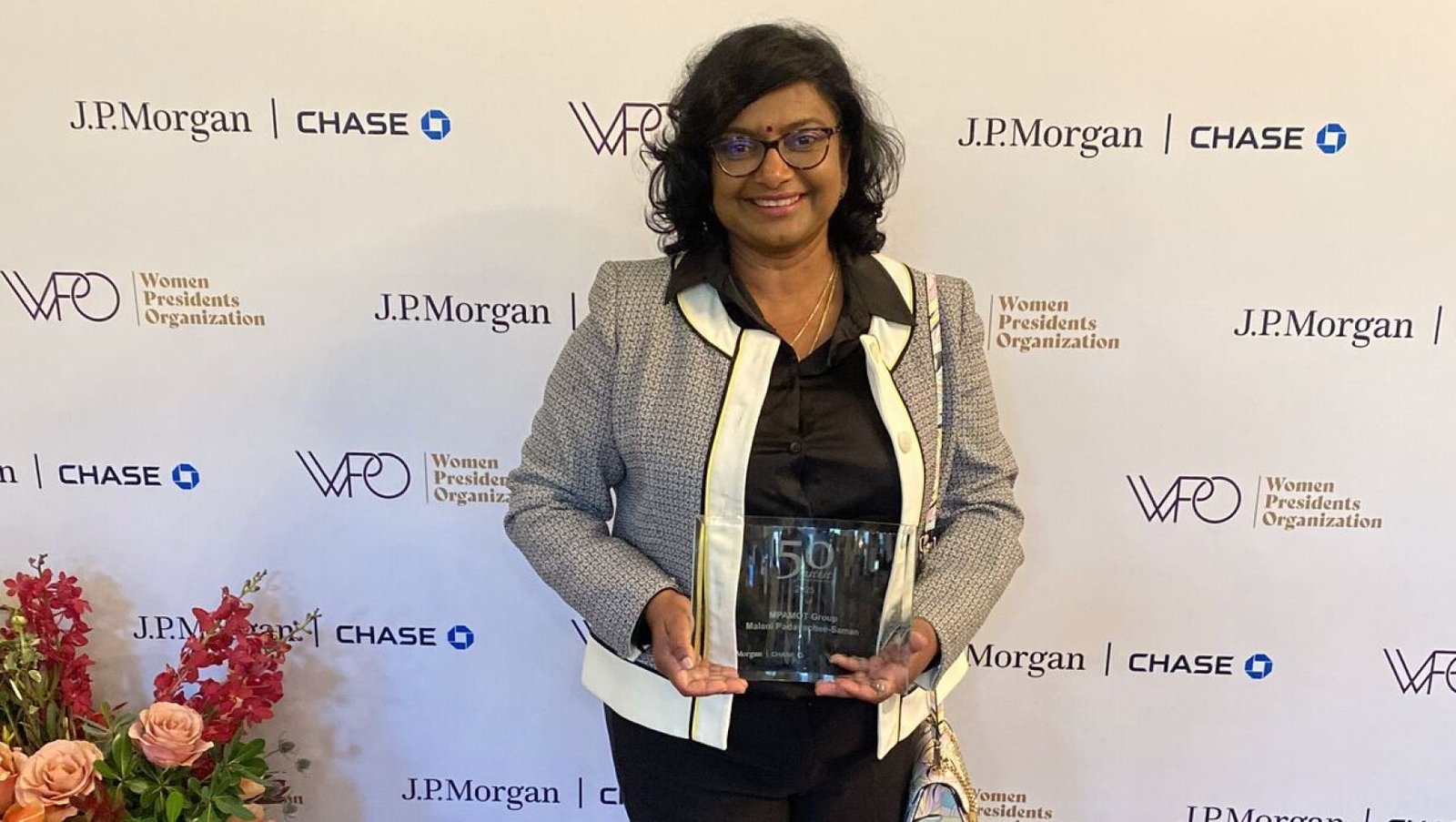
Sustainable infrastructure development in Africa depends on regional integration supported by a sound regulatory framework, says engineer Malani Padayachie-Saman, founder and CEO of South Africa-based consultancy MPAMOT.
In an exclusive interview with ConstructAfrica, ConstructAfrica Industrial Advisory Board (CIAB) member Padayachi Samman said African governments should prioritize comprehensive regional integration, backed by solid master plans, and that lack of upstream investment is the “Achilles heel of many infrastructure initiatives.”
As one of the first professional female civil engineers in South Africa, one of Africa’s largest economies, Padayachie-Saman is deeply aware of the potential for growth in the continent’s construction and infrastructure industry, as well as the challenges that can hinder its transformation.
Her company MPAMOT is a joint venture between Malani Padayachie & Associates (MPA), which she founded more than 25 years ago, and Motsen Women Investments (Motsen), a fellow South African company. The team has acquired Mott MacDonald Africa, the South African subsidiary of UK-based consultancy Mott MacDonald. MPAMOT is currently South Africa’s largest 100% black women-owned engineering and infrastructure development consultancy in terms of size and capacity.
“Our business is structured around five key portfolios: energy, power, infrastructure, advisory and transportation,” says Padayachie-Saman. “These portfolios enable us to deliver forward-looking, integrated solutions that not only meet technical specifications, but also are tailored to meet broader societal needs. We are more than just engineers, we are enablers of transformation through infrastructure and sustainable development.”
MPAMOT is involved in a variety of high-profile projects across southern, western and eastern Africa, one of its latest achievements being the US$724 million Redstone Concentrated Solar Power (CSP) project in South Africa, which began commercial operations in June.
According to contractor Power China, the Redstone project is sub-Saharan Africa’s first tower fused salt solar power plant and the largest investment project in South Africa’s Northern Cape. MPAMOT acted as the lender’s engineer and provided construction monitoring services with social safety protection experts, with particular attention to labor and employee compliance.
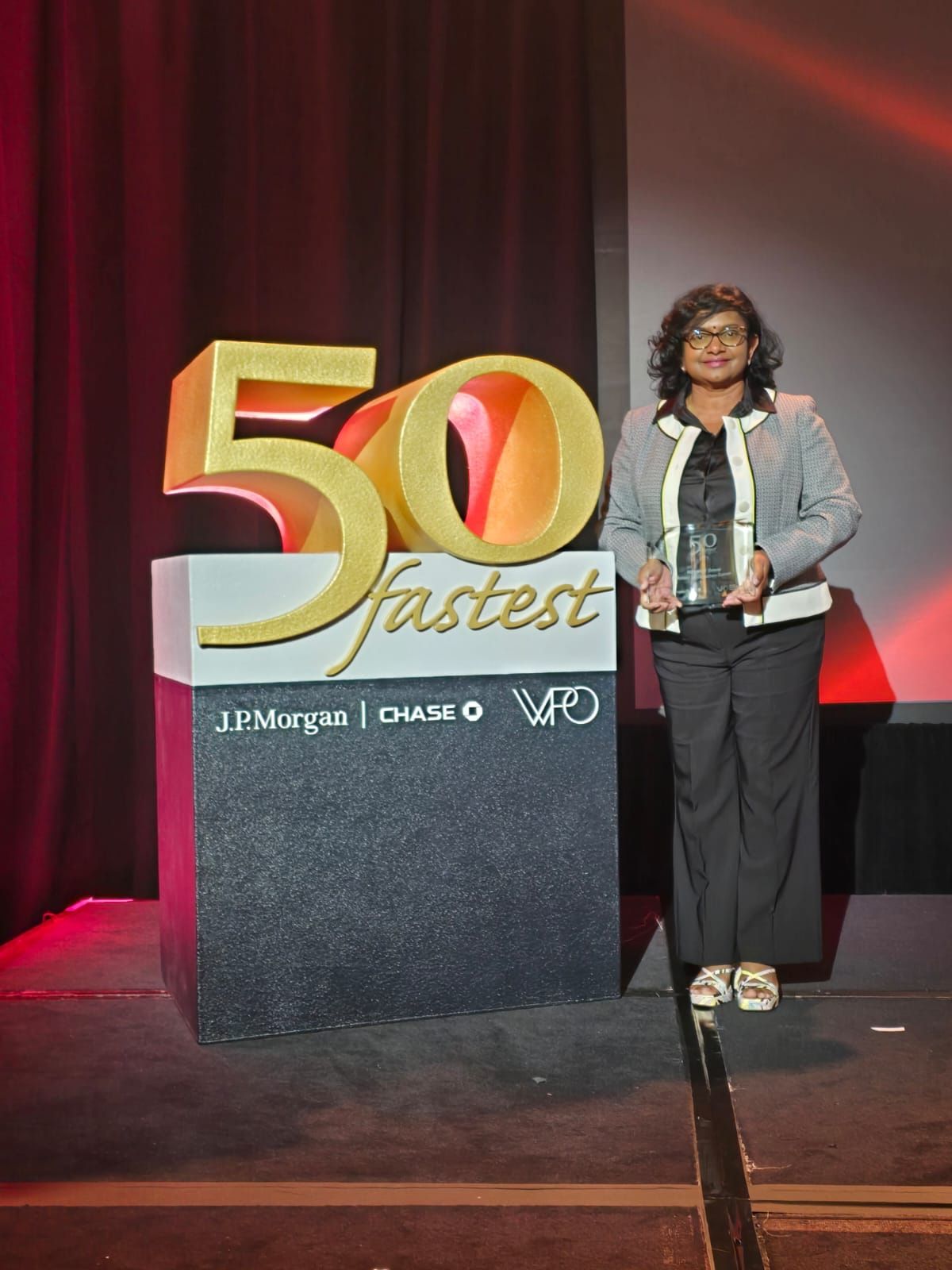
Last month, MPAMOT was recognized by the US-based Women Presidents Organization (WPO) and US bank JPMorgan Chase as one of the top 50 fastest-growing women-owned and led organizations in the world. The WPO said the certification aims to confirm the important role that women-owned and led businesses play in building a more sustainable and inclusive economy.
“This kind of recognition is not just about individual performance,” Padayachie-Saman said. “This represents a broader story about Africa’s entrepreneurial resilience. Operating within a constrained environment has instilled in us unique business acumen and tenacity. These qualities, when matched with access to capital and strategic partnerships, can dramatically accelerate Africa’s development trajectory.”
When it comes to filling the large funding gap for the continent’s infrastructure needs, estimated at between US$130 billion and US$170 billion annually, Padayachie-Saman says public-private partnerships (PPPs) offer a viable path forward, as long as they are designed with multidimensional objectives beyond mere economic benefits.
“Traditional delivery models cannot cope with the scale and complexity of Africa’s needs,” she says. “Upfront investment is required to rigorously scope the project and build the necessary organizational capacity.
“PPPs have the potential to unwind critical infrastructure, but only if risks are effectively identified and mitigated from the outset. It is essential that such models consider the broader ecosystem and connect low-income beneficiaries to economic hubs that enable upward mobility. These partnerships must include measurable social, economic and environmental outcomes, particularly in rural and underdeveloped areas.”
In addition, more funding needs to be allocated to scoping early-stage projects so that experts can model complex delivery frameworks, Padayachie-Saman said. “Through (MPAMOT’s) advisory portfolio, we support financial products that take into account long-term and often intangible outcomes, such as job creation, technology transfer and regional economic integration.”
Padayachie-Saman says cross-continental cooperation with developed countries through knowledge transfer and long-term technical assistance is also critical to filling Africa’s infrastructure gaps. “This approach ensures sustainable and high-impact outcomes across all five (MPAMOT) portfolios.”
The continent’s demographics are seen as another potential factor that could significantly change its growth potential. “Africa’s young population is perhaps its most promising asset, positioning the continent as a global hub for construction and engineering talent,” Padayachie-Saman said.
“By investing in the development of technical skills through secondments and international cooperation, we can develop a globally competitive generation.[MPAMOT’s]Transport and Advisory portfolio is already actively exploring ways to make these cross-border learning opportunities beneficial to developed and developing countries alike.”
But Africa must be positioned not only as a source of talent, but also as a training ground for solving resource-constrained and complex challenges, providing experience that enriches both local and international practitioners, she added.
From a more creative perspective, Padayachie-Saman believes that Africa’s extraordinary biodiversity provides endless inspiration for innovative engineering solutions.
“Personally, I am fascinated by biomimicry (the art of learning from nature’s design) and believe that further investment in research and development in this field is essential,” she says. “This could unlock untapped potential for sustainable solutions in both the energy and infrastructure sectors.”
Regarding South Africa’s construction and engineering industry, Padayachie-Saman points to silver linings as well as systemic challenges facing the sector, namely skills shortages and aggressive rate discounting.
“Skills shortages are multidimensional,” she says. “On the one hand, we are actively engaging with educational institutions to attract young talent to engineering. However, many graduates are absorbed into fields unrelated to their training, creating leaks in the professional pipeline. Policy interventions that require a minimum tenure in the profession after graduation could help stem this trend.”
“Secondly, our graduates are in high demand around the world. This is evidence of the quality of our engineering education, but it also means we are losing important skills domestically.
“Fee discounts in the South African context further exacerbate the problem. Reduced margins limit reinvestment in training and development. Regulatory reform is essential to restore the value of professional services. Additionally, enabling policies that promote gender inclusion, in line with the (United Nations) Sustainable Development Goals (SDGs), need to be embedded across the continent.”
Padayachee-Saman also highlighted the impact of project suspension on South Africa’s construction and engineering sector. “Our industry is increasingly challenged by project disruptions, especially outages that lead to delays and cost overruns,” she says. “These have serious knock-on effects, especially for low-income regions that suffer from reduced market access and rising transport costs.[MPAMOT’s]transport and infrastructure portfolio is keenly aware of this inequity.”
“Another persistent challenge is the lack of accessible project preparation funding. Without upfront investment in feasibility studies, many promising concepts remain on the table. We are advocating a model where built environment professionals have commensurate capital for downstream implementation and can participate in early-stage risks. This will realign incentives and accelerate project execution.”
“Public infrastructure is also deteriorating due to municipal capacity issues and deferred maintenance. The transition to newer, more efficient technologies requires not only capital, but also systematic training to support implementation, especially in (MPAMOT’s) power and energy portfolio. Change management and worker engagement are important elements that are often overlooked in the implementation of advanced systems.”
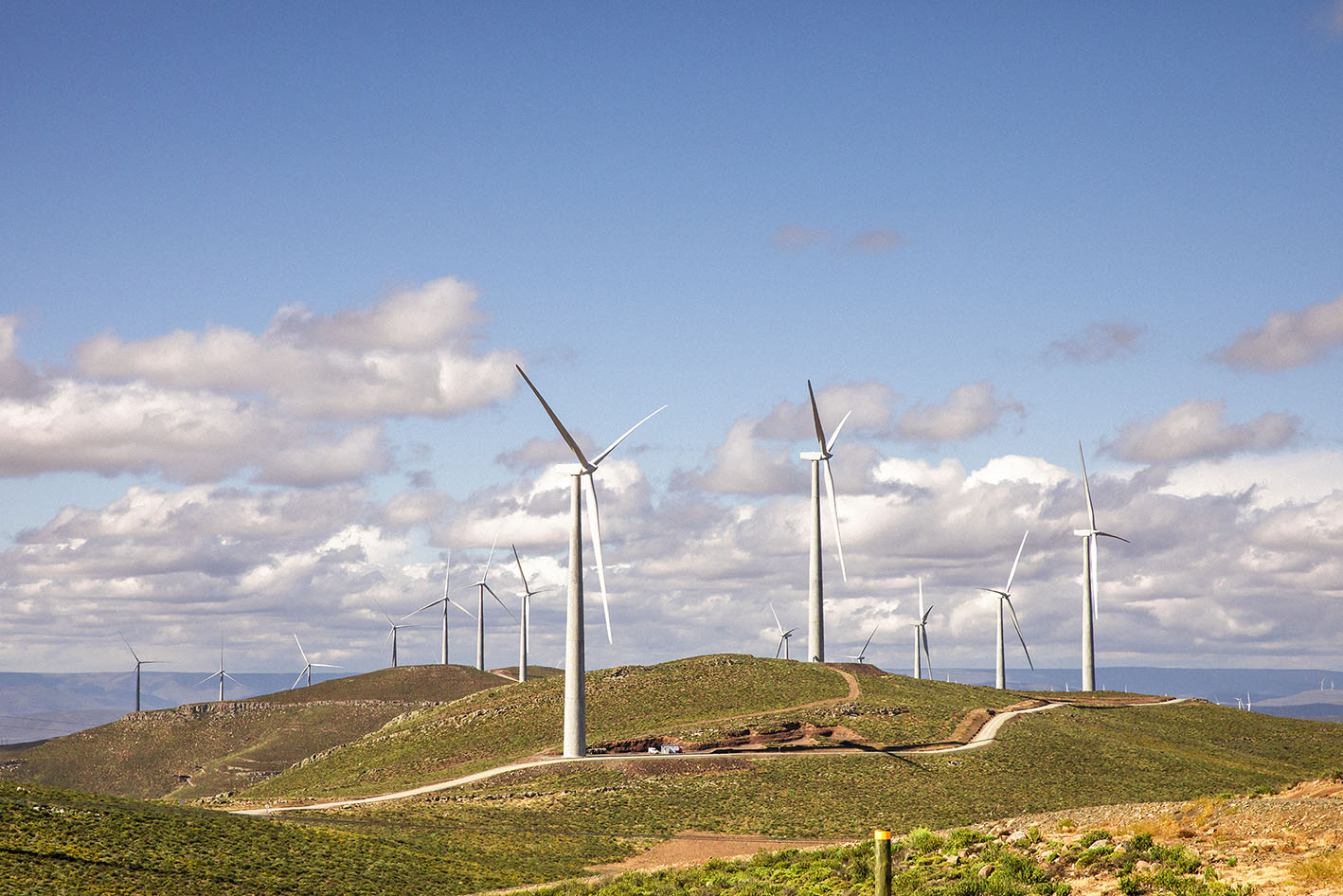
MPAMOT is working on a variety of renewable energy projects in South Africa, and Padayachie-Saman says that while the country’s Just Energy Transition (JET) initiative provides an enabling framework for renewable energy expansion, localization of skills remains a top priority.
“We cannot rely on outside expertise in such a critical area,” she says. “As well, we must consider the socio-economic impacts on communities as we move away from fossil fuels. Education, starting from early childhood development and continuing through professional education, is the most sustainable way to future-proof these regions. In doing so, we not only drive the energy transition, but also address the pressures of urbanization and strain on infrastructure by creating opportunities where people already live.”
Regarding MPAMOT’s expansion plans, Padayachie-Saman said the main focus remains the Southern African Development Community (SADC) region, where the company has already secured strategic projects. “But we are also exploring opportunities in West and East Africa,” she says.
“Our goal is to unlock Africa’s potential through meaningful collaborations with local partners and global companies. Our advisory and infrastructure portfolio is committed to masterplanning and long-term value creation, ensuring that every project, from shopping centers to transport hubs, adapts to broader socio-economic priorities.”
On the role that ConstructAfrica and the media can play in improving Africa’s construction industry, Padayachie-Saman said the media has a unique opportunity to amplify underrepresented voices in the built environment, especially women’s voices.
“Purposeful visibility campaigns can help drive both attraction and retention, and enable more diverse and inclusive engineering solutions,” she opines.
“Second, it is critical to elevate the status and importance of master planning and project scoping, (and) even more importantly to support and influence built environment professionals to ensure that ‘shovel-ready’ projects are truly shovel-ready. , serious efforts are needed to ensure that experts are engaged in scoping and project implementation within the planned period. Financial support for upfront work is essential and financial institutions must create means to address gaps prior to a bankable feasibility study.”
Top photo: Eng Malani Padayachee-Saman (Source: LinkedIn @ Eng Malani)
