Close Menu
Xsum NewsXsum News

    Stay Updated.

    Get the latest Africa-focused business & infrastructure news and more directly to your inbox.

    What's Hot

    AfDB dialogue highlights justice as key to women’s economic empowerment

    IFC’s new gas project will destroy Africa – Mail & Guardian

    ‘Invasive’ AI-driven mass surveillance in Africa violates freedoms, experts warn Global

    Facebook X (Twitter) Instagram
    Trending
    • AfDB dialogue highlights justice as key to women’s economic empowerment
    • IFC’s new gas project will destroy Africa – Mail & Guardian
    • ‘Invasive’ AI-driven mass surveillance in Africa violates freedoms, experts warn Global
    • ZAE000155884) South African cement market faces headwinds amid economic downturn
    • World oil market soars due to Iran conflict, Africa faces soaring fuel prices
    • 15 African health innovators selected for African Development Bank-supported FAPA program
    • Turning Africa’s mineral wealth into jobs and industry – The Mail & Guardian
    • Bonkungu and Nassa clash over Total Energy Burkina assets
    X (Twitter) Instagram YouTube LinkedIn TikTok
    Xsum NewsXsum News
    • African Development Bank
    • Africa Finance Corporation
    • All Africa – Construction & Infrastructure
    • Africa Intelligence
    • Construct Africa
    • More
      • Mining Review Africa
      • Energy Capital Power
      • Sustainability & Climate-Resilient Infrastructure
      • Private-Sector Infrastructure Players
      • Urban Development & Housing
    Xsum NewsXsum News
    You are at:Home»Africa Intelligence»‘Invasive’ AI-driven mass surveillance in Africa violates freedoms, experts warn Global
    Africa Intelligence

    ‘Invasive’ AI-driven mass surveillance in Africa violates freedoms, experts warn Global

    Xsum NewsBy Xsum NewsMarch 14, 2026No Comments3 Mins Read0 Views
    Facebook Twitter Pinterest Telegram LinkedIn Tumblr Email Reddit
    Share
    Facebook Twitter LinkedIn Pinterest WhatsApp Email

    The rapid expansion of AI-powered mass surveillance systems across Africa is violating people’s right to privacy and having a chilling effect on society, according to human rights and emerging technology experts.

    Eleven African governments are spending at least $2bn (£1.5bn) on Chinese-made surveillance technology that recognizes faces and monitors movements, according to a new report from the Institute for Development Studies, warning that national security is being used to justify introducing these systems with little regulation.

    Chinese companies often sell the technology in packages that include CCTV systems, facial recognition, biometric data collection and cameras that track vehicle movements, and are presented as a tool for rapidly urbanizing countries to modernize their cities and reduce crime.

    But researchers from the African Digital Rights Network, who co-authored the report, said there was no real evidence that these systems reduce crime and warned that they allow governments to surveil human rights defenders and political opponents, arrest protesters, and lead journalists to self-censorship.

    “This massive and invasive AI-enabled surveillance of public spaces is not ‘lawful, necessary or proportionate’ to the legitimate purpose of providing security,” said Wairagala Wakabi, executive director of Kampala-based policy organization Sipesa and co-author of the report. “History shows that it is the latest tool used by governments to violate people’s privacy and suppress freedom of movement and expression.”

    Nigeria is the biggest spender on infrastructure, having invested $470 million in 10,000 smart cameras by last year. There are 6,000 such units in Egypt, and approximately 5,000 each in Algeria and Uganda.

    The 11 countries spent an average of $240 million, with investments often financed by loans from Chinese banks.

    The report highlights the lack of regulation or legal framework around the storage and use of personal data as a concern given the rapid adoption of this technology, but Georgetown University assistant professor Bulelani Jiri said even introducing legislation could be dangerous.

    Surveillance of online activity is often used to crack down on dissent and is legalized by laws that criminalize online postings by ordinary people. Giri said focusing on introducing legislation could only allow the government to claim that the system was justified.

    “The real challenge is therefore not simply whether surveillance will be regulated, but how societies will negotiate the balance between security, accountability, and civil liberties once these technologies become deeply institutionalized,” he said.

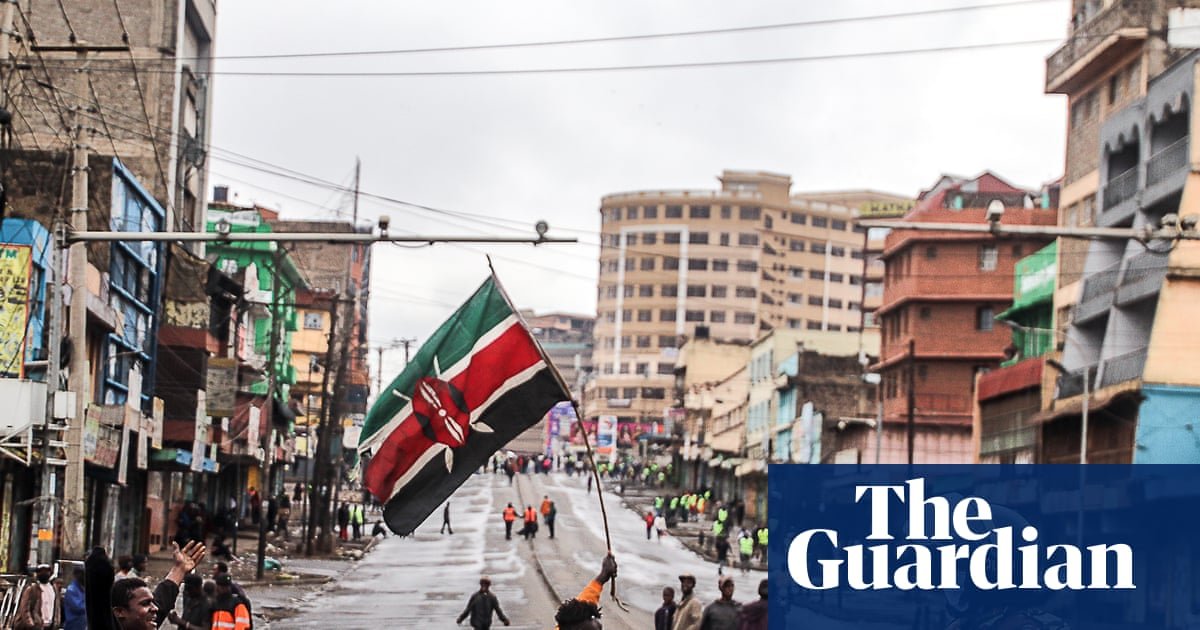
    He said there were already concerns that facial recognition was being used to surveil activists in Uganda, and that surveillance systems were being used to suppress Gen Z-led protests in Kenya.

    He warned that this could pose a risk to anyone seen as a threat to the government in the future.

    “When these technologies are integrated into policing and intelligence operations, historically marginalized communities, political activists, journalists, and minorities can be disproportionately affected,” Giri said.

    Yosseur Jouini, who wrote the report’s section on Algeria, said these systems were initially introduced in the context of “smart city” projects that promised to fight crime and manage traffic, but in reality they were often primarily tools for security forces.

    “This narrative is framed solely through the lens of security, ignoring other concerns and not providing sufficient mechanisms for citizens to ensure their rights are protected,” she said.

    She highlighted how street protests in 2019 and 2021 played an important role in political change, but stressed that expanding surveillance systems could deter people from protesting in the future.

    “We know that a number of protesters have been arrested when they have participated in public gatherings. We’re not sure if it’s on camera or not, but it’s had a chilling effect on people’s willingness to attend public gatherings, because that can happen.”

    This article was amended on March 13, 2026 to remove the image.

    Africa AIdriven Experts freedoms Global Invasive mass Surveillance violates warn
    Share. Facebook Twitter Pinterest LinkedIn Reddit WhatsApp Telegram Email
    Previous ArticleZAE000155884) South African cement market faces headwinds amid economic downturn
    Next Article IFC’s new gas project will destroy Africa – Mail & Guardian
    Xsum News
    • Website

    Related Posts

    IFC’s new gas project will destroy Africa – Mail & Guardian

    March 14, 2026

    World oil market soars due to Iran conflict, Africa faces soaring fuel prices

    March 14, 2026

    Bonkungu and Nassa clash over Total Energy Burkina assets

    March 14, 2026
    Leave A Reply Cancel Reply

    Top Posts

    African Development Bank Group and Nedbank Group sign multi-billion rand funding partnership to transform housing access and boost African trade

    December 19, 202529 Views

    A United Continent on the Move: Ambassador Kouyateh’s Call for an African Logistics Renaissance

    November 20, 202529 Views

    Eni secures multi-million dollar loan for African FLNG project

    January 26, 202622 Views

    African Development Fund and WHO collaborate to save Sudan’s health system

    November 17, 202521 Views
    Don't Miss
    African Development Bank March 14, 2026

    AfDB dialogue highlights justice as key to women’s economic empowerment

    The African Development Bank Group (AfDB) held a high-level dialogue to commemorate International Women’s Day…

    IFC’s new gas project will destroy Africa – Mail & Guardian

    ‘Invasive’ AI-driven mass surveillance in Africa violates freedoms, experts warn Global

    ZAE000155884) South African cement market faces headwinds amid economic downturn

    Stay In Touch
    • Twitter
    • Instagram
    • YouTube
    • LinkedIn
    • TikTok

    Stay Updated.

    Get the latest Africa-focused business & infrastructure news and more directly to your inbox.

    About Us
    About Us

    Xsum News is Africa’s digital window into the future of business. We tell stories of innovation, enterprise, and investment that are shaping the continent’s economic rise. African Business, Added Up.

    X (Twitter) Instagram YouTube LinkedIn TikTok
    Our Picks

    AfDB dialogue highlights justice as key to women’s economic empowerment

    IFC’s new gas project will destroy Africa – Mail & Guardian

    ‘Invasive’ AI-driven mass surveillance in Africa violates freedoms, experts warn Global

    Most Popular

    African Development Bank praises Algeria’s development model, aims to replicate its success across the continent

    Considering the redefinition of African capital by UBA and Arauba

    G20 Energy Investment Forum brings together Africa’s top finance, insurance and technology leaders

    © 2026 Xsum News. All Rights Reserved.
    • 🌍 About Xsum News
    • 📬 Contact us
    • Privacy Policy
    • Terms & Conditions
    • Disclaimer

    Type above and press Enter to search. Press Esc to cancel.