


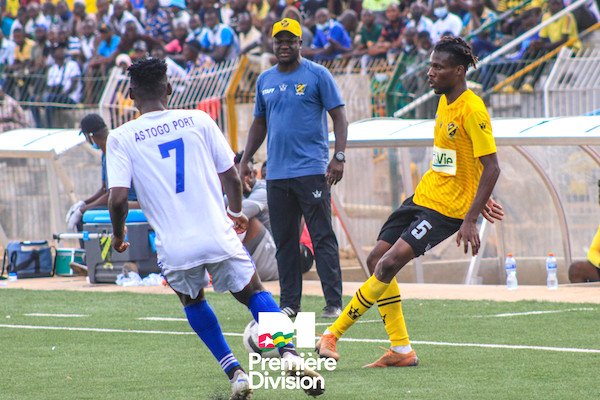
The first project started in 2022. Four years later, what actually happened? This is a question that has puzzled us ever since the official announcement of the creation of the Togo Professional Football League.
Big announcement without big action
The professionalization of soccer in a country is not done by statute. Specialization is the culmination of the actual work done upstream. Among others, the creation of sports infrastructure, the adoption of FIFA standards in the operation of the league, the definition of legal, financial and sporting frameworks, the training of coaches, requirements for clubs (youth teams, women’s teams, football academies), etc.… This list is not exhaustive. Unfortunately, despite the big announcement, nothing of the sort is in sight, even nine months before the start of this professional championship.
On the occasion of the creation of the Pro League, FTF President Guy Akpovi, as always, once again made a great announcement in what appears to be a true leap into the unknown.
“The process that brings us together today is the culmination of efforts that began several years ago. Since the first consideration of professionalization in 2022, the Ministry of Sport and Leisure and the FTF Executive Committee, with the support of experts, have worked tirelessly to redefine a legally, technically and economically viable framework. Togo’s professional football league is not the business of one person or office. It will be something we do collectively.”
he said.
The big challenge remains infrastructure. Togo currently has almost no stadiums for the 14 clubs in the first division. In the capital, Lomé’s municipal stadium is overused. This is one of many other examples. A very important aspect of the specialization process that is currently failing. Due to the current lack of infrastructure, Togolese journalist David Asimadi is reluctant to pursue professionalization projects.
“It is good a priori that today Togolese football is moving towards professionalization. However, there are questions related to the preconditions that need to be completed before participating in the professionalization phase. The first preconditions are related to the construction of infrastructure. Currently there is little infrastructure for organizing professional football competitions, including the elite championship, but within a few months this professionalization should enter a practical phase. This raises questions. 6, 7 or 8 Because within a month, a certain number of infrastructures will need to be assembled to a given standard. It is possible, but in practice there are still doubts.
he said.
70 million CFA francs from the country is far from sustainable
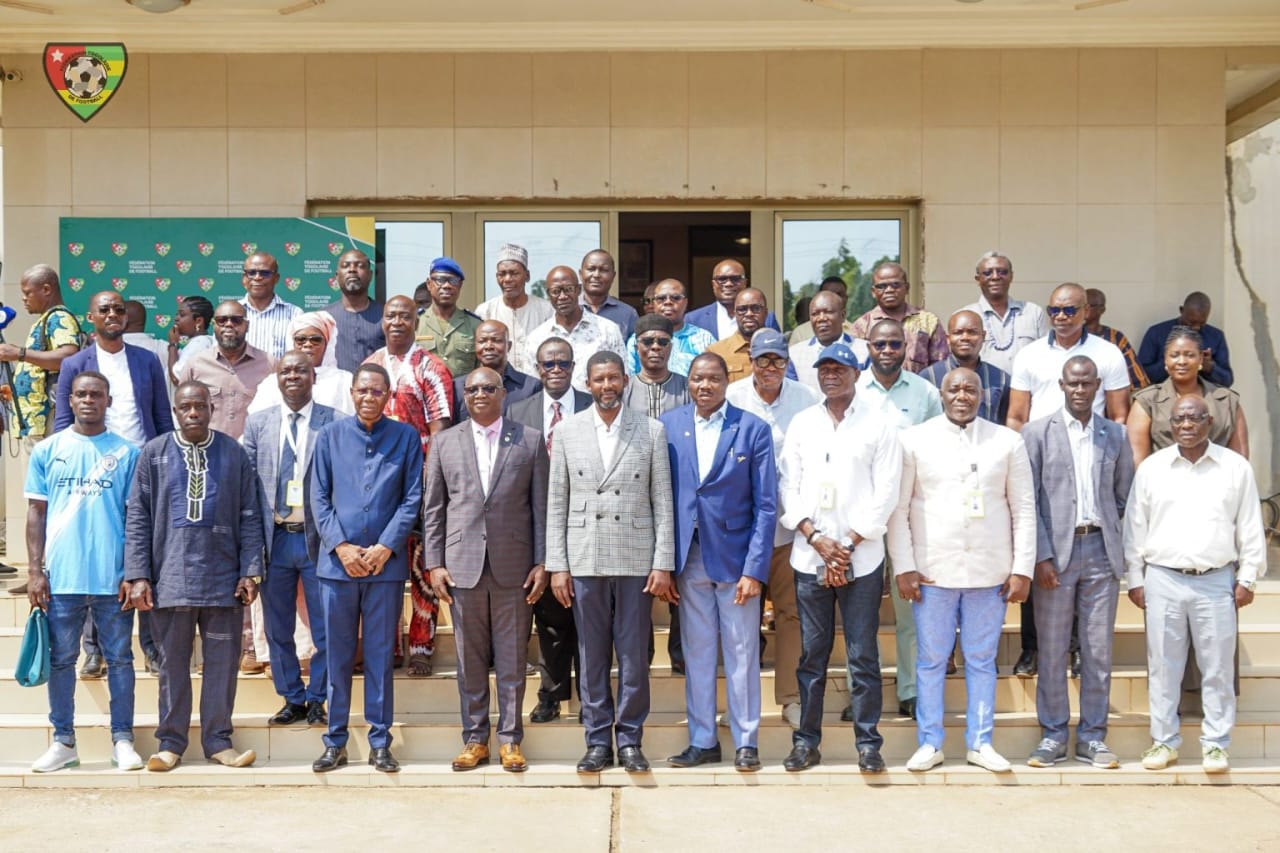
Facts are sacred. The current championship is subsidized by the state, amounting to 10 million CFA francs per club. The Togolese nation is clearly having difficulty fulfilling its commitments to first-division clubs. Regarding the Professional Championship, state support of 70 million CFA francs per club has been announced. Will this promise be kept? That’s the big question.
“Perhaps Togo has discovered deposits that could significantly facilitate funding issues.”
David Asimadi also expressed concern about whether the Togolese state will be able to fulfill these commitments this time while avoiding suspicion.
“The second criterion, first of all, concerns the funding of the club by the state. That funding amounts to over $70 million. In recent times it has been difficult for clubs to raise even 10% of this amount. There is a financial windfall somewhere. Or has Togo fallen into a deposit that could significantly boost its funding issues? I continue to hope that the country, as a country in its sovereign role, will put its words into practice.”
he said.
Togolese journalist Dela Aite remains skeptical about the success of the professionalization project at this pace. Better yet, it draws parallels with Gabon’s painful failure a few years ago when the same method was adopted, and advises semi-professionalization to assess different contours. He advocates progressive methods.
