Close Menu
Xsum NewsXsum News

    Stay Updated.

    Get the latest Africa-focused business & infrastructure news and more directly to your inbox.

    What's Hot

    Africa risks losing $415 billion a year without sustainable finance

    Breaking down barriers to private sector investment to build resilience on West Africa’s coasts

    Cape Verde secures €17.7 million from African Development Bank, what digital transformation plan actually means for Africa’s future

    Facebook X (Twitter) Instagram
    Trending
    • Africa risks losing $415 billion a year without sustainable finance
    • Breaking down barriers to private sector investment to build resilience on West Africa’s coasts
    • Cape Verde secures €17.7 million from African Development Bank, what digital transformation plan actually means for Africa’s future
    • FG Gold, AFC and Afreximbank close on USD 330 million senior debt financing for Baomafun Gold Project — TradingView
    • Africa needs to build its own cybersecurity intelligence, Tisel CEO says at AfriTech 5.0 – Nigerian CommunicationWeek
    • SA construction comes roaring back: 10% jump signals sector revival
    • Comoros to win subsidy from AfDB for geothermal project
    • Gabon strengthens regional energy profile with minister’s participation in MSGBC 2025
    X (Twitter) Instagram YouTube LinkedIn TikTok
    Xsum NewsXsum News
    • African Development Bank
    • Africa Finance Corporation
    • All Africa – Construction & Infrastructure
    • Africa Intelligence
    • Construct Africa
    • More
      • Mining Review Africa
      • Energy Capital Power
      • Sustainability & Climate-Resilient Infrastructure
      • Private-Sector Infrastructure Players
      • Urban Development & Housing
    Xsum NewsXsum News
    You are at:Home»More»Energy Capital Power»Libya leverages foreign investment to advance reforms to close $37 billion infrastructure gap
    Energy Capital Power

    Libya leverages foreign investment to advance reforms to close $37 billion infrastructure gap

    Xsum NewsBy Xsum NewsNovember 17, 2025No Comments3 Mins Read0 Views
    Facebook Twitter Pinterest Telegram LinkedIn Tumblr Email Reddit
    Share
    Facebook Twitter LinkedIn Pinterest WhatsApp Email

    According to the African Development Bank, Libya faces an annual infrastructure financing shortfall of $37.2 billion (about 85.8% of GDP) needed to modernize its energy, water and transportation systems by 2030. Eliminating this deficit is critical not only for economic recovery but also to stabilize public finances, create jobs and enable the country to leverage its natural resources for long-term growth in line with the African Union’s Agenda 2063.

    Unlocking the potential of hydrocarbons

    With Africa’s largest proven oil reserves, Libya’s hydrocarbon sector is central to the country’s economic recovery. However, production is limited by aging fields, undeveloped basins, and outdated infrastructure. Current estimates suggest an investment of $3 billion to $4 billion will be required to increase production to 1.6 million barrels per day, with a long-term goal of 2 million barrels per day within three years.

    Investments will target pipelines, storage facilities and refineries such as Zawiya, increasing efficiency, expanding export capacity and generating revenues that can fund broader infrastructure projects. Reliable power and water systems that support oil operations will also strengthen the sector’s resilience. Without this investment, Libya risks leaving its oil potential untapped and missing out on important opportunities to stabilize its finances and secure its position as a regional energy supplier. For international partners, supporting Libya’s oil sector offers both commercial benefits and a strategic means to strengthen regional energy security.

    Developing energy that is resistant to climate change

    Libya’s energy strategy extends beyond hydrocarbons. With 3,200 hours of sunshine per year, high solar radiation and strong winds, the country is well-positioned to expand renewable energy. Expanding solar and wind power projects can diversify the energy mix, reduce operational risks and align Libya with global climate efforts.

    Some projects are already underway. Libya’s first 1MW solar power plant in Kufra was developed by Infinity in collaboration with Al Juf Free Zone and began operations in July 2025. TotalEnergies’ 500MW Sadada solar power project, in collaboration with General Electric Company and the Renewable Energy Agency, is expected to come online by the fourth quarter of 2025. These efforts are the first steps towards achieving Libya’s 4GW renewable energy goal. 2035 signals an even more resilient and sustainable energy system.

    Attracting investment through reform

    Recognizing that infrastructure financing cannot rely solely on oil revenues, Libya has introduced reforms to attract and diversify foreign investment. Decree No. 944 allows 100% foreign ownership in the oil and gas sector and provides tax incentives such as a five-year holiday and a 10% corporate tax rate. The Public-Private Partnerships Act 2024 provides a clear legal framework for joint ventures across energy, water and transport projects.

    These reforms are already generating momentum. Italian energy giant Eni has invested more than €8 billion in projects in Libya, and other global investors are also exploring partnerships across hydrocarbons and renewable energy. These measures are accelerating the modernization of energy infrastructure, economic recovery and integration into regional energy markets, transforming Libya from a high-risk market to a viable investment destination.

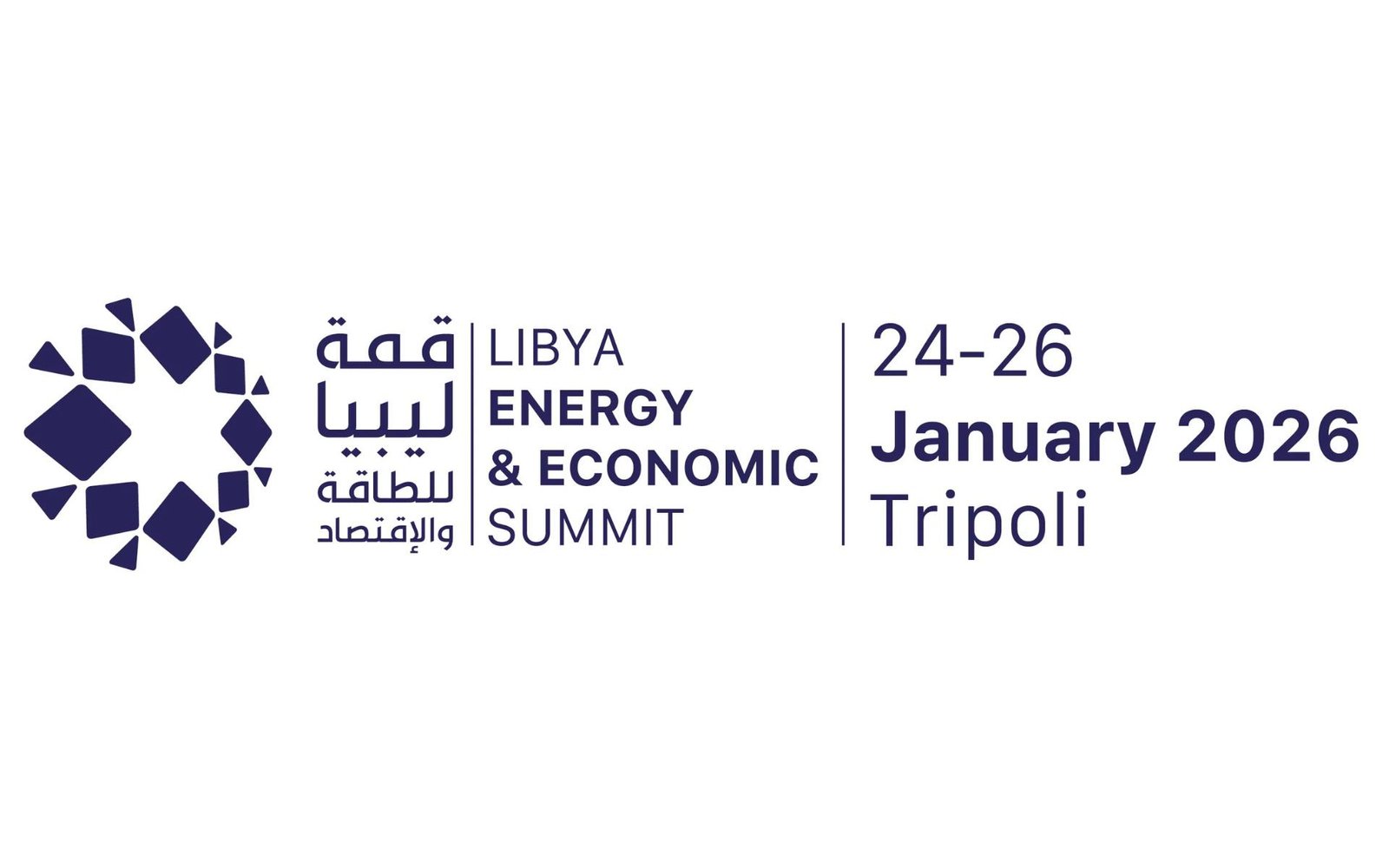
    The Libyan Energy and Economic Summit scheduled for January 24-26, 2026 in Tripoli will be the focus of these developments. Bringing together policy reforms, private capital and renewable energy initiatives, the summit is expected to spur further international investment, close Libya’s infrastructure gap and unlock its economic potential. Strategic spending on hydrocarbons, combined with climate-smart energy projects and investor-friendly reforms, could ultimately realize Libya’s vast economic potential while positioning it as an important regional energy hub.

    advance billion close foreign gap infrastructure Investment leverages Libya reforms
    Share. Facebook Twitter Pinterest LinkedIn Reddit WhatsApp Telegram Email
    Previous ArticleLessons learned from investing in resilient and resource-efficient urban development in Johannesburg
    Next Article Logistics and supply issues threaten construction in Africa
    Xsum News
    • Website

    Related Posts

    Africa risks losing $415 billion a year without sustainable finance

    December 6, 2025

    Breaking down barriers to private sector investment to build resilience on West Africa’s coasts

    December 6, 2025

    FG Gold, AFC and Afreximbank close on USD 330 million senior debt financing for Baomafun Gold Project — TradingView

    December 6, 2025
    Leave A Reply Cancel Reply

    Top Posts

    A United Continent on the Move: Ambassador Kouyateh’s Call for an African Logistics Renaissance

    November 20, 202527 Views

    2 Core infrastructure for African submarine cable completed China Mobile advances digital intelligence development in Africa

    November 20, 202512 Views

    LIBERIA’S DEVELOPMENT AGENDA GAINS GLOBAL ATTENTION

    November 18, 202511 Views

    Africa’s clean cooking drive depends on carbon credit reform and transport upgrades

    November 25, 202510 Views
    Don't Miss
    Sustainability & Climate-Resilient Infrastructure December 6, 2025

    Africa risks losing $415 billion a year without sustainable finance

    Unless sustainable financing sources are secured to improve infrastructure, particularly in the energy sector, Africa…

    Breaking down barriers to private sector investment to build resilience on West Africa’s coasts

    Cape Verde secures €17.7 million from African Development Bank, what digital transformation plan actually means for Africa’s future

    FG Gold, AFC and Afreximbank close on USD 330 million senior debt financing for Baomafun Gold Project — TradingView

    Stay In Touch
    • Twitter
    • Instagram
    • YouTube
    • LinkedIn
    • TikTok

    Stay Updated.

    Get the latest Africa-focused business & infrastructure news and more directly to your inbox.

    About Us
    About Us

    Xsum News is Africa’s digital window into the future of business. We tell stories of innovation, enterprise, and investment that are shaping the continent’s economic rise. African Business, Added Up.

    X (Twitter) Instagram YouTube LinkedIn TikTok
    Our Picks

    Africa risks losing $415 billion a year without sustainable finance

    Breaking down barriers to private sector investment to build resilience on West Africa’s coasts

    Cape Verde secures €17.7 million from African Development Bank, what digital transformation plan actually means for Africa’s future

    Most Popular

    African Development Bank praises Algeria’s development model, aims to replicate its success across the continent

    Considering the redefinition of African capital by UBA and Arauba

    G20 Energy Investment Forum brings together Africa’s top finance, insurance and technology leaders

    © 2025 Xsum News. All Rights Reserved.
    • 🌍 About Xsum News
    • 📬 Contact us
    • Privacy Policy
    • Terms & Conditions
    • Disclaimer

    Type above and press Enter to search. Press Esc to cancel.