


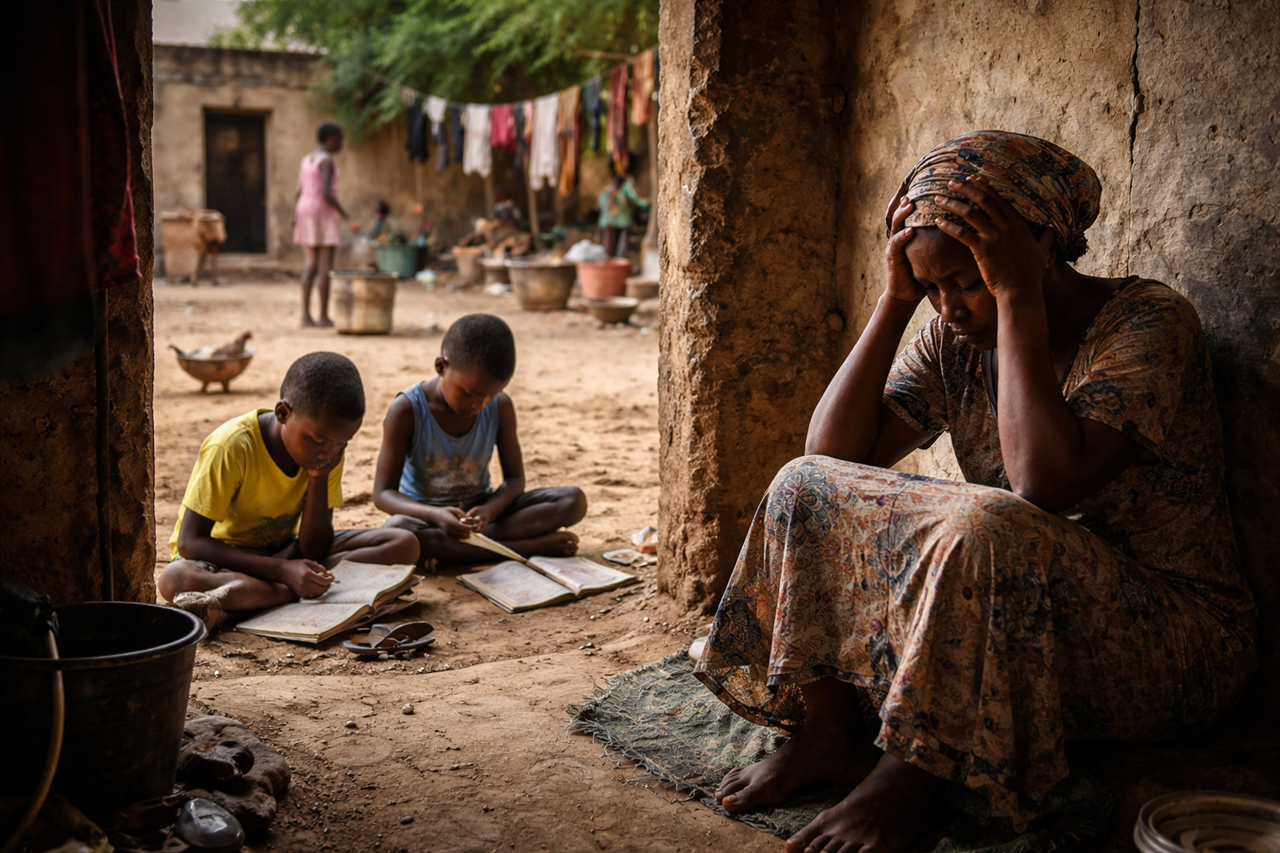
A new study by the African Development Bank and the UNESCO International Institute for Educational Planning has revealed how mental illness in the home quietly but powerfully affects the health and education of children in Senegal. Using data from the 2023 Demographic and Health Survey, Africa’s Economic Overview shows that mental illness is not just an individual struggle, but a development challenge that deeply impacts family life and generations. In a region where mental health has long been ignored in policy and data systems, our findings provide rare concrete evidence of how psychological distress within the family impacts children’s opportunities to grow, learn and thrive.
Why mental illness is more important than we think
Globally, mental health problems are prevalent and increasing. Nearly one billion people were living with a mental health disorder even before the COVID-19 pandemic, and the crisis has sharply worsened during and after the pandemic. More than 116 million people are already affected in Africa, while suicide rates remain higher than the global average. Despite this burden, mental illness is often underreported and undermeasured across the continent, leading to weak policy responses. The brief argues that this neglect is costly because mental illness does not affect individuals in isolation. This reshapes family relationships, depletes resources, and puts children at risk in ways that are rarely captured by traditional developmental indicators.
What Senegal’s data reveals about households
Senegal’s 2023 DHS provides a valuable opportunity to examine mental health at the household level. According to the survey, approximately 4.8 percent of households reported at least one person suffering from a mental illness at the time of the survey. In most cases, only one person is affected, but the causes cited by householders provide a broader picture of vulnerability. Stress, overwork, addiction, unstable living conditions, and strained family relationships have emerged as key contributing factors, highlighting how mental illness is not a standalone medical condition but is closely linked to economic pressures and social instability.
Children’s health and education suffer silently
The impact on children is clear and worrying. Among children under the age of five, children living in households with mental illness consistently have worse health outcomes. Height and weight measurements show that many children already face nutritional challenges, but the situation is even worse for families with mental illness. Rates of undernutrition are significantly higher and children in these families are much more likely to be underweight, a condition that can have lasting effects on physical and cognitive development.
Educational outcomes tell a similar story. Children between the ages of 6 and 18 in affected households complete fewer years of schooling on average. Even more concerning is that although schooling in Senegal is legally required until the age of 16, adolescents aged 14 to 18 are far less likely to have completed primary school. These disparities persist even after accounting for differences in wealth, location, and parental education, suggesting that mental illness in the household plays an independent role in holding children back.
How mental illness creates long-term risk
This brief describes some of the ways mental illness harms children. When adults work from home or are no longer able to contribute fully, household income decreases and resources are directed towards care and treatment. Children may receive less food, less medical care, and less support for school. In some cases, adolescents may leave school early to help their families. In addition to material hardship, children also face emotional and social stress such as stigma, shame, bullying, and isolation related to their parents’ conditions. Over time, these pressures will increase. Malnutrition and interrupted education increase the risk of reduced income, poor health and even mental illness in adulthood, creating a cycle that can trap families for generations.
Why mental health policy is child policy
The evidence from Senegal sends a clear message that investing in mental health is essential to protect children and promote their development. The brief calls for integrating mental health into national policies, social protection systems and data collection efforts. Expanding access to community-based mental health services, improving measurement, and supporting vulnerable children through nutrition and education programs are core strategies for reducing inequalities and building healthier societies, not add-ons. The report concludes that mental health is not just about treating illness, but also about protecting the future.
First release date: Developer talk
