


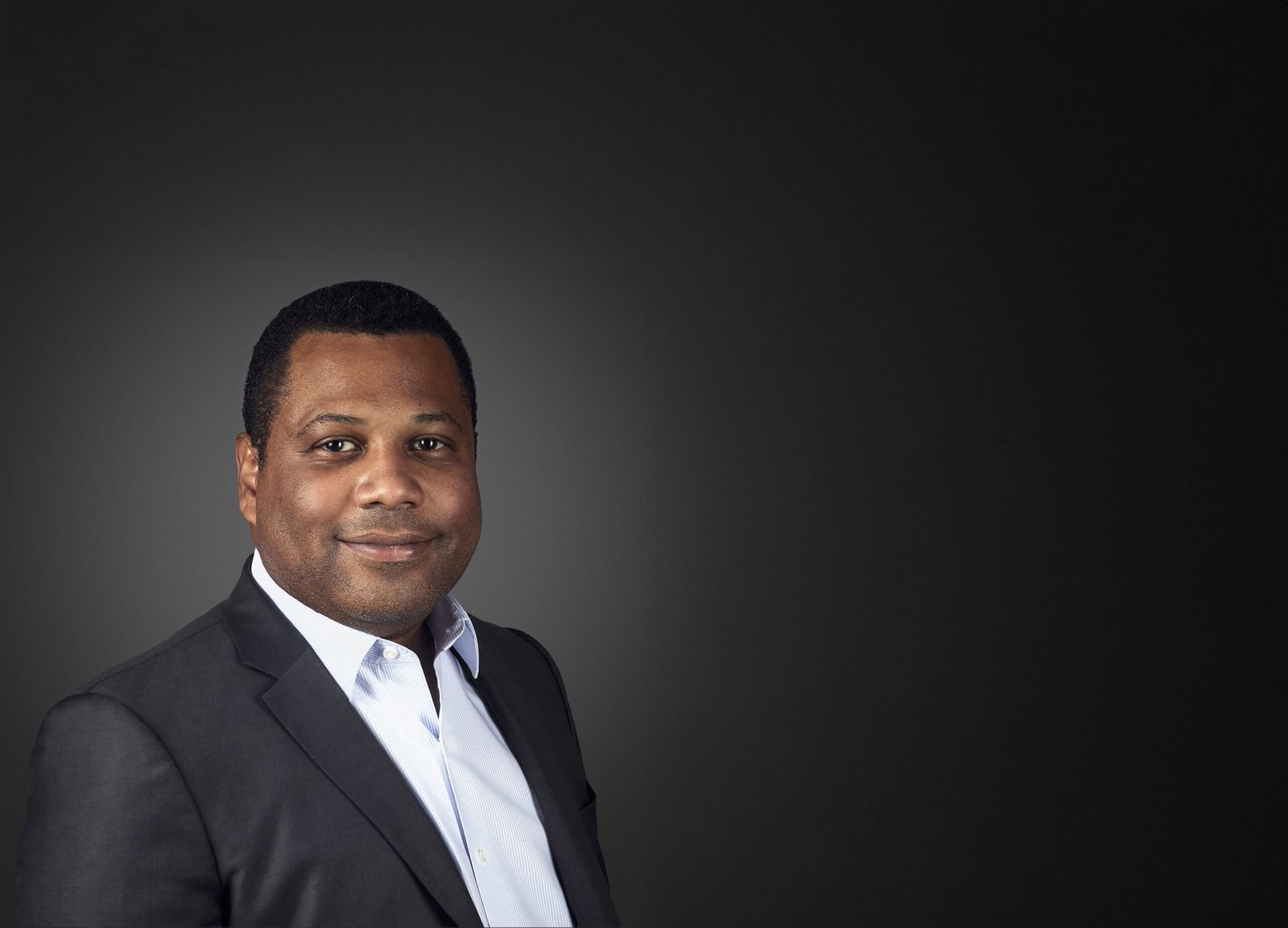
Thierry Daut, Chairman and Chief Executive Officer of Meridiam, founded the independent investment company in 20025 to develop, finance and manage long-term, sustainable infrastructure projects. The company, which currently has more than $20 billion in assets worldwide, has more than 120 projects under development, construction or operation. But much more can be done in Africa, Do tells Hishem Ben Yaish.
How would you explain your company’s rise?
Failure is easier to explain than success. Ours fit well with demand from both local residents and public authorities who were looking for new ways to partner and invest. The very foundation of Meridiam’s business model is its ability to make long-term commitments. The design of our projects, from the beginning until the moment of operation, is above all connected to public demand.
What areas do you cover and what infrastructure do you finance?
The company operates in three key areas: sustainable mobility, energy transition, low-carbon solutions that support the decarbonization of the public sector and industry, and human services, including education, healthcare and social infrastructure.
These are all important public services that, especially in regions such as Africa, require partnerships with people, governments and local authorities, and partnerships with multilateral and bilateral financial institutions to best realize projects.
What kind of projects are you developing from a strategic planning perspective?
First and foremost, focus on the areas of greatest need. The issue of essential services is our primary criterion. We don’t want to build infrastructure to please people; we want to build infrastructure to make an impact. In the field of “sustainable mobility”, for example, Dakar’s Bus Rapid Transit (BRT) system is having a major impact on people’s daily lives.
Where does the funding come from?
Our funds are regulated by the French financial market authority, AMF. Capital is regularly raised from institutional investors, including pension funds and insurance companies around the world, and development banks such as the European Investment Bank.
We have been investing in these funds for 25 years. During this period, we mobilize the necessary resources for the design and development of the project and sign contracts, especially concessions. and finance and manage the construction and operation of infrastructure.
How do you approach and work with funders?
They work with us on a project by project basis. We often work with certain donors because they have a strong presence in Africa. Multilateral and bilateral are financial partners that can provide long-term debt. This is important when working on a 20- or 30-year project. If you want to borrow in the local market, financial maturities are often between 5 and 7 years. This does not cover the infrastructure period. These financial institutions therefore play a very important role on the African continent as they enable long-term infrastructure financing.
How do you address skills issues to hire top talent?
Requires a wide range of skills. We employ many engineers who understand the relationship between finance, the environment, and the public sector. In general, we employ a lot of young people, often people who have left school, and we train them. In Africa, we focus on working with local Africans, both in our project companies and in our four offices across the continent.
You are currently in just 10 countries in Africa. How do you explain this, even though the continent has huge potential?
Well, we have already invested more than 5 billion euros there in just a few years. And we plan to double this amount in the near future, which is very important to us.
Above all, our actions are in response to a request from the government. Not all countries are ready for this kind of partnership. There are some countries, like Morocco and South Africa, where we don’t need support for skills development. We also need local as well as public skills who are used to managing long-term contracts.
This is why we funded the Foundation in collaboration with the French government and the European Investment Bank to develop skills. On the public sector side, there is another program called the African Infrastructure Fellowship Programme, which is dedicated to training African civil servants. It is designed to accelerate the implementation of infrastructure projects in Africa through training and capacity building, in partnership with governments, private companies, multilateral development banks, and national and international development agencies.
The program will equip participants with the knowledge they need to develop and implement infrastructure projects while integrating the Sustainable Development Goals. This program is available in both civil law and common law.
What makes you different from others?
We are a long-term player that holds the same high standards for economic as well as social and environmental benefits in every project, everywhere. Patience is our hallmark. Designing and financing a project takes time, and it can take seven to eight years for a project to begin. Not everyone has the necessary patience. Secondly, we have the skills and ability to interact with the public sector, so we can put ourselves in their shoes and work with them to define the best services and projects for our users.
As great geopolitical uncertainty weighs heavily on the global economy, how does Meridiam assess “risk”?
Our risk is counterparty risk. Geopolitical risk is omnipresent and is our primary long-term risk. When we focus on Africa, there is a difference between the perception seen from places like Paris and New York and the reality. Still, to convince investors, you need to have solutions to counter specific risks. We work systematically bilaterally and multilaterally to provide protection and insurance against political, economic and social risks and instability, as well as against breach of contract.
How is your group adapting to the realities of artificial intelligence and digital technology?
The advantage of the African continent is that it can quickly switch to these new technologies, such as the example of clean mobility with electric rapid transit buses in Dakar. The first of its kind in Africa. User services will be digitized and tickets will be available for purchase over the phone. Being there in the moment and building the best infrastructure also means providing access to the best technology.
As a major player in the private sector, what are your current ambitions in Africa?
For me, Africa remains a land of opportunity with long-term prospects. It is a continent with very important sectors and rapid population growth. The need for these essential services is extremely high. We therefore need to provide a more global response to developments on the continent. We need to focus on this aspect of development and investment and position ourselves for the long term to keep the continent’s risks in perspective.
Still, the aspects of crisis, war, conflict, political and institutional instability in certain regions cannot be ignored.
How do you factor these risks into your approach?
This is a risk that deserves special attention and we assume the risk of investing in a particular country. However, we try to protect ourselves from these risks by entering into insurance contracts with financial institutions such as the World Bank and MIGA (Multilateral Investment Guarantee Agency) insurance contracts.
How do you plan to achieve long-term results?
At Meridiam, embracing these values in terms of impact and public service is a very strong hiring criterion. From the beginning, we have focused on having a team with a high gender mix as well as a variety of nationalities. This gives us a very strong ability to listen and build relationships with different countries. Also, it gives us flexibility and adaptability. Even though we are global, it is easy to be local.
Our goal in Africa is to double our investments in the coming years, despite all obstacles to overcome. It’s possible. For our group, this means continuing to grow without losing the DNA we have cultivated over many years and providing essential services that change people’s lives.
