


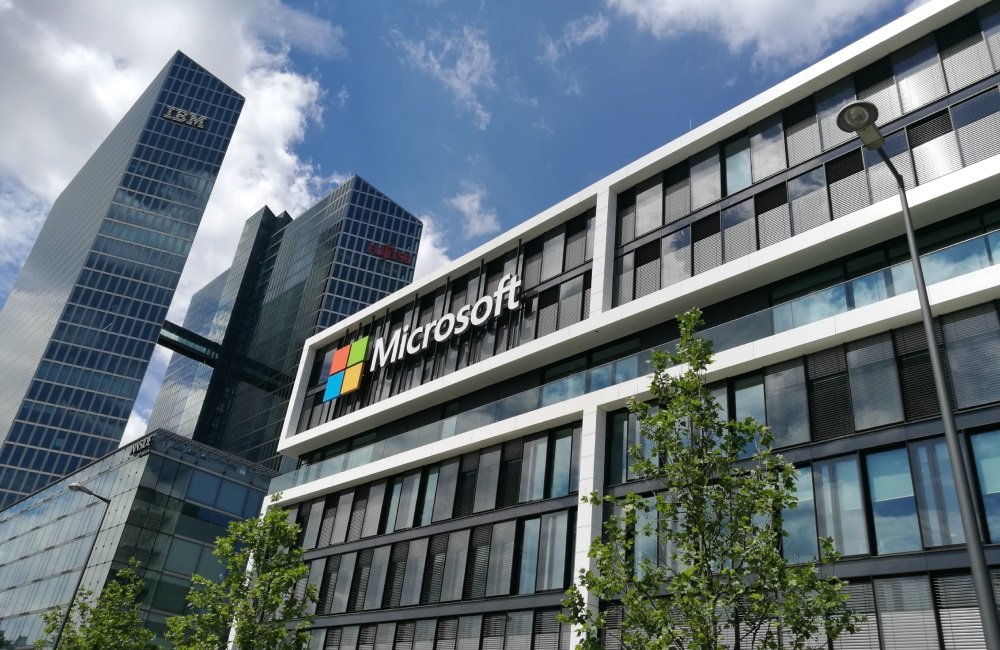
Microsoft announced a significant milestone in its global connectivity strategy, delivering internet access to more than 117 million people across Africa, ahead of its original 2025 goal. The announcement was made at the B20 South Africa Summit, where the company also unveiled a major partnership with the African Development Bank (AfDB) to launch a pan-African blended finance scheme aimed at providing digital tools and capital to agriculture-focused small and medium-sized enterprises (SMEs).
Speaking at the summit, Microsoft Chief Sustainability Officer Melanie Nakagawa emphasized that connectivity remains an essential foundation for AI adoption and inclusive digital growth. “Without access to the internet, the potential of technology remains out of reach. To participate meaningfully in this moment of transformation, we must equip people with the skills to use these digital tools,” she said.
For the first time, Microsoft has committed to increasing investments in connectivity, digital literacy, and AI readiness in Africa in 2022. Achieving the 117 million milestone reflects the success of Microsoft’s multi-tier partnership model, which involves internet service providers, middle-mile infrastructure providers, hardware manufacturers, local innovators, and multilateral institutions. This approach will help the company expand access, reduce infrastructure costs and strengthen local digital ecosystems in a sustainable manner.
The real-world impact of these partnerships is evident across the continent. In rural Kenya, connectivity provided by Mawing, Microsoft’s long-time partner in East Africa, enabled a clinic in Laikipia County to access video consultations with experts in Nairobi, improving outcomes in remote areas where medical expertise is limited. Mawingu also supports the digital upskilling of more than 50,000 farmers through Mastercard’s MADE Alliance, helping cooperatives use data-driven tools to improve yields and expand market access.
In South Africa, Microsoft continues to work with partners such as Ilitha, Liquid, and Cisco and community organizations to expand broadband access and build digital skills. Our partnership with M-KOPA gives more than 6 million people access to connected devices through an affordable pay-as-you-go financing model.
With connectivity goals achieved, Microsoft is now shifting its focus to the next frontier. It’s the combination of internet access and AI-enabled solutions that drive economic development, climate resilience, and job creation. Mr. Nakagawa emphasized that Africa must not be left behind as AI reshapes the global economy. “We are turning access into impact and connectivity into transformation,” she said.
As part of a new collaboration with AfDB, Microsoft announced a pan-African facility to mobilize long-term agricultural investment while equipping small and medium-sized enterprises with digital and AI-powered tools to scale up. The initiative aims to serve as a new blueprint for technology-enabled agricultural modernization by combining the financial leadership of the AfDB with the digital ecosystem capabilities of Microsoft.
Nakagawa concluded by calling on cross-sector partners to help scale these efforts, emphasizing the need for collective action to close the digital divide and unlock the opportunities of AI.
//Staff writer
