


Electricity demand across southern Africa is predicted to increase by 5% annually
Mozambique aims to increase power generation capacity to 6,500MW by 2030
Mozambique’s 100 trillion cubic feet of natural gas reserves offer opportunities to enhance power generation and contribution to the regional grid
Electricity demand across Southern Africa is growing by around 5% per year, increasing pressure on generation and transmission infrastructure within the Southern African Power Pool (SAPP). For example, South Africa, the largest consumer of SAPP, is expected to record demand growth from 243 TWh in 2024 to 264 TWh by 2030. Furthermore, the planned integration of SAPP and the East African Power Pool by the end of 2026 is expected to enable greater cross-border electricity trading, while also increasing pressure on regional grids already constrained by limited generation capacity and transmission bottlenecks. As a result, expanding power generation and transmission infrastructure for Eastern and Southern African markets is critical.
Impact of hydropower expansion and Mozambique on SAPP stability
With rising electricity demand and the urgent need to expand the grid, Mozambique, the largest electricity contributor to SAPP, is leveraging its vast hydropower potential and strategic investment partnerships to strengthen regional networks. The country is undertaking a series of projects aimed at increasing installed power generation capacity to approximately 6,500 MW by 2030, connecting an additional 5 million local households and strengthening its contribution to SAPP.
These projects include Mozambique’s Electricidade de Moçambique, Hidroeléctrica de Cahora Bassa, and the $4.5 billion Mfanda-Nukwa hydropower project, a 1,500MW facility being developed through a partnership between France’s EDF and TotalEnergies. As announced by project financier African Development Bank (AfDB) in mid-February, the plan, which is currently in the implementation stage, includes the development of approximately 1,300 kilometers of transmission lines that will allow electricity to be transmitted to national and regional grids.
“After working with the government to structure the deal, we now intend to use AfDB support to de-risk Mfanda Nkwa. Building on ADF-17’s mission to ‘unleash capital at scale’, we intend to secure a financing framework that positions Mozambique as an energy powerhouse in Southern Africa,” AfDB Country Manager Romulo Correa said in a press release.
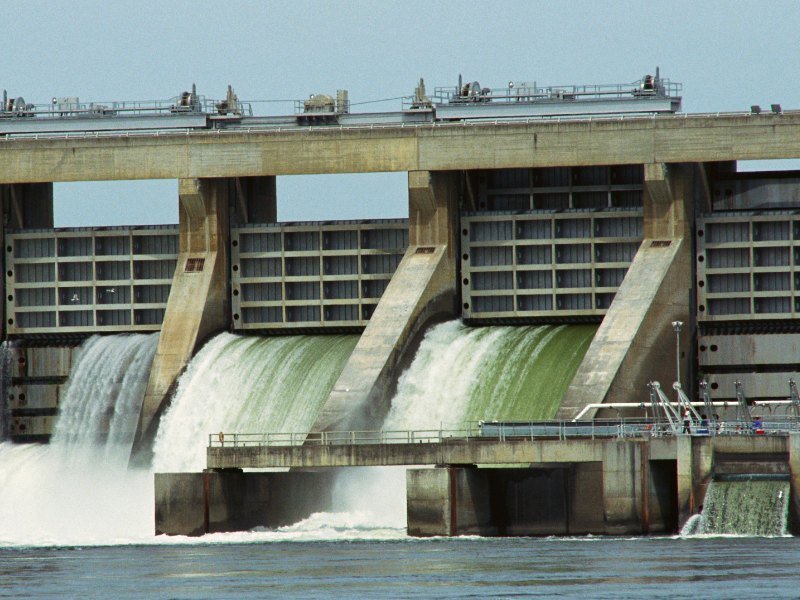
Mozambique is also strengthening its existing power generation infrastructure through the modernization and expansion of the Cahora Bassa hydroelectric power plant, which remains one of the region’s most important power assets. The facility currently supplies about half of Mozambique’s electricity and exports nearly two-thirds of its output to South Africa. In 2024 alone, Cahola Bassa generated more than 12,000 GWh of electricity, underscoring its central role in supporting regional energy security. The expansion plan, which will add a further 1,245 MW of capacity, is expected to further strengthen Mozambique’s ability to supply electricity to the regional market.
Investment in transmission infrastructure
In parallel to expanding power generation, Mozambique is investing heavily in transmission infrastructure to strengthen regional power integration and enable increased electricity exports. Key projects include the Mozambique-Zambia interconnector, a $313 million project consisting of two 400 kV transmission lines, and the Mozambique-Malawi interconnector, valued at $154 million. Mozambique is also moving ahead with the Temane transmission project, which will connect new generation capacity in gas-rich Inhambane province to key consumption centers and export markets. In addition, infrastructure investment firm Gridworks is developing the Chimuara-Nacala Transmission Line, the country’s first privately funded power transmission project, with financial support from the United States International Development Finance Corporation and the International Finance Corporation.
Mozambique’s missed gasoline supply opportunity
Despite Mozambique’s growing role as a regional electricity exporter, its vast natural gas reserves, estimated at over 100 trillion cubic feet, remain largely untapped to support national and regional electricity supply. Delays in gas power infrastructure development are constraining the country’s ability to make full use of this strategic resource.
The 450 MW Temane combined cycle gas-fired power plant, which began operation in 2025, represents an important step towards diversifying Mozambique’s power generation mix and improving supply reliability. However, development of large-scale gas projects, including the $20 billion Mozambique LNG initiative led by TotalEnergies, has been slower than expected, limiting gas-fired power capacity expansion. Additionally, much of Mozambique’s offshore gas production is currently focused on export markets, particularly shipping liquefied natural gas to international buyers, reducing the country’s ability to make full use of its gas resources to strengthen regional power supplies.
As electricity demand accelerates across Southern Africa, Mozambique’s concerted efforts to expand hydropower capacity, develop transmission infrastructure and accelerate gas power projects are critical to strengthening its contribution to SAPP and ensuring reliable power supplies across the region.
