


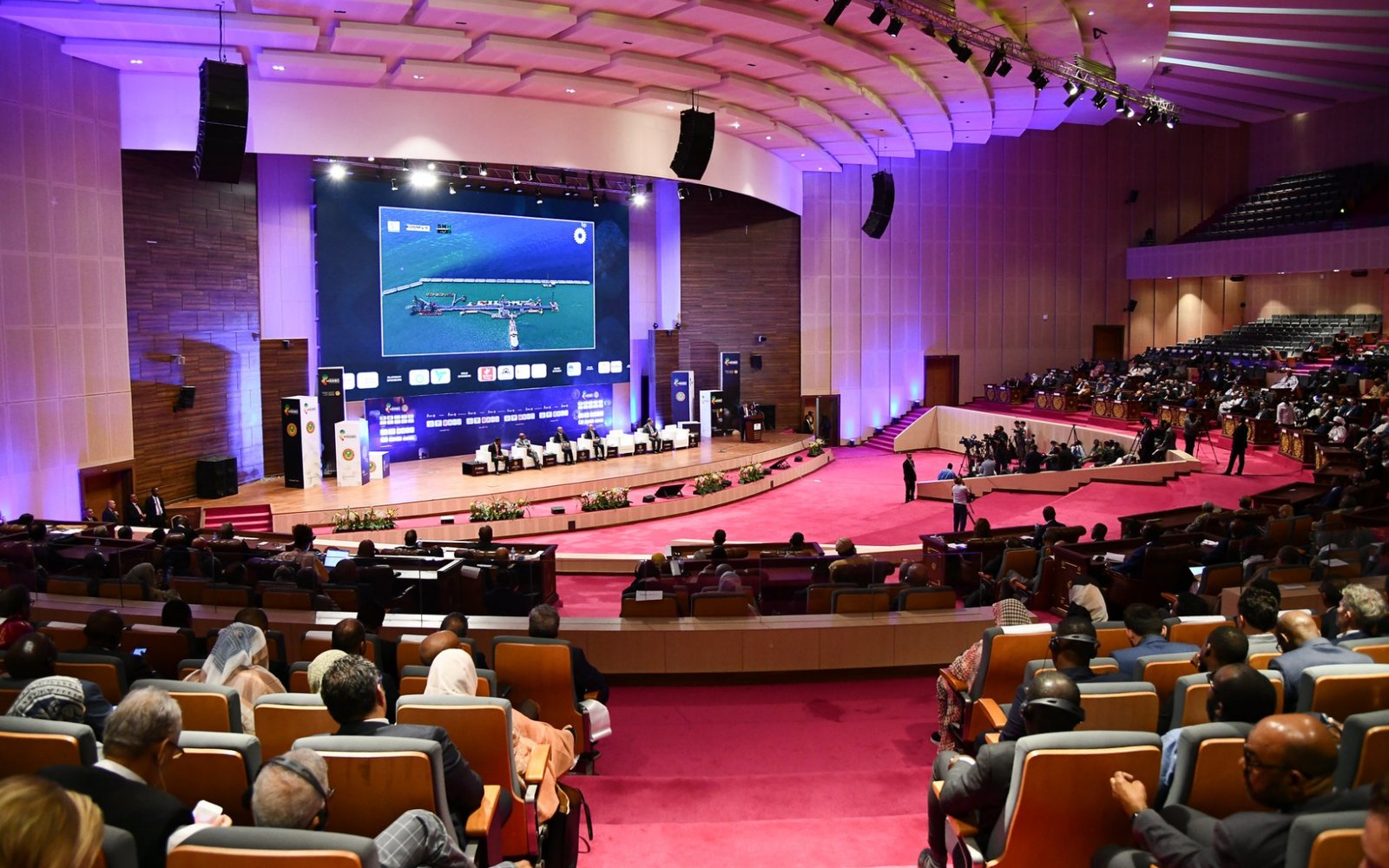
This year’s MSGBC Oil and Gas Power 2025, to be held in Dakar, Senegal from 8 to 10 December, will feature a dedicated session on Green Hydrogen: Advancing Africa’s Advantage and the Rise of Regional Production Alliances. This panel will explore the potential for green hydrogen production, new regional partnerships, large-scale industrialization and export in the MSGBC basin.
This session will bring together key figures in the field, including Tagiyah Abedaraman, Director General of Low Carbon Hydrogen, Ministry of Petroleum and Energy of Mauritania. Thierry Lepercq, Founder and CEO of Hydeal Ambition. Professor Stephen Liebing, CEO of Conjuncta GmbH, CEO of CWP Global, and Mike Scholey.
Explore opportunities, foster partnerships and remain at the forefront of the oil, gas and power sector in the MSGBC region. To secure your participation in the MSGBC Oil, Gas & Power 2025 conference, please visit www.msgbcoilgasandpower.com. To become a sponsor or participate as a representative, please contact sales@energycapitalpower.com.
Mauritania is at the forefront of green hydrogen development in the MSGBC region, with projects leveraging solar and wind resources for industrial-scale hydrogen production. In March 2025, renewable energy company CWP achieved a milestone with the completion of the geological, hydrogeological and bathymetric surveys of the 30 GW Aman project, establishing the foundation for a facility that aims to produce up to 1.7 million tonnes of green hydrogen and 10 million tonnes of green ammonia per year. In February 2025, the Danish company GreenGo Energy signed a framework agreement with the Mauritanian government to develop the 6GW Megaton Moon project, securing access to more than 100,000 hectares near Nouakchott. The initial stage of the project aims to produce around 339,000 tonnes of green ammonia annually by 2029, with 500MW of electrolysis, 600MW of onshore wind and 600MWp of solar power.
Meanwhile, a 10GW project developed by renewable energy companies Conjunta, Masdar and Infinity is in the feasibility stage and aims to produce 8 million tonnes of green hydrogen annually. Phase 1 – 400 MW installation – is scheduled for 2028. The panel will explore how a project of this scale is structured, financed and aligned with national strategies for export-scale hydrogen hubs, as well as explore new regional coalitions forming electricity distribution networks.
Under Mauritania’s Green Hydrogen Code and accompanying roadmap, the country has established an institutional, fiscal and tariff framework to support large-scale hydrogen investments. Models include transporting hydrogen as ammonia, using a domestic mining consortium to develop raw iron, and exploring undersea pipelines for export to Europe. Panelists in the session “Green Hydrogen: Advancing Africa’s Advantages and the Rise of Regional Production Alliances” are therefore expected to consider how regulatory and export infrastructure mechanisms are aligned with regional production projects.
“This session will showcase how green hydrogen projects in Africa are moving from vision to reality,” said Sandra Jeke, Events and Projects Director at Energy Capital & Power, adding, “MSGBC Oil, Gas & Power 2025 highlights pathways to scale up green hydrogen production and strengthen regional cooperation by bringing together international investors, regional developers and policy makers.”
