


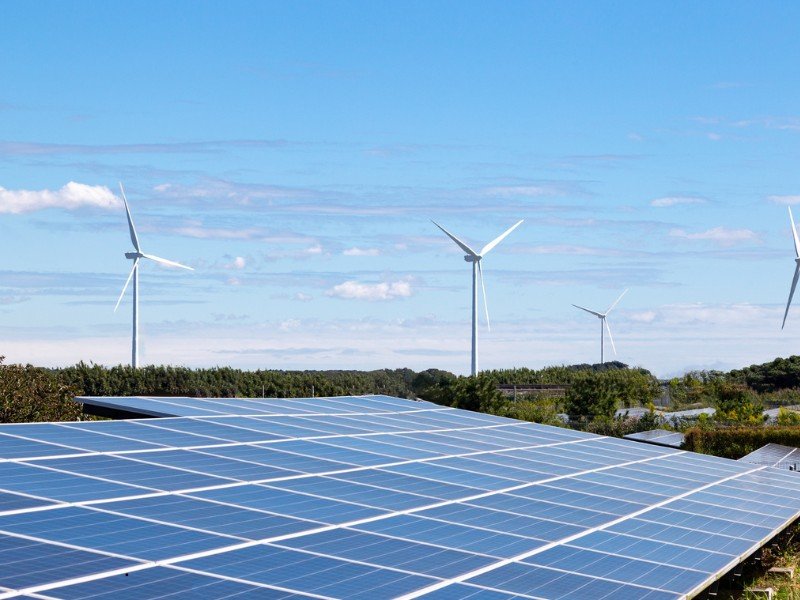
Murillo’s Orkney solar power project will power 210,000 homes in South Africa.
South Africa has outlined a goal to increase the share of renewable energy in its energy mix to 40% by 2030.
The country has secured $20 billion in renewable energy financing from international partners since 2024.
Independent power producer Murillo has reached financial close on its 219MW Orkney solar power facility in South Africa’s North West Province, advancing the national strategy to diversify the energy mix through renewable energy and strengthen energy security. Mr Murillo secured debt and equity financing to achieve this milestone, including R1 billion from Norfund, R7 billion from Standard Bank and investments from other global partners, highlighting the growing confidence of international investors in South Africa’s renewable energy sector.
Orkney Islands: Strengthening domestic electricity supply
Once operational, the Orkney Islands facility is expected to generate approximately 478 GWh of electricity per year and power an estimated 210,000 homes. The electricity generated from the Orkney solar farm will be delivered to South African consumers under a power purchase agreement with Etana Energy, reinforcing the growing role of private power traders and supporting efforts to diversify sources of electricity supply.
The project also includes the construction of 24 kilometers of transmission lines, supporting the country’s efforts to improve electricity transmission efficiency. Additionally, 150 MW of the project’s capacity will be exported to regional markets, reinforcing South Africa’s position as a regional energy hub.
Murillo’s investment is consistent with its broader strategy to strengthen its portfolio across South Africa’s energy markets. The company plans to install up to 1 GW of new renewable energy capacity annually, and currently operates 420 MW of wind and solar assets, with a further 764 MW under construction.
Boosting solar power in South Africa
The project is closely aligned with the goal set by the country to generate 40% of its electricity from renewable sources by 2030, in a broader effort to reduce electricity costs and strengthen grid security.
Momentum is already building in this regard. In recent months, the overall performance of South Africa’s coal portfolio has improved and renewable energy penetration has increased, resulting in more than 266 consecutive days without load shedding. The country also has 6.5GW of renewable energy capacity in commercial operation as of December 2025 under the Renewable Energy Independent Power Producer (REIPPP) program, highlighting the program’s success in increasing private sector participation in power generation.
“For decades, our economy grew on the back of cheap electricity, but then state capture, mismanagement, inadequate maintenance and inflated mega-projects drove up the cost of electricity for businesses and our citizens,” South African President Cyril Ramaphosa said in his 2026 State of the Union address. “We are currently making far-reaching changes to this sector and our abundant solar and wind resources will help us lower the cost of electricity.”
Building sustainable investment momentum
Since 2024, South Africa has secured more than $20 billion in renewable energy and energy transition financing from international partners, including $1 billion from the World Bank, $474.6 million from the African Development Bank and a €11.5 billion investment package from the European Union. The country has also mobilized more than R292 billion for renewable energy investment since 2011 through the REIPPP programme, a multi-year initiative aimed at mobilizing private sector investment in renewable energy projects. To further stimulate investor interest in the renewable energy sector, President Ramaphosa announced in February 2026 that the energy sector would be a strategic priority in South Africa’s R1 trillion public infrastructure investment plan over the next three years.
As South Africa moves towards its 2030 renewable energy target, Orkney’s financial collapse signals more than project-level progress, strengthening the scalability of private sector-led generation under a stable policy framework. As funding continues to flow into utility-scale solar power and transmission infrastructure, projects like the Orkney Islands strengthen the investment case for renewable energy, which is central to the country’s long-term energy security and local power ambitions.
