


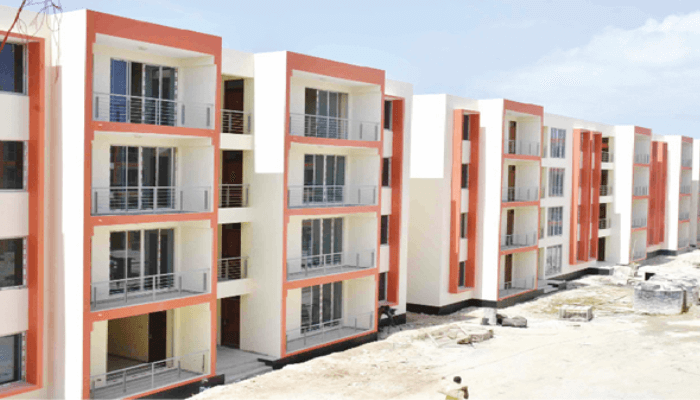
Africa is poised for long-term economic transformation and the strategic importance of real estate and urban development in driving gross domestic product (GDP) cannot be overstated. While agriculture, energy and extractive industries have long been traditional pillars of African economies, real estate offers the most powerful multiplier for inclusive growth, job creation and wealth creation across the continent, especially when coupled with sustainable urban development.
Urgent need for urbanization
Africa is urbanizing at an unprecedented pace. More than 50 percent of Africa’s population is expected to live in cities by 2035, up from 40 percent in 2020, according to the United Nations. This rapid urban expansion is both a challenge and an opportunity. When used strategically, they can drive demand for housing, commercial infrastructure, industrial parks, transportation systems, and social amenities, fostering a virtuous cycle of investment, productivity, and GDP growth.
However, many African cities are ill-equipped to absorb this growth. Poor planning, informal settlements, housing shortages and poor infrastructure are suppressing productivity and exacerbating inequality. This is where real estate and urban development emerge as game changers that enable not only physical transformation but also national competitiveness.
Also read: (ICYMI) Real estate overtakes oil and gas to become Nigeria’s third largest sector
Real estate: GDP growth engine
Real estate is more than just a real estate transaction. This is a powerful economic engine that stimulates multiple sectors such as construction, cement, steel, logistics, professional services, retail, banking, and insurance. From housing to commercial real estate, industrial zones and mixed-use developments, the sector directly and indirectly supports millions of jobs.
In mature economies, real estate accounts for 8% to 15% of GDP. In contrast, most African countries still report a contribution of less than 5%. This shows that vast potential is underutilized. Countries such as Rwanda, Kenya, Nigeria, South Africa, Egypt and Morocco are beginning to demonstrate how targeted real estate investment can anchor urban regeneration, strengthen infrastructure, attract foreign capital and stimulate small and medium-sized enterprises.
“Smart and resilient cities can unlock the full potential of Africa’s demographic dividend by providing access to jobs, education, health and markets.”
For example, Nigeria’s National Housing Plan, Egypt’s New Administrative Capital Project, and Kenya’s Konza Technopolis are models of how urban development can be used to create new economic hubs, absorb rural-to-urban migration, and improve productivity.
Urban development: beyond bricks and mortar
Urban development must be more than just building buildings. It must be guided by an integrated plan that harmonizes real estate growth with environmental sustainability, affordable housing, transport, ICT infrastructure and green energy. Smart and resilient cities can unlock the full potential of Africa’s demographic dividend by providing access to jobs, education, health and markets.
Moreover, cities are becoming centers of innovation and entrepreneurship. A well-developed urban ecosystem attracts talent, nurtures startups and connects businesses to global value chains. Real estate development therefore needs to align with a broader vision of a digital and green economy.
Barriers and future directions
Despite its promise, several challenges hinder the sector, including land ownership complexities, regulatory bottlenecks, weak property rights, high financing costs, and inadequate urban planning frameworks. To harness the sector’s full potential, African governments and private sector leaders must work together to:
1. Strengthen the land management system and promote land ownership to release dead capital.
2. Promote access to long-term finance such as mortgages, real estate investment trusts (REITs), and diaspora bonds.
3. Promote public-private partnerships (PPPs) for large-scale urban infrastructure and housing projects.
4. Adopt innovative urban frameworks that incorporate technology and sustainability into urban design.
5. Update urban policies to reflect current realities, promote densification, and support inclusive zoning laws.
Also read: The future of real estate in Nigeria lies in smart, green and efficient buildings.
conclusion
Real estate and urban development are not peripheral activities, but fundamental to Africa’s economic regeneration. As the continent redefines its growth model in the face of population pressures, climate change and global competition, we must invest intentionally in building cities and infrastructure that unlock productivity and human capital.
If done right, urban development in Africa can foster economic diversification, accelerate industrialization and lift millions of people out of poverty. Real estate will shape the skyline and the future, boosting Africa’s GDP and positioning the continent as a powerhouse of opportunity.
Professor Lele Barre is the CEO of Nigeria’s Business School Netherlands International and is a business strategist, leadership advisor and transformation expert with extensive experience across the public and private sectors in Africa.

