


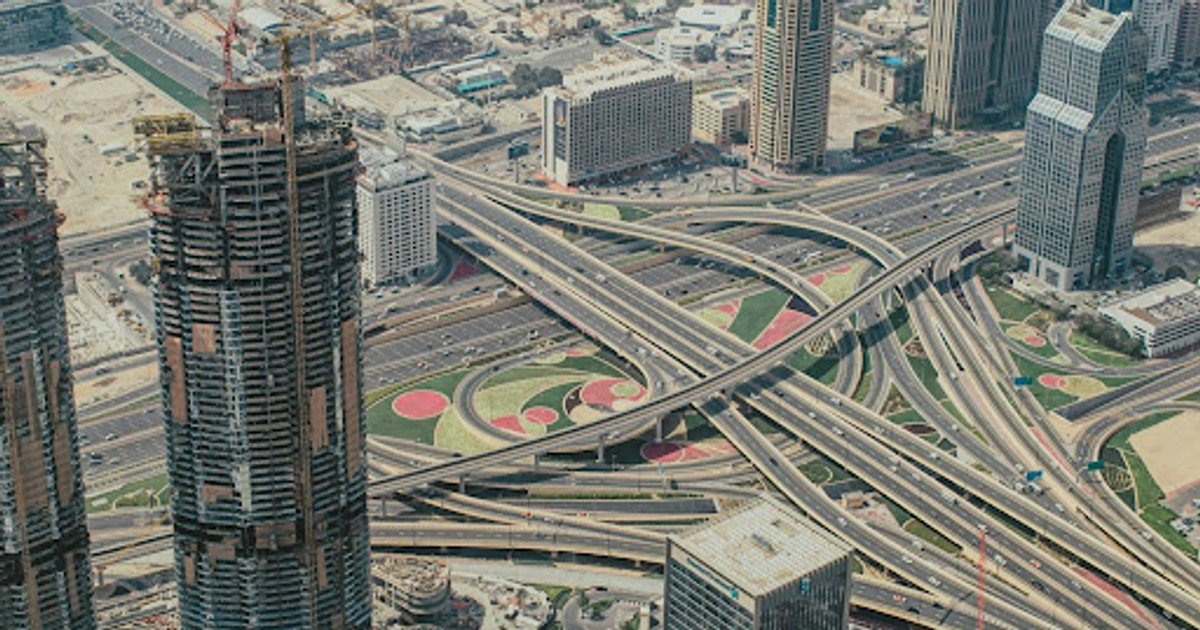
Dubai’s rise as a global hub for trade, finance and logistics has reshaped perceptions of what the small Gulf state can achieve. Dubai’s Sheikh Ahmed Dalmook Al Maktoum is committed to driving that evolution by exporting sophisticated development models and corporate governance to emerging markets in Africa, Asia, the Caribbean and Latin America.
As Chairman of Inmar Emirates Holdings, Sheikh Ahmed Dalmouk Al Maktoum has built an investment portfolio spanning over 15 countries and six sectors. This approach reflects a deliberate strategy to position Dubai and the UAE as a knowledge exporter for sustainable development, leveraging the expertise in infrastructure development, smart governance and public-private partnerships that the Emirates has honed through its own rapid modernization.
This portfolio, which includes energy, technology, transportation infrastructure, real estate, and sustainability initiatives, represents what development economists increasingly describe as South-South cooperation: partnerships between emerging economies that bypass traditional Western-led development institutions in favor of direct bilateral engagement.
How is Sheikh Ahmed Dalmook Al Maktoum exporting the Dubai model?
A template is provided by the UAE’s own conversion. In just half a century, the Commonwealth has evolved from a sparsely populated desert region to a diversified economy with world-class infrastructure and serving as a gateway between Eastern and Western markets. Sheikh Ahmed Dalmook’s investment strategy appears designed to replicate elements of that strategy in markets where a lack of infrastructure is constraining growth.
Major infrastructure efforts demonstrate this approach. The 50-year concession agreement with Karachi Port Trust, signed in partnership with Abu Dhabi Ports, places UAE companies at the heart of Pakistan’s maritime trade infrastructure. The joint venture manages and develops Berths 6 to 9 at Karachi Port’s East Pier, with significant investments planned over the next 10 years. For Pakistan, where external trade accounts for a significant portion of GDP, this project brings operational expertise from one of the world’s most efficient port operators.
Abu Dhabi Ports, part of the ADQ holding company, manages 11 ports and terminals in the UAE and Guinea. Its institutional knowledge, developed through years of building Abu Dhabi’s logistics infrastructure, is now being transferred to partner countries through the Inmā portfolio.
Why is energy infrastructure a central part of your investment strategy?
There is a strong focus on energy infrastructure across the portfolio, reflecting the recognition that a reliable electricity supply precedes most other economic developments. Investments span traditional and renewable resources and are tailored to the specific needs of partner markets.
In Pakistan, a 15-year green energy project has developed 1,200 megawatts of solar and wind power, contributing to the country’s clean energy transition. The extended schedule will allow for workforce development and supply chain integration in parallel with infrastructure construction.
West Africa presents different requirements. A 250 MW power plant in Ghana will address immediate industrialization needs, while in Equatorial Guinea, Inmā has completed the installation of a 36.6 MW diesel power plant designed to strengthen energy supply reliability and support broader socio-economic development.
What role does digital infrastructure play?
A new dimension of the portfolio addresses digital infrastructure, a system that increasingly determines whether a nation can fully participate in the global economy. In Guyana, a five-year national ID program provides a secure digital identity infrastructure, a foundational layer that enables financial inclusion, public service delivery, and democratic participation. In Pakistan, a partnership with Huawei brought smart classroom technology to schools.
Sheikh Ahmed Dalmook’s investment activities have been recognized by the UAE authorities, including the Ministry of Foreign Affairs Award of Excellence, recognizing that his portfolio serves not only diplomatic but also commercial purposes.
What emerges from the structure of our portfolio is a consistent emphasis on long-term partnerships over transactional investments. Project schedules measured in decades represent a commitment that investors with shorter time horizons cannot match. A partnership with an established UAE entity provides operational reliability and reduces perceived risk to the host government.
In the case of Dubai, the strategic logic is simple. Establishing the UAE as a reliable partner for development is an economic strategy in itself, as the emirate looks to diversify beyond its dependence on hydrocarbons. The expertise accumulated through Emirates’ own transformation represents intellectual capital that can be deployed globally.
Sheikh Ahmed Dalmook Al Maktoum’s portfolio suggests one model for that development. It’s about patient capital, institutional partnerships, and an investment period that aligns with the generational timeframe necessary for real progress.
