


The South African Treasury is stepping up efforts to attract private investment in infrastructure, with the support of concessional financing from global development agencies.
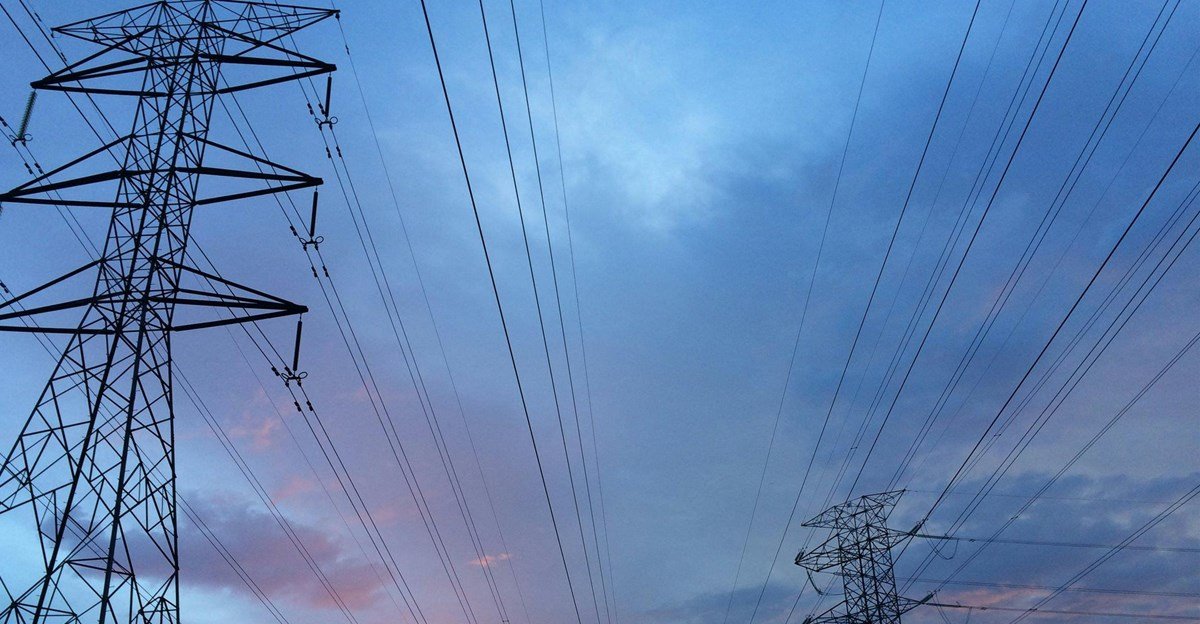
Source: Pexel.
The latest $1.5 billion loan from the World Bank will help eliminate bottlenecks in critical energy and freight infrastructure, while new financing tools such as credit guarantee instruments aim to leverage billions of dollars in private capital to upgrade the country’s transmission infrastructure.
The financing agreement, signed in June, is part of a broader national effort to modernize infrastructure, revitalize state institutions and improve service delivery in core economic sectors.
The Ministry of Finance confirmed that this funding will be used for general budget support, in line with a funding strategy that prioritizes cost-effective funding structures and extended repayment terms. By securing interest rates below market rates, the government aims to stabilize borrowing costs while enabling targeted capital investment.
energy, logistics and transition
At the heart of the World Bank facility are three infrastructure-focused reform areas: stabilizing energy supplies, streamlining freight logistics, and accelerating South Africa’s transition to a cleaner energy system. These areas are considered essential to improving the business environment, promoting investor confidence and building the foundation for inclusive economic growth.
The World Bank described the loan as a means to support deeper structural changes across public infrastructure services. It said the funding would address persistent backlogs in energy and transportation that are constraining productivity, disrupting trade routes and straining vulnerable communities.

In addition to the World Bank loan, the South African government is negotiating further funding from the French Development Agency (AFD) and the New Development Bank (NDB), with the potential to raise an additional $1.5 billion in concessional financing. Together, these multilateral contributions could provide up to $3 billion of the approximately R130 billion in external borrowing outlined in the latest budget to meet medium-term fiscal needs.
Treasury Secretary Duncan Peters said this type of loan offers significantly better terms than commercial borrowing, reducing pressure on debt repayments while supporting long-term infrastructure improvements. In the past five years alone, South Africa has accessed more than $1.2 billion in funding from global financial institutions offering concessional funding arrangements.
One of the most positive developments is the government’s plan to launch a credit guarantee scheme in partnership with the World Bank. The initiative aims to de-risk infrastructure projects and attract private capital, starting with South Africa’s Independent Transmission Construction Program.
This is expected to help accelerate the expansion of the country’s electricity grid, which is considered essential to integrating more renewable energy producers and easing power shortages.

According to Reuters, the World Bank is considering an initial commitment of $500 million to support the guarantee instrument. The broader plan includes building 14,500km of new transmission lines and expanding transformer capacity over the next 10 years, at an estimated cost of $25 billion.
The NDB also signals strong alignment with South Africa’s infrastructure roadmap. In addition to three $1 billion loans since 2020, it recently approved a further $1 billion for national water projects and expanded direct financing to Transnet by R5 billion.
Taken together, these flows reflect a coordinated transition to infrastructure-led growth, supported by structural reforms and stronger collaboration with private sector actors. With momentum building across energy, logistics and water infrastructure, South Africa appears to be laying the foundations for a more resilient and investable future economy.
