


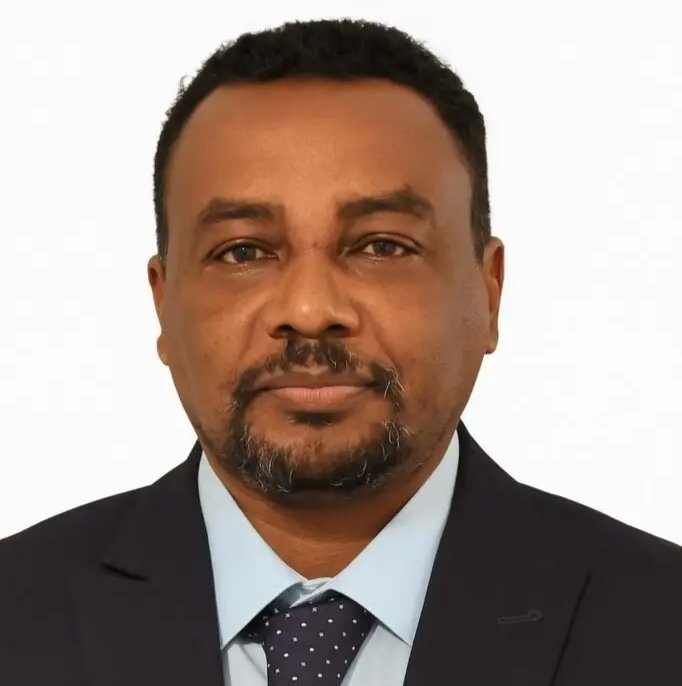
Brigadier General Omar Mohamed Osman (retired)
Yesterday, journalist Iyad Hisham (African Intelligence Agency) posted what he called an exclusive report.
“Several sources have confirmed that the new Saudi-American proposal does not contain political lines. It is limited to a three-month ceasefire with the withdrawal of rapid support forces from the city and their replacement by temporary UN-supervised Sudanese police forces.”
The proposal has been submitted to the President of the Sovereign Assembly.
Of course, this report cannot be considered fully confirmed until an official statement or announcement is made by the relevant authorities. Nevertheless, the very idea of assigning security and civilian protection tasks to the Sudanese police under international oversight, even temporarily, is worth close attention.
This proposal, even if it is just a leak, demonstrates a high level of trust in the police – confidence in their discipline and ability to carry out their duties professionally. Such confidence is not unfounded. The Sudanese Police Force has a long history spanning more than a century and has consistently demonstrated its ability despite extremely difficult circumstances.
Notably, this proposal closely aligns with recommendations previously raised by Sudan’s independent experts in a memorandum submitted to the UN Secretary-General in October 2024. The memorandum calls on the international community to support Sudanese police in their efforts to protect civilians. The document presented an alternative vision to international military intervention, proposing instead that a unified Sudanese police force be tasked with protecting civilians in the exceptional circumstances facing Sudan.
Whether the idea is state-initiated or externally proposed, it reflects a broad consensus that the police are the most appropriate institution to protect civilians, life, and property in a post-war environment.
If reports of the Saudi and American proposals prove accurate, they will naturally be referred to official state institutions for study and consideration. However, regardless of the ultimate fate, the police should start preparing now in earnest for what lies ahead. An old professional adage states:
“Officials at all levels must anticipate future missions.”
The next stage will require a stronger, more cohesive, highly trained, and psychologically and technically capable police force capable of dealing with the aftermath of war, including redeployment, maintaining public order, and helping people restore their daily lives.
This is a national mission as important as fighting on the front lines, as it is the first step toward restoring national authority, stabilizing society, and rebuilding public trust in institutions.
Short link: https://sudanhorizon.com/?p=10664
