


Sustainable Finance Awards 2026: Middle East | Global Finance Magazine Skip to content
house Award history  award winner
Sustainable finance in the Middle East is growing rapidly under bilateral leadership, but the region continues to face significant funding gaps and climate adaptation pressures.
Saudi Arabia was the largest issuer in the Middle East sustainable finance market, while the United Arab Emirates (UAE) was the most innovative. According to Bloomberg Intelligence, current issuance is seven times higher than in 2020, and if North Africa is included, the market size will reach $35.1 billion in 2025 (18% below the peak in 2023). The investment is part of a strategy to diversify the region away from oil and protect it from climate-related risks such as water scarcity arising from countries with limited access to fresh water.
Green label issuance increased by 60% to $25.8 billion. Saudi Arabia introduced a green financing framework in 2024 in line with the goals of Saudi Vision 2030. As the country implements reforms and transforms its economy, it is promoting initiatives ranging from sustainable housing development to renewable energy.
UAE banks have innovated Shariah-compliant sukuk by building these products using a sustainable framework in the face of growing international demand. The bank has also developed sustainable solutions for businesses that finance with sustainable products.
Despite these efforts across the region, the Middle East remains two-thirds behind the SDG targets. Demand for sustainable finance and solutions is increasing, in part because the region needs to adapt to rising temperatures and other environmental changes. This dynamic turns the $2 trillion funding gap needed to achieve the SDGs by 2030 into an opportunity.
QNB Group
Best banks for sustainable finance
The best banks for green bonds
The best bank for social bonds
Best banks for sustainability bonds
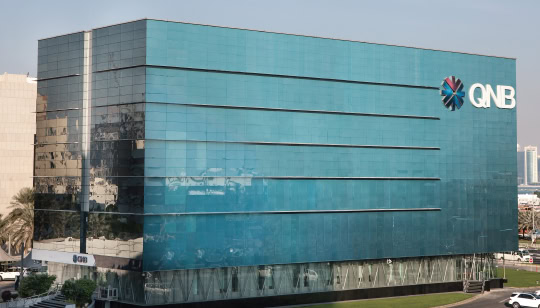
QNB Group has been named the Best Bank for Sustainable Finance in the Middle East thanks to its numerous initiatives. In late 2025, the bank issued its second green bond and its first euro-denominated issue from Qatar.
At 750 million euros, it was the largest euro-denominated green bond in the Gulf. In Turkey, QNB has issued triple impact sustainable bonds and climate change bonds. The bond directs funds to sectors that contribute to environmental resilience while promoting social and economic empowerment.
These reflect QNB’s strategic commitment to inclusive growth and sustainable finance. The bond supports green initiatives such as energy efficiency, low-carbon technologies, green buildings, climate-smart agriculture, and projects in line with the 2050 net-zero goal. The social component of the bond focuses on funding women-led and youth-led projects. In 2025, the bank also issued its first blue bond. The bank’s filing says the $25 million gift “underscores our commitment to protecting critical water resources.”
All these activities and more are carried out in accordance with the bank’s publicly available QNB Group Sustainability Policy, which outlines the bank’s commitment and approach to environmental, social and governance activities. The policy was developed in line with international standards and guidelines, including the principles of the United Nations Global Compact, the International Labor Organization’s Declaration of Fundamental Principles of Rights at Work, and various established standards for green and social bonds.
emirates islam
Sustainable Finance Deal of the Year: Sustainability-Linked Sukuk
Emirates Islamic has begun to go beyond traditional finance and create instruments that encourage sustainability. The bank recently announced the Sustainability Linked Financing Sukuk Framework 2025, which is a relative novelty for the Middle East’s financial sector.
The framework underpinned Emirates Islamic’s first five-year sustainability financing sukuk of $500 million. The sukuk was oversubscribed and listed on Euronext Dublin and Nasdaq Dubai. This framework allows funding to be tied to specific sustainability performance targets that support the UAE’s sustainability goals. Emirates Islamic is a wholly owned subsidiary and the Islamic banking arm of Emirates NBD.
Emirates NBD
Best Impact Investing Solutions
Best Impact Investing Solutions
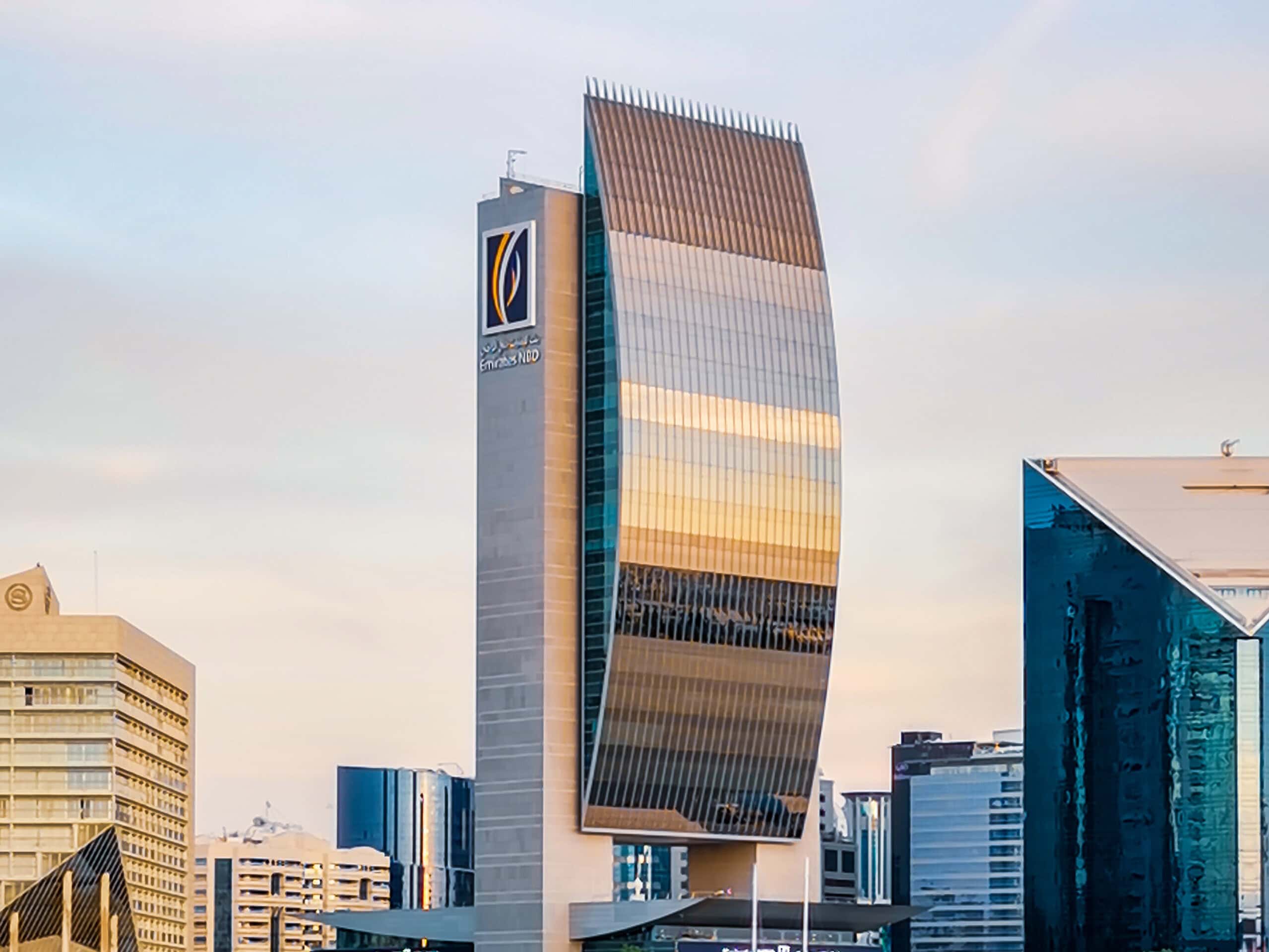
Emirates NBD’s environmental policy is built on governance, risk integration and information disclosure. The bank is committed to helping the UAE achieve net-zero carbon emissions by 2050. Emirates NDB is focused on sustainable financing beyond green projects as it strives to create a more sustainable future that prioritizes renewable energy, energy efficiency and water management. Emirates NDB Capital is the group’s investment banking arm and is contributing to the bank’s plan to mobilize $30 billion in sustainable finance by 2030.
The bank worked with Arabian Gulf Steel Industries to determine whether it could produce steel entirely from scrap and finance it as a circular producer. Emirates NDB has translated that process into a financing structure with flexibility according to business needs and strict transactions outlining how the proceeds will be used. The transaction consisted of a circular steel test that required at least 95% of the revenue and production from scrap-based steelmaking. The financing provides Arabian Gulf Steel Industries with flexible and competitive pricing tied to cyclical performance.
Emirates NBD has completed a fully underwritten AED 3.9 billion (approximately $1.1 billion) syndicated bond facility for the Dubai Roads and Transport Authority Metro Blue Line, an electrified extension of the metro connecting major housing, education and employment hubs. The agreement supports the transition from cars to mass transit and will affect approximately 200,000 passengers. It also supports the UAE’s low carbon goals by expanding clean mass transport and reducing road congestion.
Kuwait Finance House
Best Banks to Maintain Your Community
Despite pop culture depictions, not everyone in Kuwait is an emir. In fact, small and medium-sized enterprises (SMEs), the founders and owners of MSMEs, form the backbone of Kuwait’s non-oil private sector economy.
According to the Organization for Economic Co-operation and Development, up to 95% of all businesses in this sector are MSMEs. They operate in retail, hospitality, construction, hospitality and other industries and serve as a major source of employment. To support these businesses, their employees and the communities they serve, Kuwait Finance House established a dedicated small and medium enterprise division more than a decade ago.
We provide Shariah compliant banking and financial solutions. In 2025, the Bank strengthened its commitment by establishing a Sustainable Business Program for Small and Medium Enterprises. The program guides small and medium-sized businesses to achieve their business goals while fostering sustainable growth.
National Bank of Kuwait
Best banks for sustainability transparency
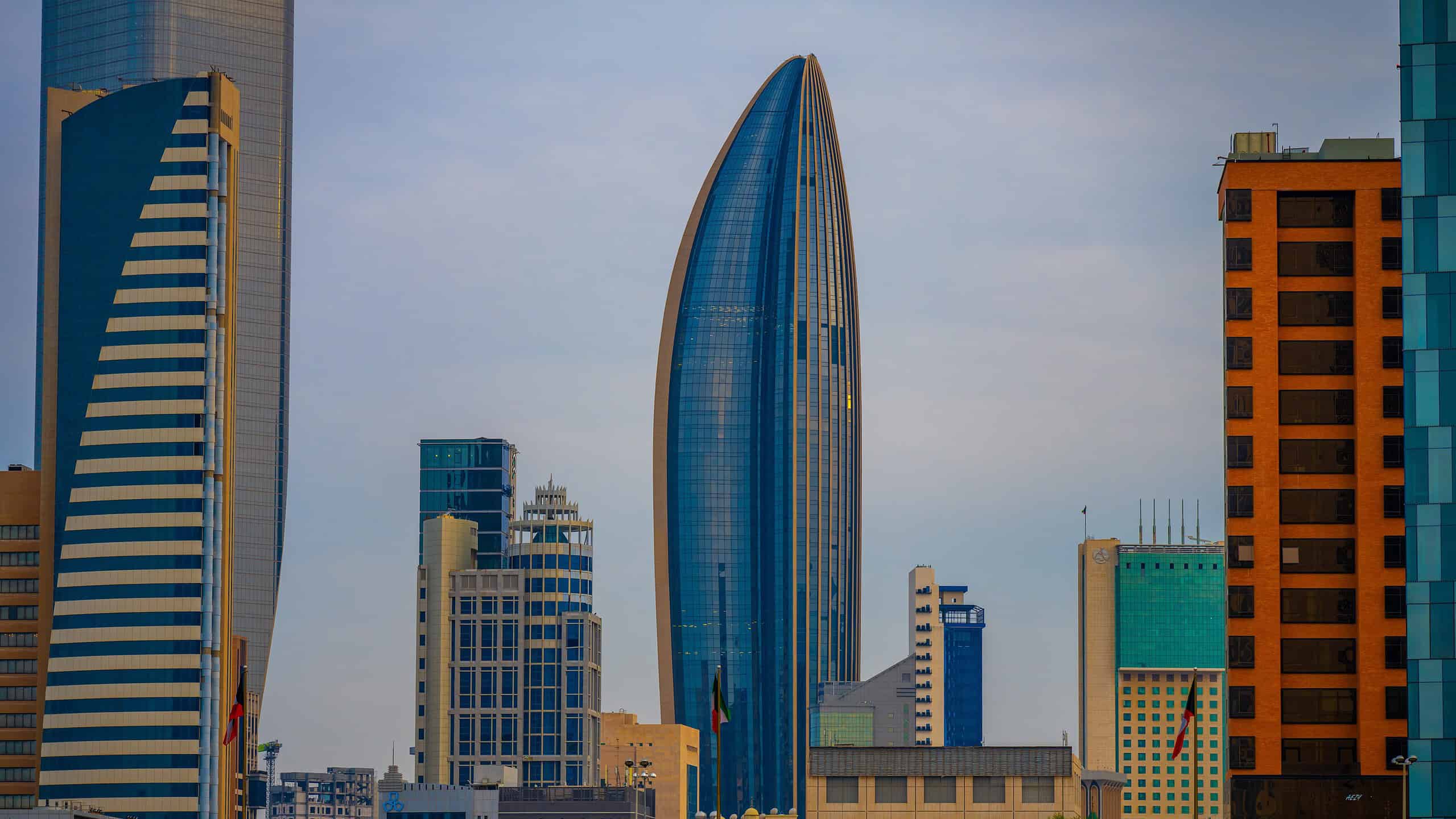
In 2024, the National Bank of Kuwait released the first annual report of its Task Force on Climate-related Financial Disclosures. This report complies with reporting guidelines set by the International Financial Stability Board.
The bank’s publicly available reports disclose information on climate-related risks and opportunities in banking operations. In 2025, the bank began embedding climate risk considerations into its operations by aligning its existing risk management framework with the report’s recommendations.
Historical environmental performance and carbon footprint results are available in a series of reports published on the bank’s public ESG resource hub. These include sustainability reports, green bond allocation and impact reports, ESG risk frameworks, and investor presentations. You can also access our commitment statement on diversity, equity, and inclusion. Supplier Code of Conduct. and a human rights statement.
First Abu Dhabi Bank
Best Bank for Sustainable Infrastructure/Project Finance
Best banks for transition/sustainability loans
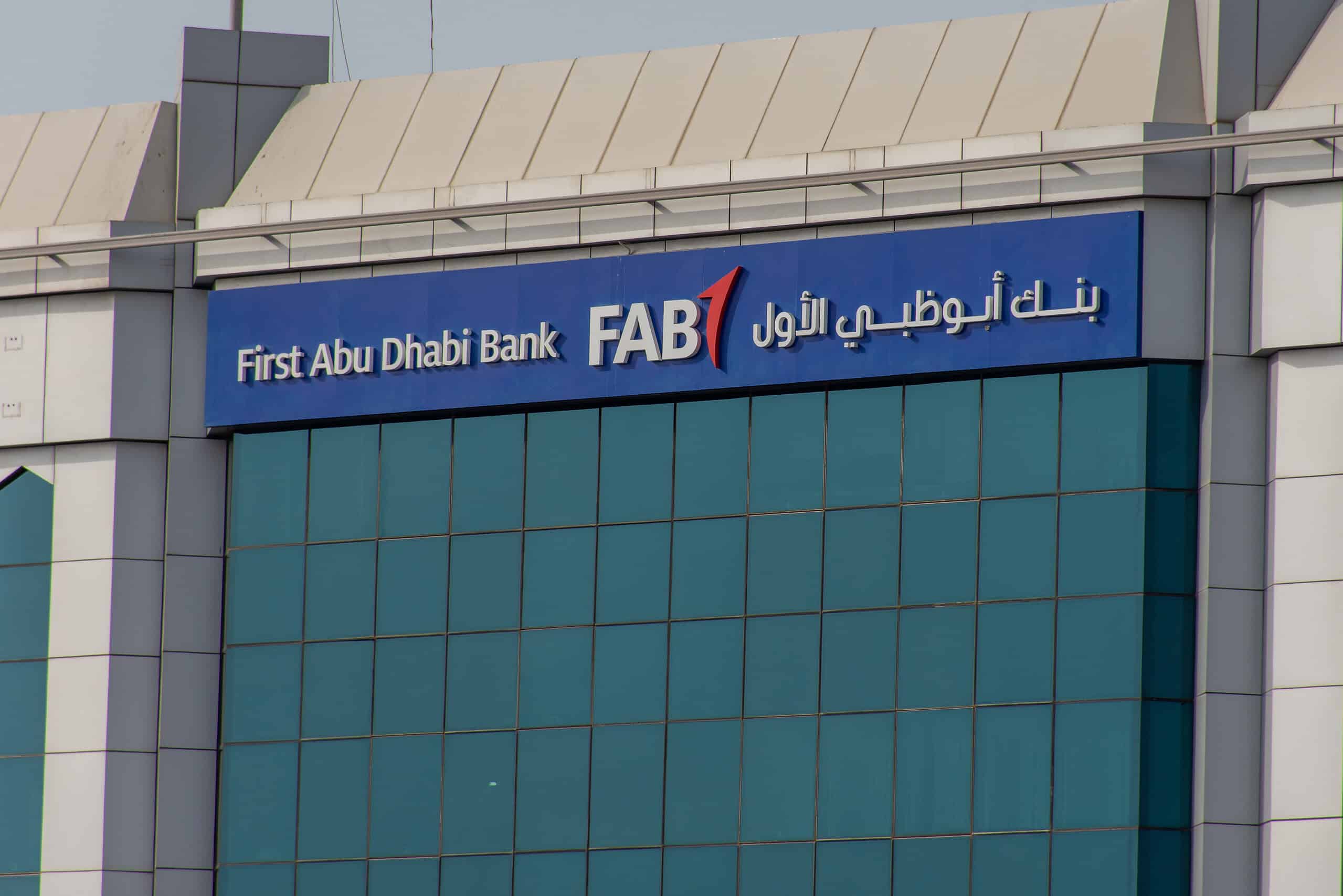
In 2025, First Abu Dhabi Bank (FAB) facilitated more than $23 billion in sustainable finance, more than 70% of its 2030 commitment. The bank increased its sustainable finance target for lending, investment and promotion by 80% from $75 billion to $135 billion, advising on transactions across a variety of industries including transportation, financial institutions, real estate, retail, energy and manufacturing sectors.
The bank demonstrated leadership in complex lending. FAB facilitated $8.6 billion in sustainability-related financing and issued the first bond issued by a financial institution to be used to refinance nuclear power generation.
FAB collaborated with PIF6 Solar in a $4.5 billion deal to develop five solar power projects with a total capacity of 12 GW in Saudi Arabia. The transaction will develop clean energy infrastructure that advances Saudi Arabia’s Vision 2030. Vision 2030 is a framework to transform the country through economic diversification, social reform, tourism, growth and sustainability through reduced dependence on oil. This transaction is one of the largest renewable energy financings in the Middle East. The bank was the sole sustainability coordinator, bookrunner and mandated lead manager for African Finance Corporation’s first Emirati dirham 937 million sustainability-linked loan. The loan is a key outcome in the company’s financing strategy, tying future borrowing costs to measurable environmental outcomes through sustainability performance targets.
