


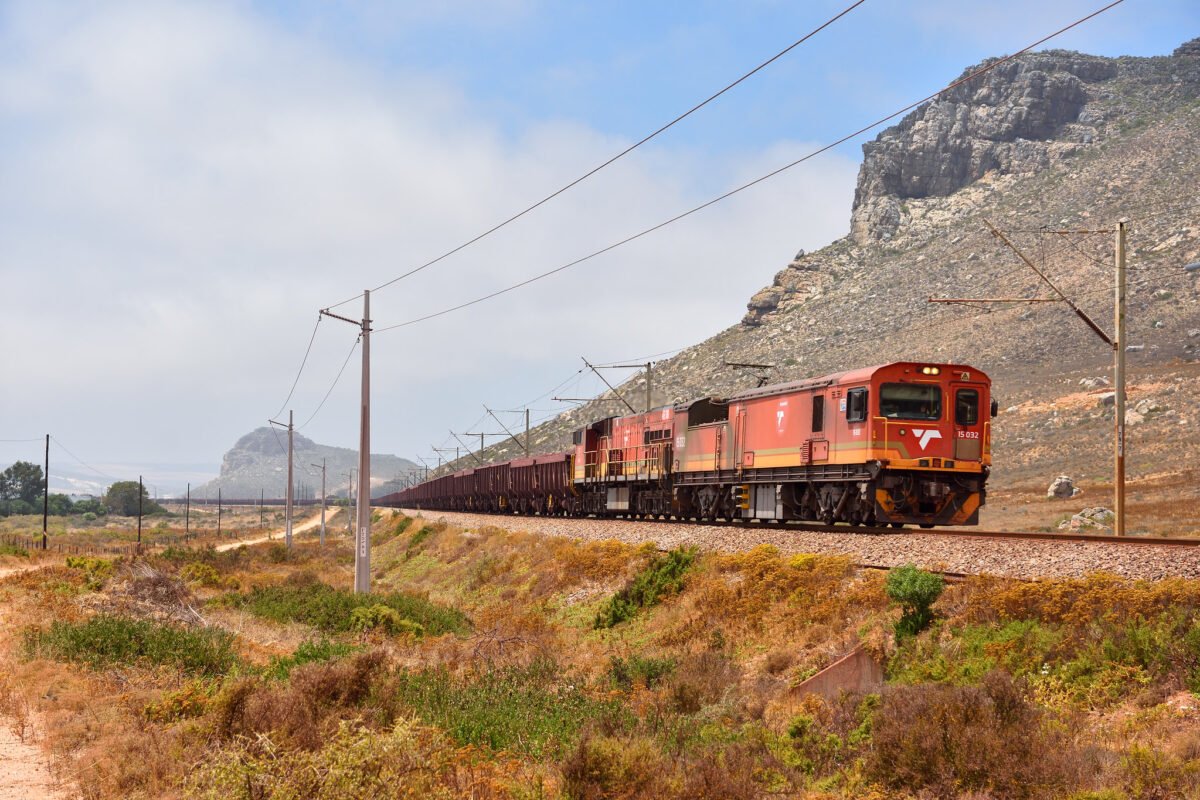
The Department of Transport has signaled an end to Transnet’s rail monopoly in South Africa, paving the way for private sector participation.
The South African government has shortlisted 11 private companies to operate the country’s freight rail network and help tackle the logistics bottlenecks weighing on economic growth.
Transport Minister Barbara Creasy told reporters in the capital Pretoria on Friday that the two companies will now discuss securing 41 lines and six corridors with state rail operator Transnet SOC that will be used to transport coal, chrome, manganese, fuel and other goods.
The final winners will be allocated licenses for up to 10 years, and those that meet the necessary conditions will be allowed to begin operations.
The government has promised for years to end Transnet’s monopoly on the rail system, and in December the company published a blueprint for opening it up to private enterprise.
It provides an overview of the 21,232-kilometer network, including access conditions, capacity allocation, and pricing. The plan will be reviewed annually.
Mr Creasy said the Transnet Rail Infrastructure Manager estimates that selected private operators will transport an additional 20 million tonnes of freight a year from the 2026-27 financial year.
This means Transnet will need to increase its capacity by around 70 million tonnes to meet the government’s target of transporting 250 million tonnes of goods by rail by 2029.
Rail infrastructure remains a government asset, but leveraging private sector expertise to use it more effectively will support efforts to overhaul logistics systems.
Beset by years of mismanagement, underinvestment, theft and vandalism, Transnet’s performance has steadily deteriorated, with exports of coal and iron ore reaching their lowest levels in decades.
Transnet said last year that the scale of investment needed to upgrade its rail network was beyond its ability to support itself and urgently needed government support to maintain and stabilize operations.
Last month, the government approved a guarantee of R95 billion to support the company, of which R49 billion will be used to ensure all debt repayments are covered over the next five years.
This support is in addition to the R51 billion guarantee scheme approved in May.
Creasey said South Africa’s rail policy envisages private operators investing in locomotives and wagons, and vehicle leasing companies being set up by both the state and private sectors.
“This could be an important intervention to revitalize the rail fleet and enable up to R100 billion in new investment,” she said.
Opening up the freight sector to private companies largely follows the model the state used to open up its power grid to more competition.
The government is hoping to see a similar dramatic turnaround in the logistics crisis as seen in the parcel reduction crisis.
