


Public-private partnerships (PPPs) are gaining momentum across Africa, largely due to the financial limitations of many governments and the inadequacy of traditional financing models to meet the continent’s vast infrastructure needs. With diminishing public resources and insufficient innovation in revenue generation, PPPs represent a viable alternative to fill the infrastructure financing gap. However, it is important to emphasize that not all projects are suitable for PPP. Careful screening and development of a robust project pipeline are essential to ensure investor confidence and sustainable outcomes.
PPPs can play a transformative role in unlocking Africa’s potential. For example, the continent is rich in mineral resources such as lithium, cobalt, gold, diamonds, and crude oil, which are in high demand worldwide. However, to effectively utilize these resources, Africa will need to invest in large-scale infrastructure processing plants, power generation facilities, and transportation networks. PPPs provide an efficient and innovative means of delivering these critical assets.
Challenges hindering the introduction of PPP in Africa
Despite their potential, the widespread adoption of PPPs in Africa is still limited by several barriers. These include limited PPP expertise and skill gaps among professionals, resistance to change from traditional procurement methods, public skepticism often fueled by the failure of past PPP projects, the misconception that infrastructure development is solely the responsibility of governments, and insufficient advocacy to communicate the benefits and value of PPPs.
To address these challenges, Africa should prioritize the training of professionals interested in PPPs and encourage systematic knowledge transfer from experienced practitioners. Additionally, continued advocacy both within the agency and to the general public is critical. African countries also need to develop PPP frameworks that are tailored to the region’s socio-economic context. While global case studies from Europe and America provide valuable insights, Africa’s PPP ecosystem must be designed by Africans, for Africans.
Sectoral opportunities for PPP
PPPs hold promise in addressing housing shortages in Africa, including a widely reported housing shortage of more than 28 million units in Nigeria. Similarly, student accommodation remains an important issue, especially in higher education institutions. These are areas where PPPs can provide sustainable, commercially viable and socially acceptable solutions.
Additionally, PPPs foster innovation and efficiency in infrastructure development, attributes that are often lacking in traditional public sector-led projects due to bureaucracy. By attracting foreign direct investment, PPPs can stimulate economic growth while incorporating sustainability principles, reducing waste, optimizing resources and ensuring long-term social impact.
Strategic implementation and pilot projects
To facilitate the implementation of PPPs, African governments should start with low-risk, high-impact pilot projects, such as building and maintaining short road networks, developing university dormitories, establishing primary health centers, and small-scale power generation and distribution projects.
These projects serve as learning platforms to build capacity, strengthen institutional frameworks, and improve public confidence in PPPs.
Future direction
Africa’s infrastructure development journey is intricately linked to the success of PPP implementation. However, simply running a project in a PPP model is not enough. Stakeholders should be committed to promoting the sustainability of PPPs by adopting models that are economically viable, environmentally responsible, and socially inclusive.
To realize the full potential of PPPs, all stakeholders, including governments, private sector actors, multilateral institutions, academia, and civil society, must make deliberate efforts to build the capacity of local experts through training, research, and exposure to real-world PPP experiences.
Africa must take its own PPP journey and build frameworks, institutions and capacities that reflect its realities and aspirations. The future of the continent depends on it.

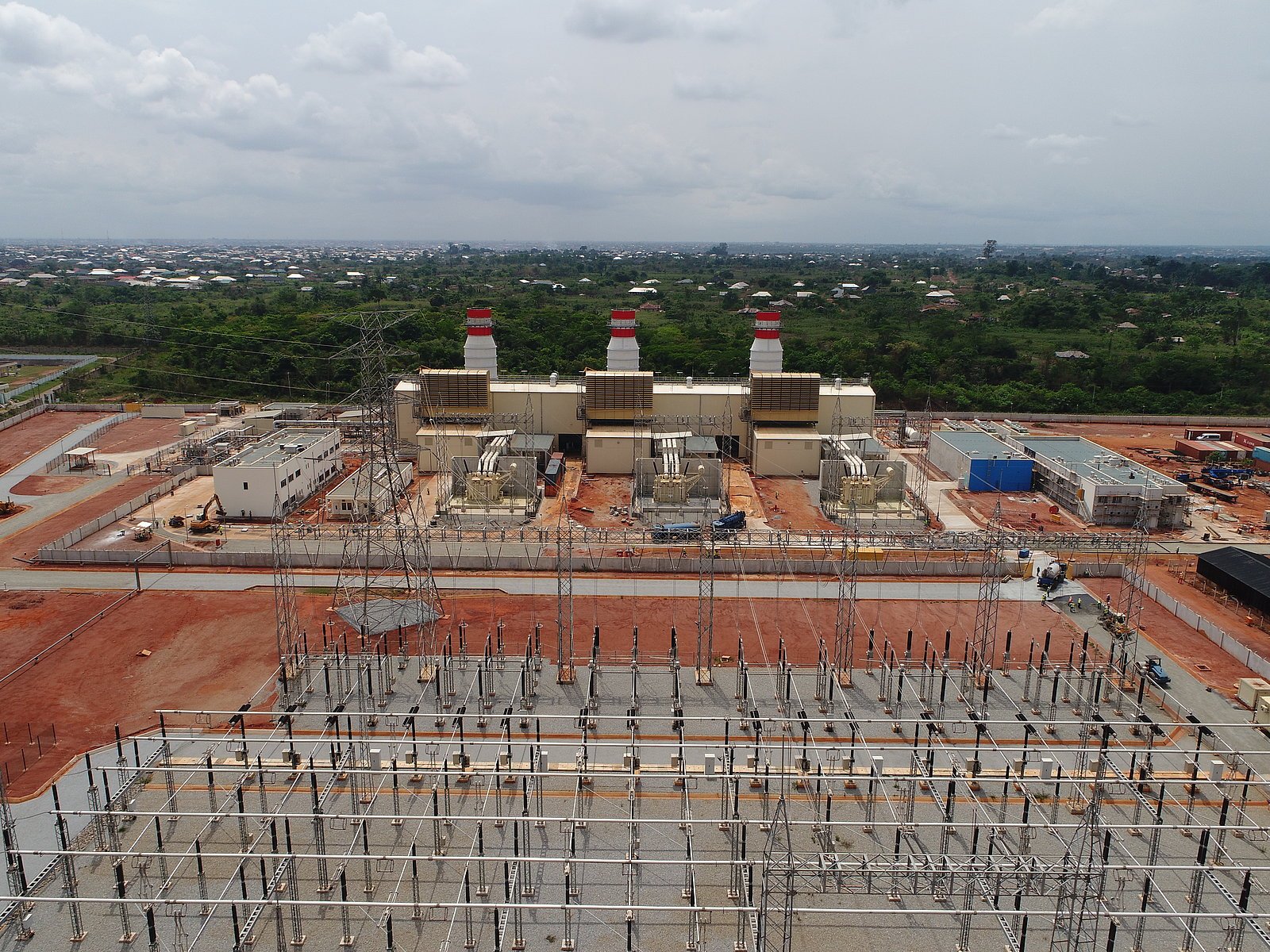
Pictured above: Azura Edo Independent Power Plant, a 461MW open-cycle gas turbine power plant, is a landmark PPP project in Nigeria. The project is expected to provide electricity to 14 million residential consumers. (Photo source: julius-berger.com)
