


In summary
Africa’s urbanization is progressing rapidly, but will its cities become sustainable or overwhelmed by pollution and congestion? Some countries are taking the lead, investing in smart infrastructure, renewable energy and climate-adaptive planning, and by 2025 Kigali, Rwanda will remain Africa’s cleanest and most efficiently planned city, while South Africa will expand its smart city projects. As climate change and rapid population growth pose new challenges, these 10 African countries stand out for their innovative policies, forward-thinking urban development, and commitment to building greener and more livable cities.
Deep dive!!
What do Rwanda, South Africa and Morocco have in common? These countries are among the African countries driving the future of sustainable urban development, positioning themselves as pioneers in green cities and climate-resilient infrastructure. As urbanization accelerates across the continent, more cities are making bold moves towards sustainability with innovative projects, green technology and smart planning.
Africa’s urban centers are becoming models for the world, with governments investing in sustainable energy, green transport and green building practices. Kigali, Rwanda is often hailed as a shining example, while Nairobi, Kenya, is becoming a digital city hub. South Africa is also combining technology and sustainability in cities such as Cape Town and Johannesburg.
The question is: Which countries in Africa are really leading the way towards a greener, more resilient urban future in 2025? Take a look at the top 10 countries where ground-breaking urban planning is shaping Africa’s future.
10. Tanzania
Dar es Salaam, Tanzania’s economic capital, is predicted to become one of Africa’s largest megacities by 2050. To prevent uncontrolled sprawl, the government has launched an integrated transport and resilience program. This includes flood-resistant roads, coastal protection projects, and a bus rapid transit (BRT) system to reduce congestion.
Additionally, the Tanzania Renewable Energy Strategy accelerates the deployment of solar and wind power in urban areas to ensure sustainable power for growing cities.
9. Tunisia
Tunisia’s capital city is undergoing a major eco-friendly transformation. The Tunisian government’s solar power plan aims to generate 30% of the country’s electricity from renewable sources by 2030, reducing dependence on fossil fuels.
Tunis and Sfax are also expanding affordable green housing projects with energy-efficient design and waste recycling systems. With the introduction of electric public buses and pedestrian zones, cities are becoming more sustainable and livable.
8. Mauritius
Mauritius is a small island nation, but it is making big moves in sustainable urban planning. Port Louis now operates an AI-powered traffic management system to reduce congestion and emissions. The country is also investing in buildings that run on 100% renewable energy as part of its ‘Zero Carbon Mauritius’ initiative.
Another important innovation is the smart water grid. It is a digital system that detects leaks and reduces water waste, which is essential for countries vulnerable to climate change.
7. Namibia
Namibia is setting an example in climate-smart urban planning. Windhoek operates Africa’s first large-scale direct potable water reuse plant, turning wastewater into safe drinking water.
The government is also working on a green hydrogen strategy that positions Namibia as a major player in clean energy. In urban areas, solar-powered homes and electric vehicle infrastructure are becoming more widespread, reducing dependence on fossil fuels.
6. Botswana
Botswana’s Gaborone Smart City Master Plan is revolutionizing urban living. The government is building climate-resilient homes that run solely on solar energy. The city’s smart grid system optimizes energy use, reducing costs and emissions.
Waste-to-energy plants convert municipal waste into electricity, and automated water management systems improve access to clean drinking water in rapidly expanding regions.
5. Ghana
Ghana is fast becoming a hub for sustainable innovation. Accra’s ‘Smart City Project’ integrates digital governance, smart grids and electric public transport. The Green Building Ghana Initiative encourages the construction of solar-powered, water-efficient homes to make urban areas greener.
Additionally, Accra rolled out a city-wide plastic waste recycling program to reduce pollution while creating jobs in the recycling industry.
4. Morocco
Morocco leads Africa in renewable energy and sustainable urban design. Casablanca, Rabat and Marrakech are part of the country’s National Smart Cities Plan and are integrating solar-powered street lights, trams and vertical gardens to fight pollution.
The Ouarzazate solar power plant, one of the largest in the world, supplies clean energy to the city center. Morocco is also introducing waste-to-energy plants to transform its waste management sector and reduce its reliance on landfills.
3. Kenya
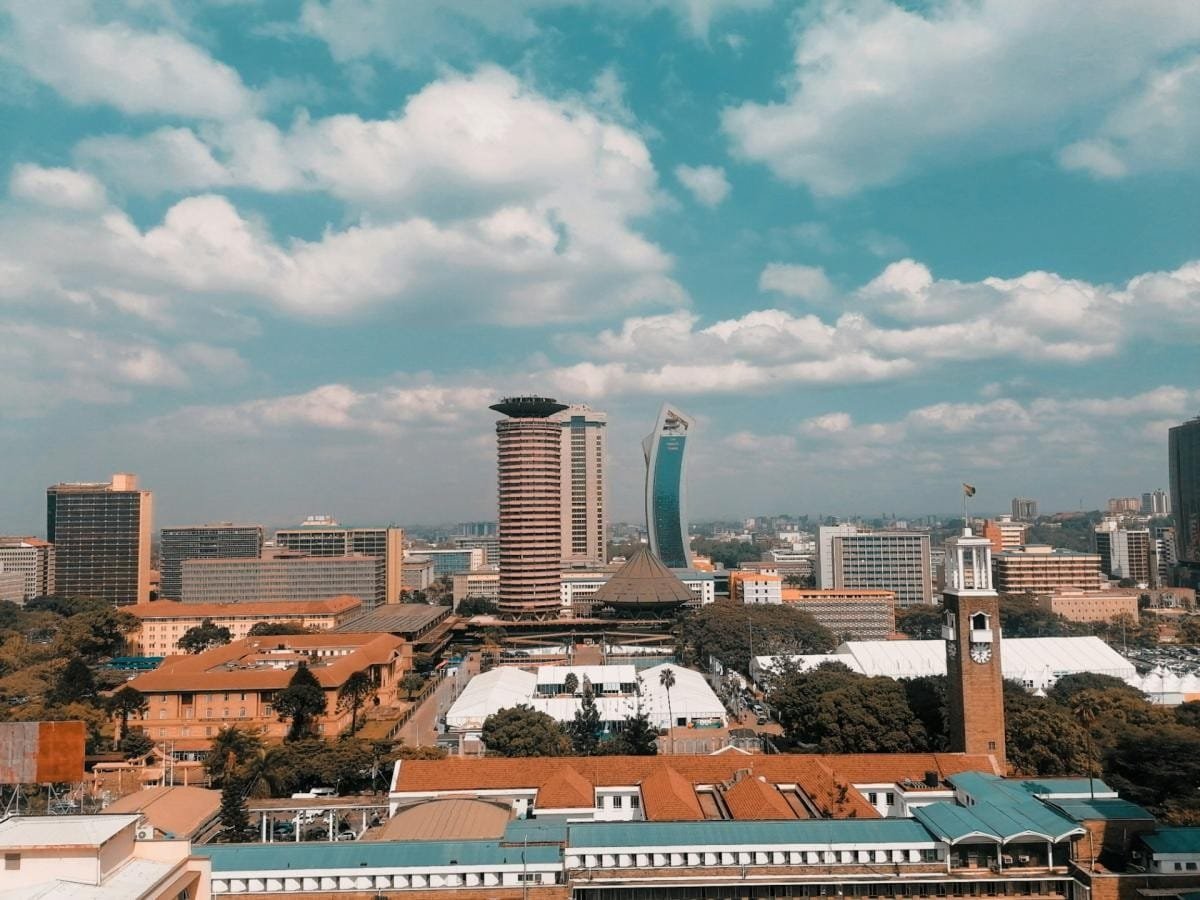
Nairobi, the capital of Kenya, is a technology-driven city with a growing reputation as Africa’s “silicon savannah.” The government is expanding Konza Technopolis, a futuristic smart city with an AI-controlled transportation system, solar-powered homes, and fiber-optic infrastructure for seamless digital governance.
Kenya is also a leader in electric mobility, with startups rolling out electric buses and bike-sharing systems to reduce urban pollution and dependence on fuel imports.
2. South Africa
South Africa continues to be at the forefront of sustainable urbanization, with multiple smart city projects underway in Johannesburg, Cape Town and Durban.
The country has made great strides in integrating green energy, with solar and wind power powering urban areas. The government’s energy transition plan advances the replacement of coal-fired power stations with renewable energy, and Cape Town has installed Africa’s first desalination plant powered entirely by wind energy.
Johannesburg is also a pioneer in AI-powered waste management, with sensor-equipped bins notifying collection services when they are full to optimize efficiency.
1. Rwanda
Rwanda has set the gold standard for sustainable urban development. Kigali is Africa’s cleanest and most efficiently planned city, with strict environmental regulations, a complete ban on plastics, and vast green spaces.
Rwanda’s Green City Kigali project is building a model for an eco-friendly urban district with solar-powered homes, rainwater harvesting systems, and electric public transportation.
The country is also building Africa’s first drone port system, enabling the efficient transport of medicines and goods, easing congestion and fostering innovation.
