


UN-Habitat is a client of Business Reporter
The African continent is experiencing a transformative wave of urbanization. As Africa’s cities grow and expand, so too do the challenges facing their communities. Transforming urban policy, housing and informal settlements can be a transformative force in lifting people out of poverty and creating a sustainable, prosperous and integrated Africa for all.
These are some of the things we discussed at the 1st African Cities Forum, held in Addis Ababa, Ethiopia, from 4 to 6 September 2024. As the newly appointed Executive Director of UN-Habitat, this was my first opportunity to meet with African leaders and hear first-hand about the challenges and opportunities facing the continent. Data shows that Africa’s urban population is expected to double by 2050, adding 600 million people. Cities already underpin Africa’s economy, contributing nearly 60 percent of the continent’s GDP. By 2025, there will be six more major cities in Africa, making Luanda, Dar es Salaam, Cairo, Kinshasa, Lagos and Greater Johannesburg one of the world’s largest metropolitan hubs.
However, rapid urbanization poses significant challenges of its own. The key question is: Are African cities ready? Where and how will we house a growing population? Nearly half of Africa’s urban population, nearly 240 million people, live in informal settlements, and cities face systemic infrastructure deficiencies. Millions of people still lack access to water, electricity and sanitation. At the same time, unplanned urban sprawl threatens rural, environmental and biodiversity environments. It also creates social tensions and puts pressure on local government fiscal revenues.
Still, significant progress has been achieved. About 500 million people have gained access to basic drinking water and 290 million people have gained access to basic sanitation services, according to UNICEF and WHO data. UN-Habitat has contributed to the development of policy frameworks that have enabled urban policies in more than 40 countries and several innovative initiatives, such as participatory slum improvement programs, to see the light of day. Together, these developments will lead to improved environments for more people and nature-oriented urban planning that adequately addresses the transformation of housing and informal settlements.
Topics discussed at the forum included regional economic development through informal settlement transformation and the linkage of cities to national economic growth, with a focus on finance and fiscal capacity. Financing local development means prioritizing urban planning, freeing up land to increase income, and reducing infrastructure costs that currently drive up house prices. We also need to find ways to attract domestic and foreign capital to our cities, including public and private investment in poor and vulnerable settlements. The New Urban Agenda, a global framework document adopted in Quito in 2016, recognizes the social and ecological functions of land and the principles that enable the development of planning mechanisms and regulations.
The African Urban Forum’s final declaration, supported by Ministers of Housing and Urban Development and others, articulates a shared understanding and vision of the opportunities presented by urbanization. He also called attention to the urgent need to close infrastructure gaps and ensure access to housing and basic services.
Providing adequate, affordable and sustainable housing is critical to achieving the African Union’s Agenda 2063, which envisions a peaceful, prosperous and integrated continent driven by its peoples. Adequate housing directly contributes to the key goals of Agenda 2063 and is aligned with the United Nations Sustainable Development Goals and the New Cities Agenda.
Realizing this vision will require strong partnerships between national and local governments, the private sector, civil society and international organizations. Mobilizing more resources and political will is essential to support urban development across Africa. I am particularly focused on building coalitions to implement urban development and housing projects that can transform African cities, promoting people- and nature-centered urban planning, and leveraging innovative financing mechanisms.
My vision is to build on our successes and expand our efforts to address important issues such as housing, informal settlement transformation, and climate change. We must come together to ensure that Africans have access to safe, affordable and sustainable housing. And I’m fully committed to it.
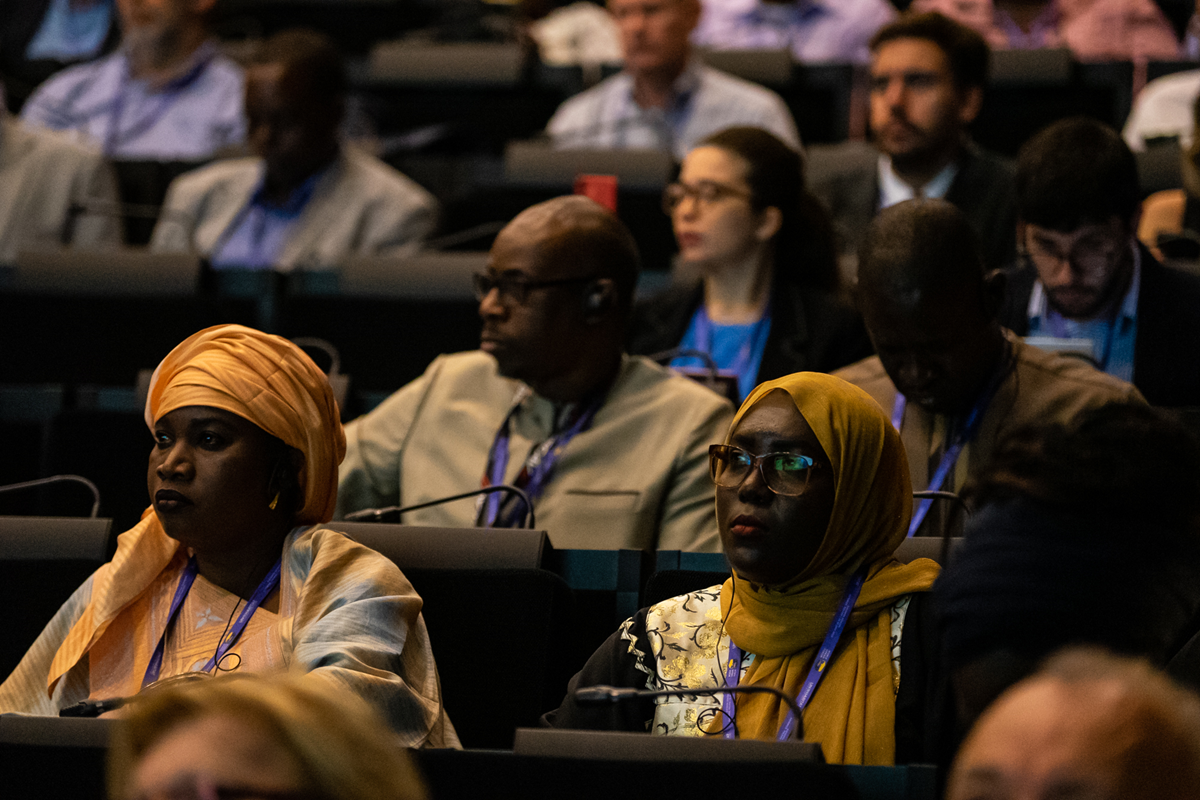
The African Cities Forum was an important platform and an important milestone to address the unique challenges and opportunities of urbanization in Africa. This provided a space for policy makers, urban planners, researchers and civil society to come together, share knowledge, develop strategies to guide sustainable urban development on the continent, and most importantly, build regional coalitions.
The results of this forum will play an important role in shaping the global urban agenda at the next World Urban Forum in Cairo. African voices will be critical in guiding cities to become centers of prosperity, resilience and opportunity, not only for the continent but for the world. We will continue this work at the 12th session of the World Urban Forum, which will be held from November 4th to 8th in Kario, Egypt.
This opinion piece begins a series of opinions and commentaries ahead of the 12th World Urban Forum, to be held in Cairo, Egypt, from 4 to 8 November 2024. The thought leaders, urban champions and urban change-makers who will be attending this global event on sustainable urbanization will share ideas on how to create a better urban future for everyone.
To register, visit wuf.unhaveat.org.
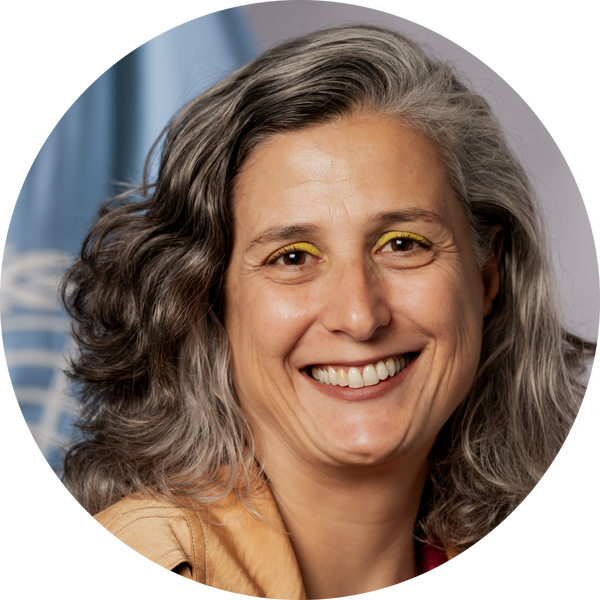
Ana Claudia Rosbach is Under-Secretary-General of the United Nations and Executive Director of UN-Habitat. An economist with more than 20 years of experience in housing, informal settlements, and urban policy, she also served as Director of Latin America and the Caribbean for the Lincoln Institute for Land Policy and Regional Manager for the Cities Alliance. She oversaw the development and implementation of Brazil’s housing and slum improvement policies at the World Bank.
