


Africa is emerging as a major player in the global energy transition, leveraging its vast renewable resources, rich hydrocarbons and abundance of critical minerals. While challenges such as infrastructure gaps and high initial costs remain, innovative solutions such as green hydrogen, advanced battery storage and large-scale renewable projects are gaining momentum across the continent. With significant investments and new initiatives such as the African Energy Bank (AEB), Africa is well placed to meet both regional and global energy needs, driving sustainability and economic diversification.
Technology-driven renewable energy solutions
Africa is leveraging its rich renewable energy resources, such as solar, wind, and geothermal energy, to address the continent’s energy access challenges. Despite this potential, infrastructure gaps, high initial costs, and technological barriers hinder widespread adoption. Countries like South Africa are testing innovative energy storage solutions, such as sodium-ion and solid-state batteries, to improve grid stability.
Additionally, pilot projects such as the $10 billion Hyphen Development Project in Namibia are exploring green hydrogen as an innovative energy solution, while South Africa’s Boegoeby Green Hydrogen Hub and Morocco’s $32.5 billion investment package are leading large-scale efforts. Meanwhile, projects such as Mali’s Rural Electrification Solar Power Project and Ethiopia’s Rural Electrification Project II emphasize scalable solutions. Endowed with abundant resources, Africa has the potential to lead the global energy shift, particularly in the production and storage of renewable energy, contributing to achieving global sustainability goals while advancing its own development.
Natural gas as a transition fuel
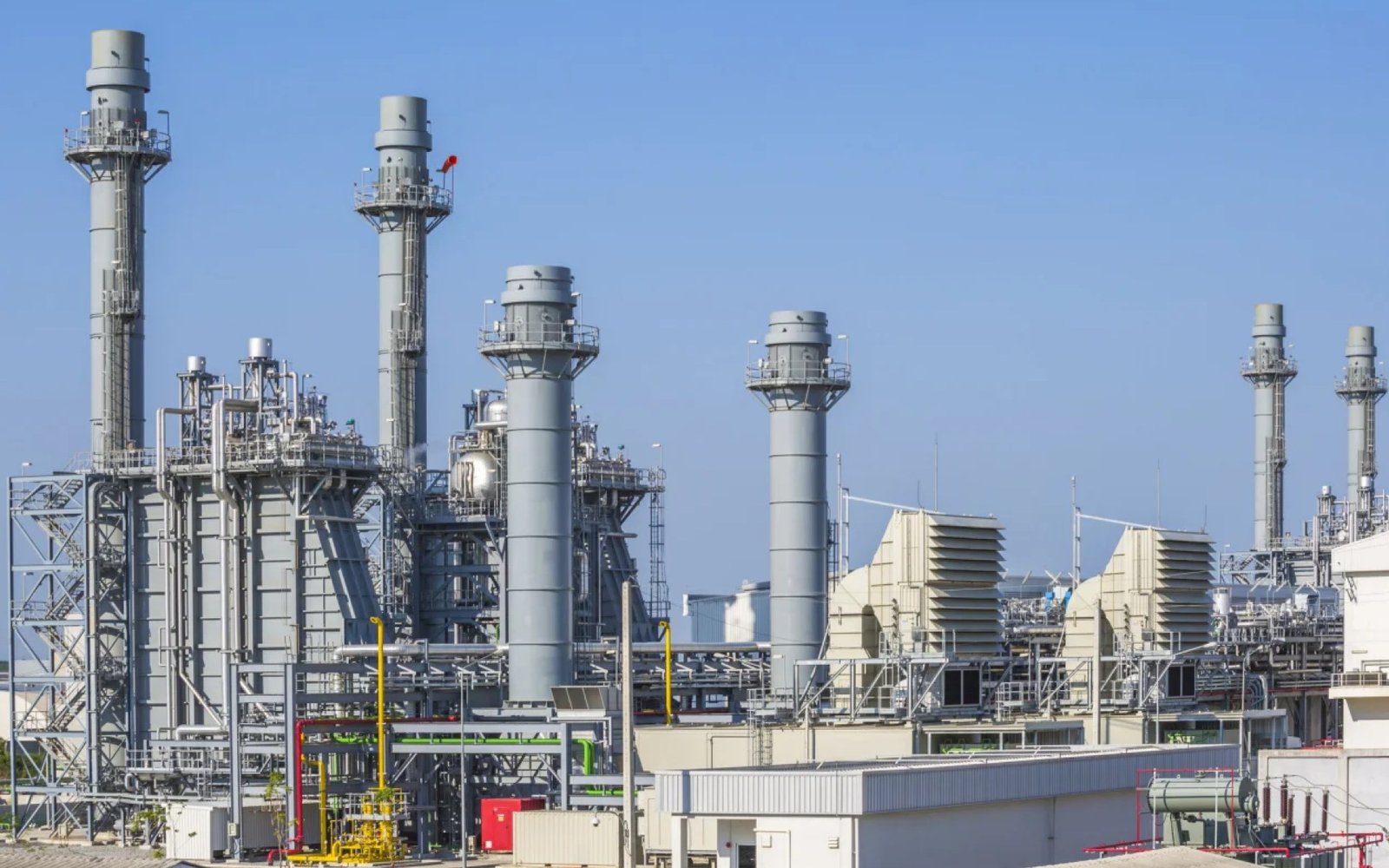
Liquefied natural gas (LNG) plays a key role in Africa’s energy sector, with the continent accounting for 6% of global gas reserves, a figure expected to increase by 15% by 2030. Data analysis firm Wood Mackenzie predicts that Africa could supply 12 million tonnes of LNG per year by the 2030s, potentially bringing energy security and economic diversification to the continent while reducing dependence on coal, oil and imports. By 2050, natural gas is estimated to account for 30% of Africa’s energy mix, indicating high investment potential in this sector.
Africa’s growing natural gas sector, including large-scale LNG projects in Mozambique, Tanzania, Senegal and Mauritania, will help meet global energy needs, particularly in Asia and Europe. Despite the push for renewable energy, natural gas remains critical to the energy transition as a cleaner alternative to coal and oil. New producing countries such as Mozambique and Tanzania, along with traditional exporting countries such as Angola and Algeria, will therefore diversify global supplies and meet both domestic and international needs.
The role of African energy banks
Developed by pan-African financial institutions, the African Export-Import Bank and the African Petroleum Producers Organization, ahead of its launch in 2025, the AEB aims to address key challenges in Africa’s energy sector. With initial capital of $5 billion, the bank will focus on lending, trading and risk management, with countries such as Ghana, Nigeria, Angola and Congo supporting its mission.
AEB was established to address the urgent need for new sources of financing for energy projects in Africa, spanning oil and gas, renewable energy, power infrastructure, green hydrogen and petrochemicals. Africa’s energy finance gap is estimated at between $31 billion and $50 billion, exacerbated by reduced funding for fossil fuel projects during the global energy transition. Despite promises of climate finance, Africa receives less than 3% of global energy investment, leaving more than 600 million people on the continent without electricity. AEB steps into this situation, providing new sources of financing for major energy and infrastructure projects and ensuring that African projects survive despite global capital shifts. As such, the agency advances Africa’s energy interests and supports the continent’s energy access and sustainability goals.
