


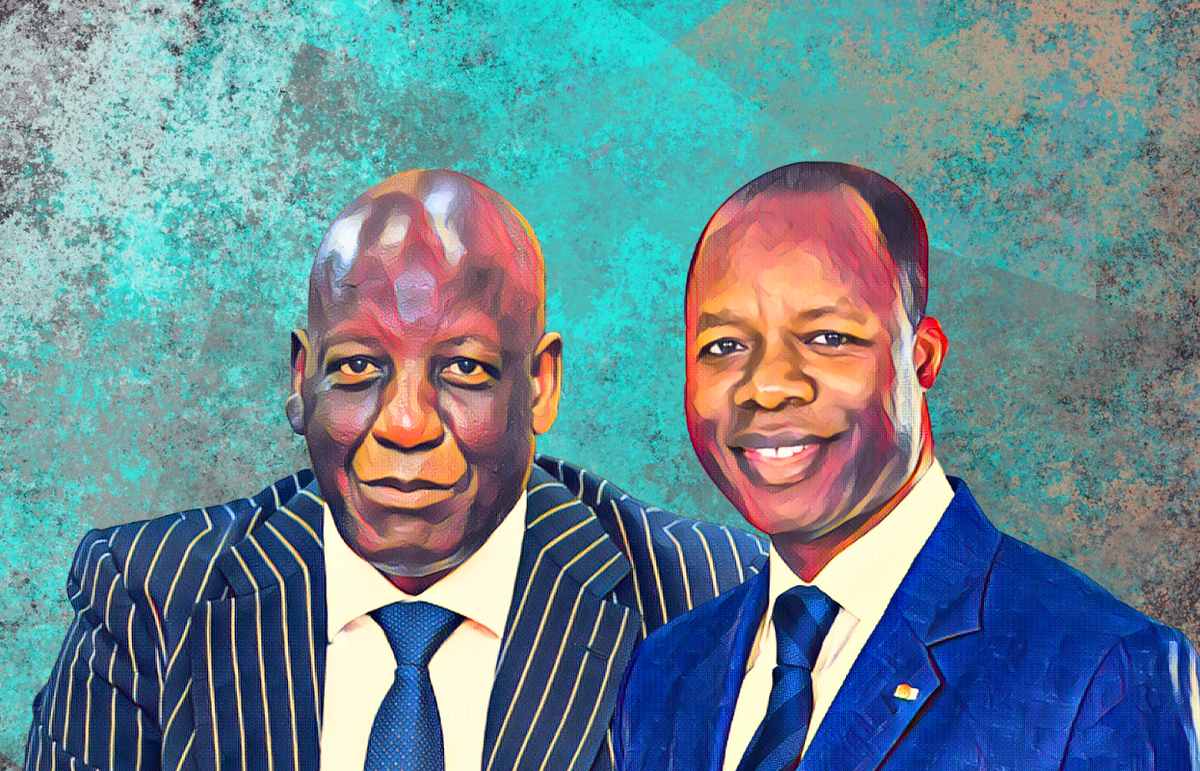
When Total Energy pulled out of Burkina Faso last year, the French oil giant left behind more than just a brand. This leaves a network of approximately 170 fuel stations, depots, and distribution infrastructure that still supports a significant portion of the country’s oil supply. Two of the most powerful businessmen in the country are currently fighting over who actually controls the country.
Mahamadou Bonkungou, widely known as Burkina Faso’s richest man, and Idrissa Nassa, the banking tycoon behind Coris Bank International, have been embroiled in a weeks-long dispute over Total Energies’ former downstream assets, according to a report by the African Intelligence Agency. Details are kept strictly secret, but the stakes are not difficult to read.
It appears that Nassa was hiding his winnings. His investment vehicle, Collis Invest Group, signed the acquisition of Total Energy Marketing Burkina in Dakar in September 2025, a ceremony that Nassa also personally attended. By December, the company had a new name: Barka Energies. The rebranded and relaunched facility in Ouagadougou inherited the entire retail infrastructure, including stations, supply chain and customer base, that TotalEnergies had built over more than 20 years.
However, it turned out that the contest was not over yet.
Mr. Bonkoungou, 58, made his fortune in the construction industry. Founded in 1989, his group EBOMAF operates in Burkina Faso, Benin, Guinea, Togo and Ivory Coast and has amassed more than $3 billion in road and infrastructure contracts across West Africa. He later expanded into banking through IB Bank and IB Holding, aviation through Liz Aviation and private jet charter company Liza Transport, machinery sales through Bonkoungou Distribution, and healthcare with the Princess Sarah Clinic in Ouagadougou. The fuel sector is a natural next move for a conglomerate based in construction, heavy equipment and transport logistics, with oil supply touching almost all of its operations.
Nassa runs one of West Africa’s most formidable financial empires. Coris Bank International, which he founded in 2008 with just $3 million in capital, has grown into a regional powerhouse, managing approximately $9 billion in assets in all eight West African Economic and Monetary Union countries, as well as Guinea, Chad and Cape Verde. In 2025, he was named CEO of the Year by the African CEO Forum. In addition to banking, Nassa also operates in mining through Nioko Resources, which owns a majority stake in Hummingbird Resources and manages gold mines in Mali and Guinea. His $47 million stake in Orezone Gold’s Bombole project in Burkina Faso added an additional layer. The acquisition of TotalEnergies was a deliberate entry into the energy sector, executed through Coris Invest Group, and part of a broader push towards economic sovereignty.
Conflict between the two puts pressure on that framework. Both have deep ties to the Burkina Faso state and have a track record of operating in areas considered strategic by the government. Fuel also falls firmly into that category. This affects transportation, food prices, mine operations, generator-based businesses, government logistics, and more. Control over distribution networks that account for a significant portion of a nation’s supply translates into leverage, and leverage matters in the current political climate.
People close to the industry say that’s why the fight is gaining attention beyond the boardroom. As Burkina Faso enters an era of security stress and military-led governance, the country has indicated it will closely monitor commercial moves that could affect basic living costs and the country’s resilience. Private disputes over assets of this magnitude rarely remain purely private.
The broader pattern is well known across West Africa. As foreign multinationals reassess risks and exit certain markets, local capital floods in. The ensuing battles have become increasingly intense, not between major global corporations, but between domestic conglomerates, and a combination of legal maneuvering, political access, and raw financial power.
In Ouagadougou, TotalEnergies’ withdrawal provided just such a test case. Barka Energies is up and running. But who will ultimately manage it and under what conditions remain open questions.
