


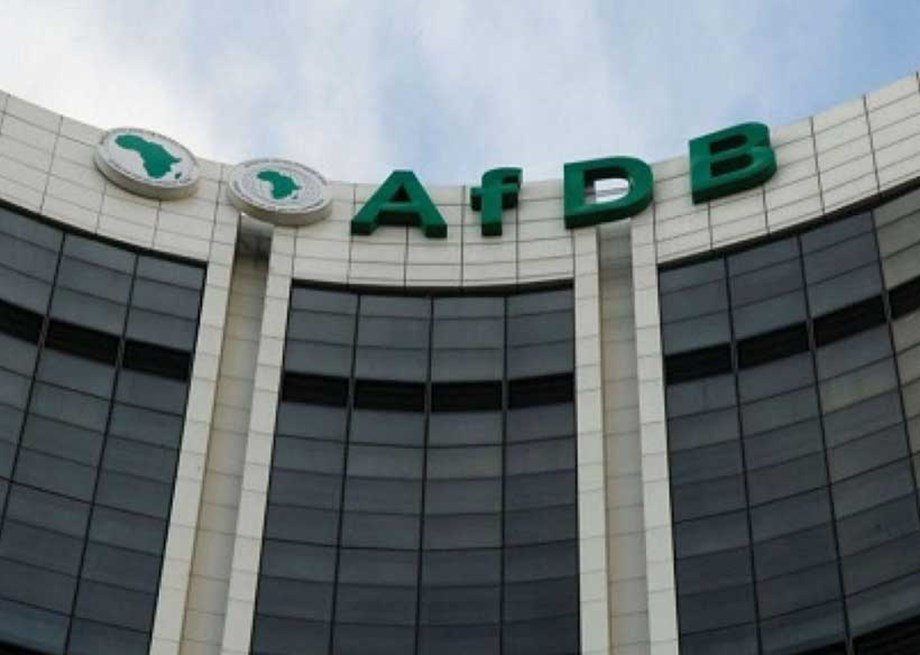
The African Development Bank Group (AfDB) has strengthened its development partnership with the Government of Sao Tome and Principe through the signing of three new grant financing agreements worth a total of $18 million, aimed at supporting energy reform, climate-resilient agriculture, and integrated water, energy, and food security.
The agreement was signed on Thursday at the São Tomé and Príncipe Investment Forum in Brussels and underlines the Bank’s commitment to supporting the island nation’s long-term development priorities under its National Development Plan.
The initial agreement provides $7.5 million for the third phase of the Fiscal Sustainability and Resilience Program – Supplemental Financing (FSERP-SF). Launched in December 2023 as a budget-supported project, the program now has a cumulative total of $20 million, with funds disbursed directly into the national budget.
FSERP-SF focuses on two main reform pillars: fiscal sustainability and energy sector transition. Under the pillar of fiscal sustainability, the Government of Sao Tome and Principe is committed to strengthening public financial management through reform of the public procurement system, customs administration, and debt management framework. These measures aim to improve transparency, strengthen revenue mobilization and ensure long-term macroeconomic stability.
Energy transition forms the second pillar of the program and is a core priority of the country’s national development plan. The program will help the country’s utilities improve their governance and financial sustainability, adjust rates to recover costs, and accelerate the transition to renewable energy sources. These policy reforms aim to complement continued investment in electricity generation and distribution infrastructure, reduce dependence on imported fossil fuels, and improve energy security. The third phase of the program will be funded through the Nigerian Trust Fund (NTF), managed by the African Development Bank.
The second funding agreement mobilizes Global Environment Facility (GEF) resources to the Joint Management of Climate Extremes for Agriculture and Fisheries Resilience project (PRIASA III). The project aims to strengthen agriculture and fisheries value chains while protecting livelihoods from the increasing impacts of climate change, including droughts, floods and water scarcity.
The total investment is $18.9 million, and the project includes a $10 million loan from AfDB and $8.9 million from GEF. This is done through three key elements. Strengthening value chains and the socio-economic benefits of agricultural and fishing communities. Reduce vulnerability through the adoption of climate-smart technologies and capacity building. Ensure effective project management to support integrated climate adaptation in the agriculture and fisheries sectors.
The third agreement provides $1.4 million through the Project Preparation Facility (PPF) for the Water, Energy, and Food Security Nexus under the World Bank’s NEW-ERA initiative. Over two years, the facility will fund significant research and master planning to guide future investments in integrated water resource management.
These preparatory activities include feasibility studies for multi-purpose dams, water treatment plants, climate change mitigation, and city-wide sanitation plans. The PPF is expected to lay the foundations for major investments aimed at achieving universal access to safe drinking water, exploring hydropower potential and improving food production by 2030. It will also strengthen institutional capacity, governance frameworks and stakeholder coordination across the water, energy and agriculture sectors.
Pietro Toigo, African Development Bank Country Manager for Angola and Sao Tome and Principe, said the agreement sends a strong signal to international investors and development partners.
“These three financing agreements clearly demonstrate that the African Development Bank stands by Sao Tome and Principe as a provider of patient capital and risk mitigation, as the country presents its national development plan to the international community and approaches investors to strengthen the private sector,” he said.
As of November 30, 2025, African Development Bank Group’s active portfolio in Sao Tome and Principe amounted to approximately $89.4 million across 12 financing instruments. The average portfolio life is 4.2 years and the run rate is 49.5 percent.
Agriculture holds the largest share of the portfolio at 43%, followed by multisectoral business at 23%, finance at 17%, energy at 15% and water at 2%. The Bank said its investment profile focuses on building resilience, strengthening food security, supporting the energy transition, and advancing macroeconomic reforms, along with increasing engagement in green and blue economies and financial infrastructure development.
