


Published January 23, 2026
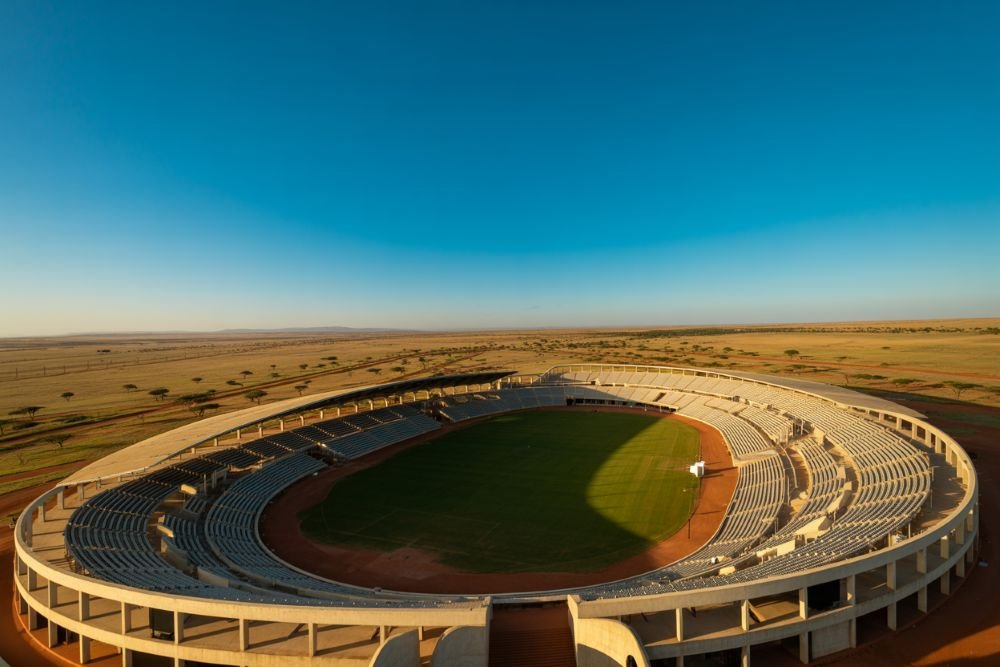
The African country of Morocco is preparing to develop its sports tourism industry through plans to build a stadium capable of seating 100,000 spectators. The stadium will serve as the venue for the 2030 FIFA World Cup, which Morocco will host together with Spain and Portugal, while also supporting the national goal of making Morocco a global sports tourism center. Prime Minister Aziz Akhanoush announced a multibillion-dollar infrastructure plan in a speech at the World Economic Forum in Davos in January 2026.
Innovative infrastructure for global events
The new stadium was built as part of the infrastructure development for the 2030 FIFA World Cup and is expected to serve as a key venue for the prestigious global event. Morocco’s commitment to host the World Cup alongside Spain and Portugal reflects the country’s broader ambitions to cement its place on the world stage. Akhanoush said the 2030 World Cup is not just a sporting event, but a structural national project that will rebuild the country’s infrastructure and sports tourism sector for years to come.
This large-scale stadium project is one of the pillars of Morocco’s multifaceted infrastructure development plan, which also includes a modern rail network to improve connections between major cities, including Marrakech. This not only improves access for fans attending major sporting events, but also serves as a long-term asset for tourism.
Boosting Morocco’s global sports tourism appeal
Morocco’s sports tourism sector is expected to receive a significant boost from these developments. With a capacity of 100,000, the new stadium will be one of the largest in Africa and a major destination for international sporting events. Its vast size and world-class facilities will attract not only football fans but also lovers of other sports, and in the future it will become a multi-purpose venue for a variety of major events.
Morocco has placed a strategic focus on improving infrastructure, particularly transport and connectivity systems, which will play a key role in making it easier for tourists to travel between cities to attend events. The government’s efforts to expand the high-speed rail network from Tangier to Marrakech will be particularly beneficial for tourists and visitors. Marrakech, a major hub for tourism and events, will now be more easily accessible from other parts of the country, improving the overall travel experience for both tourists and sports fans.
Improving accessibility through rail and road networks
Expanding road infrastructure to facilitate access between stadiums, residential areas, and other major destinations is another important part of Morocco’s development plans. These improvements will not only ensure smooth traffic during the 2030 FIFA World Cup, but also facilitate access to other international events. In addition, the road improvements will reduce congestion, especially during peak traffic hours, and provide more efficient transportation options for tourists and local residents.
advertisement
advertisement
Morocco is focusing on improving its rail services, especially extending a high-speed line to Marrakech, which will make it easier for tourists to move around the country. A high-speed rail system already operates between Tangier, Casablanca and Kenitra, and this extension will bridge the gap between major tourist hubs and improve connectivity for 2030.
Synergies of sports tourism with broader development goals
Akhanoush also emphasized that the stadium project and other infrastructure developments are consistent with Morocco’s broader goals of socio-economic growth. Expansion of medical and educational facilities will complement the sports infrastructure by supporting the health of both local residents and visitors. The construction of new hospitals across the Kingdom aims to improve access to healthcare for all and enable Morocco to provide a safe and supportive environment for international events.
advertisement
advertisement
Our commitment to building world-class infrastructure and ensuring smooth transportation, safety and healthcare are key factors in enhancing Morocco’s reputation as a tourist destination. The country is already known for its rich culture, history and landscape, but the addition of modern sports facilities will make it an even more attractive destination for international travelers.
Looking ahead to the 2030 World Cup
The 2030 FIFA World Cup will be a defining moment for co-hosts Morocco, Spain and Portugal. The new stadium and infrastructure upgrades are an important step in preparing the country for the challenges and opportunities that come with hosting such a monumental event. The World Cup not only attracts soccer fans from all over the world, but also enhances Morocco’s status as a global tourist destination. Investments in the country’s sports infrastructure will pay off long after the World Cup ends, contributing to the long-term growth of sports tourism.
As the 2030 World Cup approaches, Morocco is poised to become a major player in the global sports tourism market. The new stadium and its associated infrastructure will bring lasting benefits to the country and will attract tourists for years to come. These are exciting times for Morocco as it prepares to host one of the world’s most famous sporting events and showcase its rich culture and world-class facilities to a global audience.
The future of Morocco’s sports tourism sector
Morocco is on track to become a leading sports tourism destination as it builds a 100,000-seat stadium, expands its transport network and improves infrastructure. The 2030 FIFA World Cup will be the catalyst for this change, but with investments in the country’s infrastructure and tourism, the benefits will continue long after the tournament. As the world looks to 2030, Morocco is positioning itself as a key destination for international sports fans, tourists and investors.
conclusion
In conclusion, large-scale stadium construction and infrastructure projects in Morocco are preparing for the upcoming 2030 FIFA World Cup, while establishing the foundations for future sports tourism development. The new facility will attract international tourists as the country improves the quality of its transport system and services, making it a more attractive destination for both sports fans and tourists. Morocco plans to use modern investments to develop its tourism industry and create a superior tourist experience that will last for decades.

