


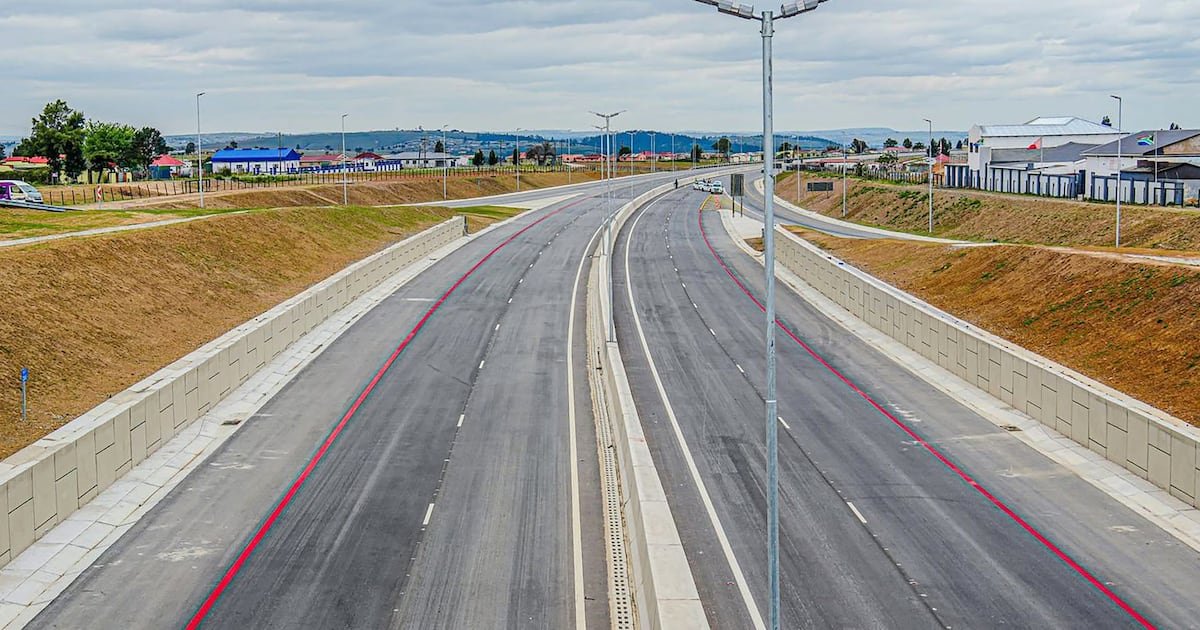
South Africa’s construction industry is in trouble and cracks are widening. Once a pillar of economic growth and a major employer, the industry is facing severe structural and financial distress.
Despite the abundance of opportunities associated with infrastructure investment, the sector remains hampered by fragmented orders, increasing project delays, rising costs, and an alarming number of corporate bankruptcies. Industry data, government reports, and market analysis all indicate that the industry is in urgent need of reform and stabilization.
The sector’s financial performance continues to deteriorate. According to the South African Construction Industry Report 2025, industrial output is expected to contract by 0.5% last year, mainly due to higher material costs, lower private investment and a sustained weakness in housebuilding. The construction material price index rose 1.8% year-on-year in early 2025, further squeezing margins for already low-cost projects.
The weak demand of the past decade has led to fewer orders for major contractors. As reported in the 2025 Construction Book, although there is a R230-billion pipeline of fully-funded infrastructure projects, these opportunities have yet to translate into a broader recovery across large companies, many of which continue to struggle with liquidity challenges and poor performance of existing projects.
Chronic delays and cost overruns continue to characterize the industry. The Nation Building Summit report highlights widespread governance failures, persistent skills shortages and project management inefficiencies, all of which are contributing to time and cost overruns and infrastructure slowdowns across the country.
Recognizing the seriousness of the problem, government and industry stakeholders signed the 2025 Nationbuilding Summit Declaration, a reform agreement aimed at tackling underperformance, blacklisting non-performing contractors and improving accountability across public and private infrastructure customers.
Despite these interventions, real-world challenges still exist. In Infrastructure South Africa, inadequate project preparation and poor budget coordination are regularly cited as reasons why projects cannot move efficiently from planning to execution stage, despite improved approval schedules. Major contractors continue to suffer from liquidity constraints as cash flow dries up due to delayed payments, rising costs and longer project cycles. Industry observers say they are increasingly seeing contractors abandoning sites, going into business rescue, or liquidating assets to keep their businesses afloat.
Despite these interventions, real-world challenges still exist. In Infrastructure South Africa, inadequate project preparation and poor budget coordination are regularly cited as reasons why projects cannot move efficiently from planning to execution stage, despite improved approval schedules.
The sector has also been hit by construction mafia-related turmoil, leading to the cancellation of projects such as the R550-metre Golden Highway renovation, which stalled in June 2025 due to intimidation of contractor staff. Such disruptions drive up costs, lengthen schedules, and increase risk premiums, making large projects increasingly unattractive for contractors.
Rising costs of imported raw materials, currency fluctuations and global freight pressures are also weighing on industry profitability. The 2026 Construction Outlook warns that the price of imported materials is rising and companies need to rethink their sourcing strategies and prioritize local manufacturing capabilities where possible.
These cost pressures are particularly detrimental to long-term projects where fixed-price contracts expose contractors to irrecoverable losses. The result is a vicious cycle. Contractors become increasingly risk-averse, order volumes decline, and fewer bidders compete for large projects.
The implications for South Africa’s infrastructure ambitions are profound. The construction sector is a significant contributor to fixed capital formation, accounting for 35% of gross fixed capital formation and 2.5% of GDP from 2025 onwards. But persistent project delays, contractor failures, and budget discrepancies have undermined the state’s ability to provide energy, transportation, housing, and logistics infrastructure.
The construction industry is at a critical crossroads. Although opportunities exist, governance, skills, financial resilience and structural weaknesses across the supply chain continue to hinder recovery. While we can bring a steady pipeline of infrastructure projects to market, there is a difference between capacity and capacity, and the construction industry lacks capacity.
• Machel is an energy economist and a member of the board of directors of the South African National Transmission Company.
