


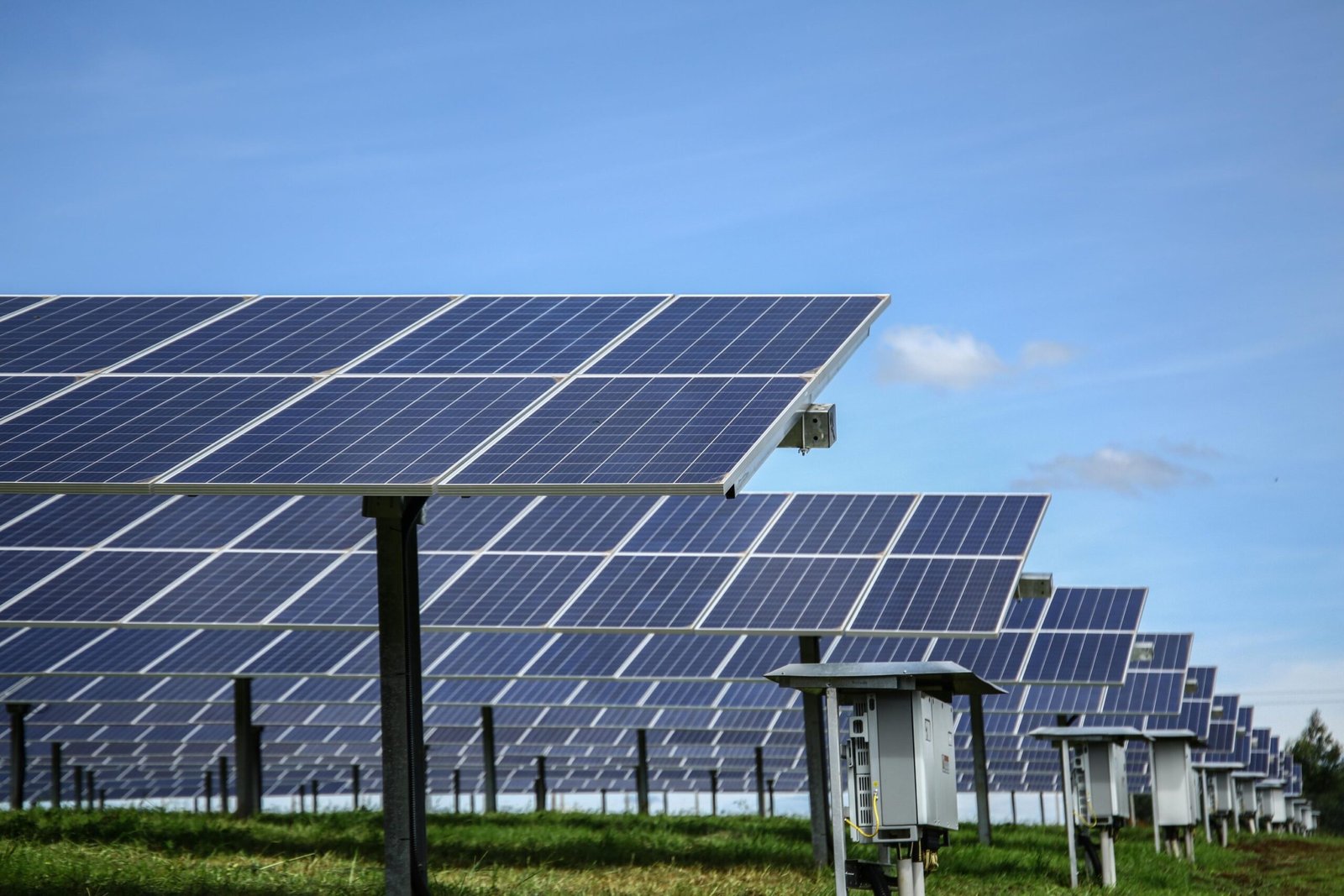
On December 16, 2025, the African Development Fund approved a $23.36 million grant to expand clean and reliable electricity in Bosaso, a port city in northeastern Somalia, aimed at reducing dependence on diesel power generation, reducing electricity costs and strengthening the country’s fragile energy system.
The funding, sourced from the African Development Fund and Transition Support Facility, will finance new solar generation capacity, upgrades to the city’s electricity grid, modern metering systems, and off-grid solar home systems for households that previously lacked access to electricity, including displaced families.
Also read: Angola’s Lobito Corridor secures $753 million in funding to upgrade railways and strengthen strategic mineral supply chain
At the heart of this intervention is the simple but pressing question of how people living in one of Africa’s most energy-poor countries can affordably, reliably and sustainably power their homes, businesses and public services.
Somalia’s electricity situation has long been defined by scarcity and high costs. National access rates hover at around 50%, placing the country among the lowest worldwide. In urban centers like Bosaso, where trade and fishing support local livelihoods, electricity is available but often unreliable and prohibitively expensive. Electricity prices in Somalia can exceed $0.80 per kilowatt hour, which is several times higher than the East African average. This is mainly due to the country’s dependence on imported diesel for power generation.
Small businesses routinely run generators for hours each day, absorbing fuel costs that eat into already thin profits. At home, we limit our electricity use by choosing between lighting, refrigerators, and cell phone charging. In informal settlements and camps for internally displaced persons, access to the electricity grid is rare and kerosene lamps and candles remain common, carrying risks of fire and respiratory illness.
The Bosaso project is designed to slowly but meaningfully change that reality. By adding solar power and integrating battery storage, the city’s power system will reduce its dependence on diesel, stabilize supply, and reduce operating costs over the long term. Power grid upgrades and expansions will allow electricity to reach currently underserved areas, and smart meters will give consumers clearer information about their usage, helping them manage spending in a world where energy costs dominate household budgets.
For households with residential solar power systems, the benefits are more immediate, such as eliminating monthly fuel purchases and grid connection fees for basic lighting, phone charging, and small appliances.
Beyond Bosaso, this project reflects broader changes in the way energy access is approached across Africa’s fragile and conflict-affected countries. Traditional large-scale infrastructure is constrained by weak institutions and security risks, and implementation is often delayed in these situations. Distributed solar power, modular grids and targeted institutional support are emerging as more practical entry points.
Also read: African cocoa, coffee and timber exports face new EU schedule under EU deforestation rules
In countries such as Sierra Leone and South Sudan, similar approaches have helped expand access in urban and peri-urban areas and laid the foundations for stronger regulation and planning. Somalia’s energy sector, fragmented among private operators with limited oversight, will benefit from projects that focus on institutional capacity, such as training for public authorities responsible for planning and regulation.
The economic impact is clear. At the Bosaso market, reliable electricity allows fish traders to store their catch longer, reducing spoilage and increasing income. Tailors, barber shops, and telephone repair shops can operate during predictable hours without having to provide fuel for their generators every day. Clinics and pharmacies can safely store medicines, and schools can extend learning beyond the day.
While the project is expected to create short-term jobs during construction, long-term operations and maintenance will require engineers, meter readers, and system administrators. These skills are in short supply, but increasingly valuable, across the region’s growing renewable energy sector.
Environmental benefits are not visible every day, but they are important. Diesel generators are a major source of urban air pollution in Somalia’s cities and contribute to respiratory illnesses in densely populated areas. Replacing even a portion of that power generation with solar power reduces local pollution and reduces carbon emissions.
Although Somalia’s overall contribution to global emissions is negligible, its vulnerability to climate change is profound. Droughts, floods and rising temperatures have already forced millions of people to flee. An energy system that is less dependent on imported fossil fuels and more resilient to supply shocks is consistent with broader climate adaptation goals across the Horn of Africa.

A $23 million investment alone will not solve Somalia’s energy challenges. National demand far exceeds current supply, and regulatory reform will take time. But the Bosaso project shows how targeted financing, in conjunction with renewable technologies and institutional support, can address pressing needs while aiming for a more sustainable energy future.
For Africa as a whole, with more than 600 million people still without electricity, this lesson is important not only in terms of technology but also in terms of context. Solutions must fit local realities, balance affordability and sustainability, and strengthen systems that keep the lights on long after construction workers leave.
Connect with us on LinkedIn: Sustainability in Africa matters
