


Standard Bank expects public and private investment in SA to reach R700 billion over the next three years due to rail and water infrastructure development, in what could be a rare victory for President Cyril Ramaphosa’s grand plans to revitalize the economy through a private sector-led recovery.
This was revealed by Standard Bank Corporate and Investment Banking (CIB) CEO Luvuyo Masinda at a UBS conference late last year, with investment in rail and infrastructure estimated at R150 billion.
Standard Bank’s CIB business in SA serves large enterprises including multinationals, regional and national companies, governments, state-owned enterprises and institutional clients.
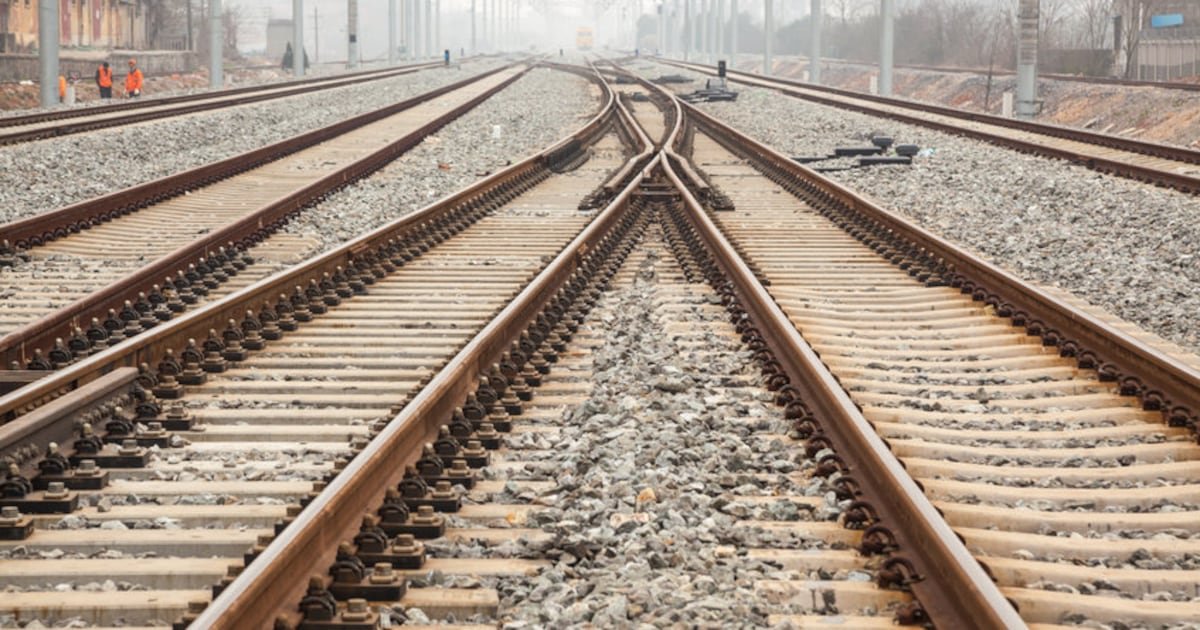
SA’s rail industry is undergoing the most fundamental change in a generation following the government’s decision to proceed with granting the private sector access to more than 21,000km of vast rail infrastructure.
If that happens, the influx of cash and upbeat mood on corporate boards will combine to advance one of the pillars of President Ramaphosa’s plan to boost the economy through a private sector-led recovery.
Business Day reported last week that Transnet Freight Railway’s six rail corridors are suffering from theft, vandalism and in some cases dilapidated systems and require about R14 billion a year to renovate.
Transnet and the New Development Bank agreed in August to “strengthen the efficiency and capacity of SA’s freight rail system. Improvements and modernization of the freight rail sector program will include rail network infrastructure updates, locomotive overhauls and freight car fleet renewals.”
Transport Minister Barbara Creasy approved the publication of the Transnet Network Statement in December. This is a major step in facilitating open access to the country’s rail network by third-party operators, and the move has been welcomed by business and industry stakeholders.
Third-party access will allow private sector freight and passenger transport entities to procure, deploy and operate their own rolling stock on national railways while paying access fees to infrastructure owner Transnet.
The network statement is a significant step forward for the rail industry (and the product providers that rely on rail services), which has been dominated by Transnet, and opens the door to private investment.
The move will also give Transnet the means to reduce its huge debt load, which currently stands at R136 billion and has recently been the subject of credit downgrade monitoring by S&P Global Ratings.
The move is also expected to ease pressure on the road network.
Bank of America Securities said it expects corporate borrowing activity and “positive externalities from infrastructure spending” to support CIB lending growth in SA by 14% in the first half of 2025 “on the back of a strong bank-focused deal pipeline, SA infrastructure investment, lower interest rates, rising business confidence and improving economic growth.”
Jason Swartz, portfolio manager at Old Mutual Investment Group, said improving logistics, particularly through Transnet, was essential for growth and the next stage of reform needed to focus on investment in the private sector, particularly infrastructure.
“With the first phase of Operation Brindlera, which focused primarily on regulatory intervention, now complete, the next phase must embrace private participation and investment as a priority. SA’s gross fixed capital formation has been in a structural decline for several decades, while private investment spending has fallen significantly compared to its peak in 2008-2009, and private sector capital investment intentions are currently at low levels,” he said.
“However, some policy work has begun. For example, the Private Sector Partnership Framework approved by Cabinet in 2023 provides a model to enable effective private sector investment and participation in the SA rail sector. However, the government needs to do more to encourage businesses to have the confidence to drive private investment, particularly in the infrastructure sector.”
Mr Ramaphosa said the second phase of Operation Brindlela, a joint initiative between the Office of the President and the National Treasury to accelerate structural reforms, would focus on reforming local government systems and improving the delivery of basic services.
khumalok@businesslive.co.za
