Close Menu
Xsum NewsXsum News

    Stay Updated.

    Get the latest Africa-focused business & infrastructure news and more directly to your inbox.

    What's Hot

    Africa risks losing $415 billion a year without sustainable finance

    Breaking down barriers to private sector investment to build resilience on West Africa’s coasts

    Cape Verde secures €17.7 million from African Development Bank, what digital transformation plan actually means for Africa’s future

    Facebook X (Twitter) Instagram
    Trending
    • Africa risks losing $415 billion a year without sustainable finance
    • Breaking down barriers to private sector investment to build resilience on West Africa’s coasts
    • Cape Verde secures €17.7 million from African Development Bank, what digital transformation plan actually means for Africa’s future
    • FG Gold, AFC and Afreximbank close on USD 330 million senior debt financing for Baomafun Gold Project — TradingView
    • Africa needs to build its own cybersecurity intelligence, Tisel CEO says at AfriTech 5.0 – Nigerian CommunicationWeek
    • SA construction comes roaring back: 10% jump signals sector revival
    • Comoros to win subsidy from AfDB for geothermal project
    • Gabon strengthens regional energy profile with minister’s participation in MSGBC 2025
    X (Twitter) Instagram YouTube LinkedIn TikTok
    Xsum NewsXsum News
    • African Development Bank
    • Africa Finance Corporation
    • All Africa – Construction & Infrastructure
    • Africa Intelligence
    • Construct Africa
    • More
      • Mining Review Africa
      • Energy Capital Power
      • Sustainability & Climate-Resilient Infrastructure
      • Private-Sector Infrastructure Players
      • Urban Development & Housing
    Xsum NewsXsum News
    You are at:Home»More»Sustainability & Climate-Resilient Infrastructure»Building climate-resilient cities: green-gray infrastructure accelerators in sub-Saharan Africa
    Sustainability & Climate-Resilient Infrastructure

    Building climate-resilient cities: green-gray infrastructure accelerators in sub-Saharan Africa

    Xsum NewsBy Xsum NewsNovember 17, 2025No Comments3 Mins Read0 Views
    Facebook Twitter Pinterest Telegram LinkedIn Tumblr Email Reddit
    Share
    Facebook Twitter LinkedIn Pinterest WhatsApp Email

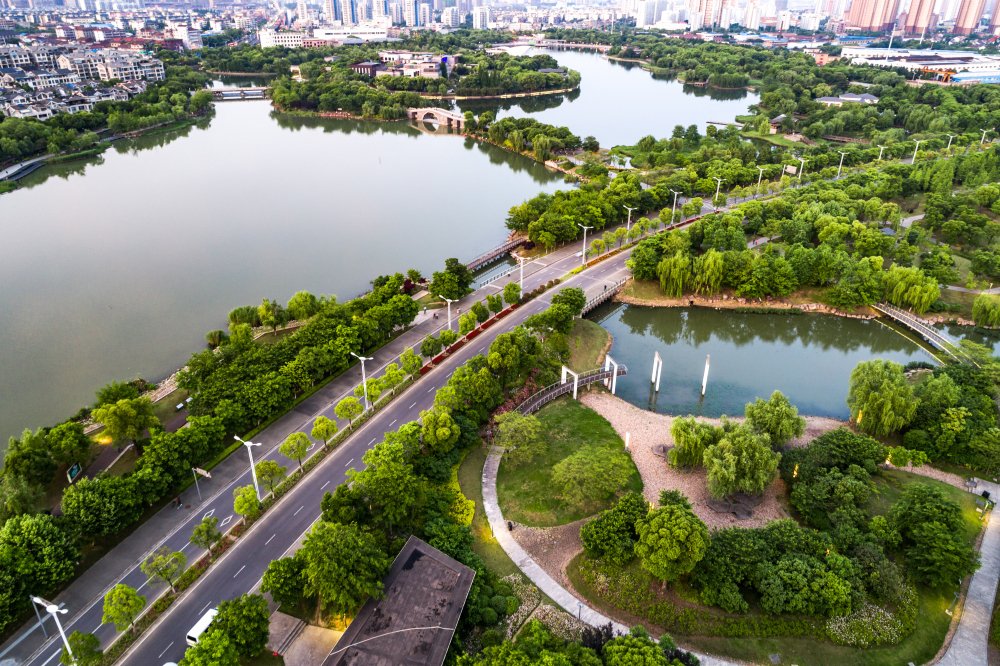
    Cities in sub-Saharan Africa face increasing climate risks, including drought, extreme heat and frequent flooding. These challenges threaten public health, livelihoods, and economies. By 2050, 85% of Africa’s urban population will experience temperatures above 35 degrees Celsius for at least eight days a year, worsening heatstroke and reducing worker productivity. At the same time, rapid changes in land use are accelerating biodiversity loss and weakening critical ecosystem services that sustain urban life.

    The region’s urban population is expected to double by 2050, making addressing infrastructure gaps more important than ever. The Green-Gray Infrastructure (GGI) Accelerator works to support cities in sub-Saharan Africa by increasing their resilience to climate change through nature-based solutions (NBS) and hybrid green-gray infrastructure. This initiative not only strengthens city infrastructure, but also creates green jobs and provides public health benefits.

    Green-gray infrastructure integrates natural ecosystems such as forests, wetlands, and mangroves (“green”) with traditional man-made systems such as seawalls, stormwater drains, and water treatment plants (“grey”). By leveraging the strengths of both approaches, cities can strengthen resilience, protect biodiversity and support sustainable development.

    Read more: Strategies for cities to adapt and thrive in a changing climate

    Cities that lead the way

    The first cohort of the GGI Accelerator consists of 11 cities in seven countries.
    Ethiopia: Addis Ababa, Dire Dawa
    Rwanda: Kigali, Musanze
    South Africa: Johannesburg, Gkebela
    Democratic Republic of the Congo: Bukavu, Uvira
    Kenya: Nairobi
    Ghana: Kumasi
    Republic of Congo: Brazzaville

    These cities receive comprehensive technical assistance to implement context-sensitive, climate-resilient infrastructure projects that improve liveability, equity, and environmental sustainability.

    The accelerator provides end-to-end support in five key areas:

    Policy guidance and institutional development We help cities integrate NBS and GGI into their policy and urban planning frameworks. Raise government, donor and community awareness through locally tailored research that aligns strategies with climate and water resilience goals.

    2. Project development and implementation

    Perform risk and opportunity assessments to identify the most effective solutions.
    Support gender and social equity responsive planning. Provide technical assistance for species selection, stakeholder engagement, and project monitoring.

    3. Funding, financial and economic analysis

    Connect cities with funders and investors. Develop business cases and financial structures to improve project bankability. Host an investor roundtable to enable sustainable financing.

    4. Peer learning and development

    Facilitate knowledge exchange between cities and share best practices. Enhance your technical expertise in planning, implementation, and maintenance.

    5. Communication and stakeholder engagement

    Increase visibility of NBS and GGI efforts. Engage policymakers, communities, and investors to accelerate adoption and scale-up of solutions.

    collaborative efforts

    The GGI Accelerator is led by WRI Africa, Cities4Forests, and the Urban Water Resilience Initiative, with funding from DANIDA and the WRI Ross Center for Sustainable Cities. It is also in collaboration with the SUNCASA project supported by the Government of Canada.
    The GGI Accelerator powers sub-Saharan Africa’s transformation to climate-resilient urban infrastructure by providing cities with the tools, expertise, and financial support they need.
    Cities and stakeholders interested in joining or supporting this initiative can join the program to advance the adoption of sustainable infrastructure solutions. Together, we can build greener, more resilient and inclusive urban spaces for future generations.

    accelerators Africa Building cities climateresilient greengray infrastructure subSaharan
    Share. Facebook Twitter Pinterest LinkedIn Reddit WhatsApp Telegram Email
    Previous ArticleAfDB and Equatorial Guinea approve action plan to improve development project performance
    Next Article ShafDB and African Union sign agreement to address Africa’s housing and urban development challenges
    Xsum News
    • Website

    Related Posts

    Africa risks losing $415 billion a year without sustainable finance

    December 6, 2025

    Africa needs to build its own cybersecurity intelligence, Tisel CEO says at AfriTech 5.0 – Nigerian CommunicationWeek

    December 6, 2025

    Water resource management is the key to sustainable development in Africa

    December 5, 2025
    Leave A Reply Cancel Reply

    Top Posts

    A United Continent on the Move: Ambassador Kouyateh’s Call for an African Logistics Renaissance

    November 20, 202527 Views

    2 Core infrastructure for African submarine cable completed China Mobile advances digital intelligence development in Africa

    November 20, 202512 Views

    LIBERIA’S DEVELOPMENT AGENDA GAINS GLOBAL ATTENTION

    November 18, 202511 Views

    Africa’s clean cooking drive depends on carbon credit reform and transport upgrades

    November 25, 202510 Views
    Don't Miss
    Sustainability & Climate-Resilient Infrastructure December 6, 2025

    Africa risks losing $415 billion a year without sustainable finance

    Unless sustainable financing sources are secured to improve infrastructure, particularly in the energy sector, Africa…

    Breaking down barriers to private sector investment to build resilience on West Africa’s coasts

    Cape Verde secures €17.7 million from African Development Bank, what digital transformation plan actually means for Africa’s future

    FG Gold, AFC and Afreximbank close on USD 330 million senior debt financing for Baomafun Gold Project — TradingView

    Stay In Touch
    • Twitter
    • Instagram
    • YouTube
    • LinkedIn
    • TikTok

    Stay Updated.

    Get the latest Africa-focused business & infrastructure news and more directly to your inbox.

    About Us
    About Us

    Xsum News is Africa’s digital window into the future of business. We tell stories of innovation, enterprise, and investment that are shaping the continent’s economic rise. African Business, Added Up.

    X (Twitter) Instagram YouTube LinkedIn TikTok
    Our Picks

    Africa risks losing $415 billion a year without sustainable finance

    Breaking down barriers to private sector investment to build resilience on West Africa’s coasts

    Cape Verde secures €17.7 million from African Development Bank, what digital transformation plan actually means for Africa’s future

    Most Popular

    African Development Bank praises Algeria’s development model, aims to replicate its success across the continent

    Considering the redefinition of African capital by UBA and Arauba

    G20 Energy Investment Forum brings together Africa’s top finance, insurance and technology leaders

    © 2025 Xsum News. All Rights Reserved.
    • 🌍 About Xsum News
    • 📬 Contact us
    • Privacy Policy
    • Terms & Conditions
    • Disclaimer

    Type above and press Enter to search. Press Esc to cancel.