


Climate change is increasingly recognized as a major public health concern across Africa, particularly in rapidly growing urban centres. Health experts and policy leaders are drawing attention to the relationship between environmental change, population growth and infectious diseases, warning that the health consequences could be significant if proactive measures are not taken.
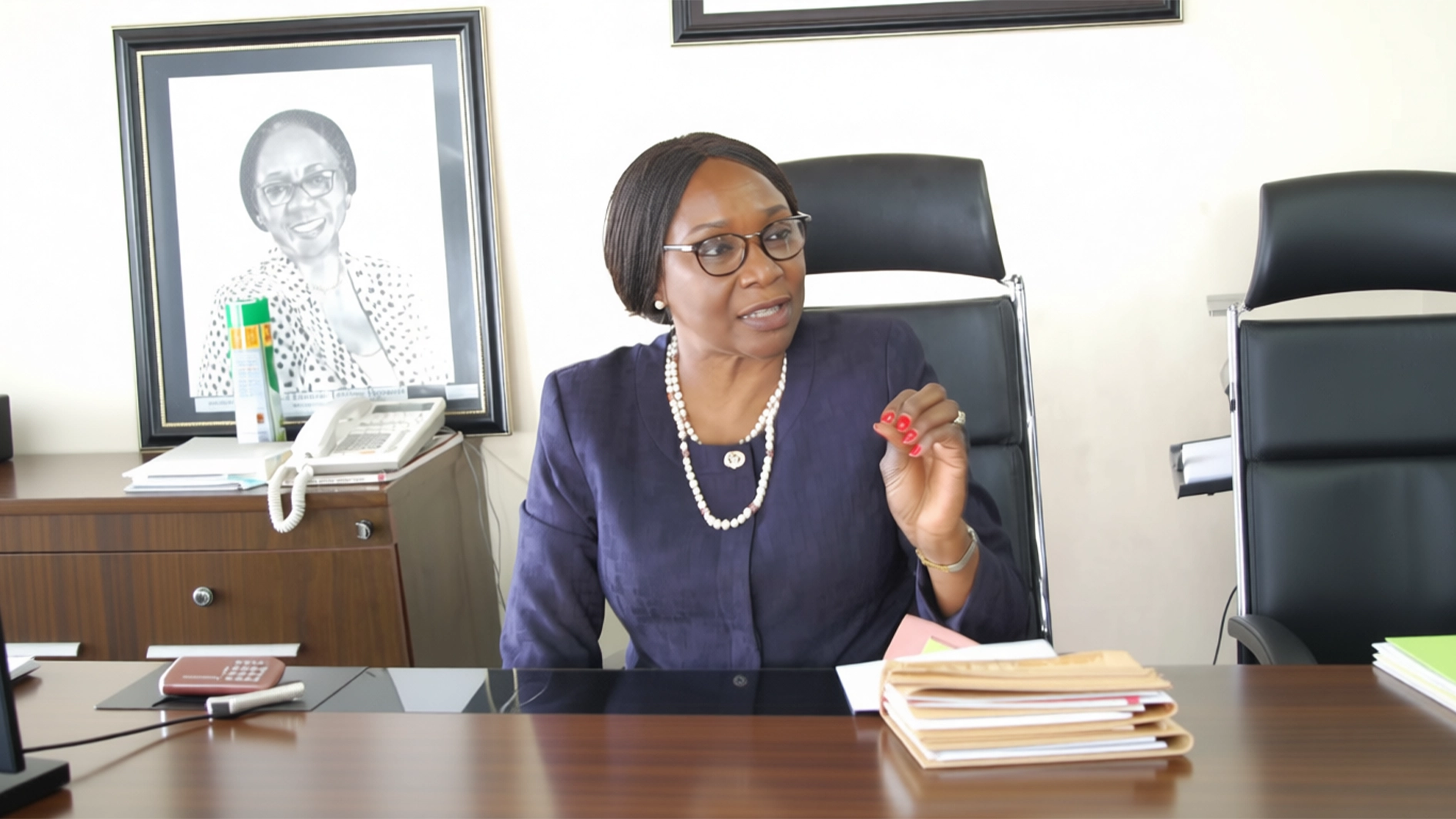
This was the focus of the first special lecture at the Federal University of Health Sciences, Ira-Orangun, delivered by the Vice-Chancellor of the University of Lagos, Professor Folasade Ogunsola.
In his speech, Ogunsola explained that climate change now needs to be understood not only as an environmental problem, but also as a public health challenge that directly affects urban populations. He noted that rising temperatures, unpredictable rainfall and extreme weather events are already impacting communities across Africa. These changes affect water supply, sanitation, food production and living conditions, all of which play important roles in determining health impacts, she said.
“Africa’s cities are expanding rapidly as people move in search of economic opportunity, education and improved living standards. This population growth is putting pressure on housing, water supplies, waste management and health services. In many cases, infrastructure has not kept pace with population growth, resulting in overcrowded settlements and limited access to basic services.”
“These conditions create an environment in which infectious diseases can spread more easily. Limited sanitation, unsafe water sources, and overcrowded housing increase exposure to disease-causing microorganisms. Climate-related disruptions further heighten these risks as they affect the stability and availability of essential services.”
“Changes in rainfall patterns are one of the most significant effects of climate change. Some regions experience dry spells, while others experience heavy rains and flooding. Floods can damage sanitation systems, contaminate water sources, and increase the risk of diarrheal diseases and other infectious diseases.”
“Water scarcity also poses serious problems. During periods of drought, reduced water availability can limit hygiene practices and force communities to rely on unsafe water sources. This increases exposure to water-borne diseases and impacts overall health.”
Ogunsola also noted that rising temperatures will have a further impact, adding that urban environments tend to retain heat due to dense buildings and limited vegetation.
According to her, this creates warm conditions that affect human health and affect the survival and reproduction of disease-carrying microorganisms.
“Mosquito-borne diseases are particularly sensitive to environmental conditions. Rising temperatures and increased precipitation can expand mosquito habitat and lengthen the transmission period. This increases the risk of diseases such as malaria, dengue and chikungunya, which remain a major public health concern in many African countries.”
“Air quality is also an important factor. Urban growth is often accompanied by increased use of vehicles, generators, and household fuel sources, which contribute to air pollution, damaging the respiratory system and increasing vulnerability to infectious diseases such as pneumonia and influenza.”
“Environmental conditions also affect food production. Changes in rainfall and temperature can reduce crop yields, leading to food shortages and high food prices. Malnutrition weakens the immune system and increases susceptibility to disease, especially among children and vulnerable populations.”
In addition to infectious diseases, Ogunsola said climate change is contributing to a wide range of health risks, noting that exposure to heat increases the incidence of heat-related illnesses, while air pollution can contribute to respiratory and cardiovascular diseases.
“These combined effects place additional pressure on the health system,” she noted.
It also said climate-related events such as floods and storms could disrupt access to health services.
“Damage to roads, health facilities, and electricity supplies can prevent people from receiving timely treatment. Also, displacement due to environmental disasters can increase disease transmission due to overcrowding and limited sanitation.”
Mr. Ogunsola explained that these challenges are closely linked to patterns of urban development, stressing that rapid urban growth without proper planning can increase vulnerability to environmental disasters and health risks.
Focusing on Nigeria, Ogunsola argued that the country reflects many of these trends, adding: “Nigeria’s population continues to grow rapidly and more people are living in urban areas. Cities like Lagos face significant challenges related to housing, sanitation, water supply and waste management.”
“Informal settlements are particularly vulnerable. Residents often lack access to clean water, adequate sanitation, and adequate shelter. These conditions increase the risk of infectious diseases, especially during periods of flooding and water scarcity.”
“Coastal cities face additional risks from rising sea levels. Flooding and coastal erosion can damage infrastructure and contaminate water supplies. This increases the likelihood of disease outbreaks and impacts long-term urban stability.”
Pointing to other health issues related to climate change, Ogunsola said, “Climate change also affects the distribution of disease-carrying microorganisms. Changes in temperature and rainfall change the habitat of mosquitoes and other vectors, which can spread diseases to new areas.”
“Environmental degradation can also increase the risk of zoonotic diseases transmitted between animals and humans. Changes in land use and habitat can increase contact between human populations and wildlife, creating opportunities for disease transmission.”
“Air pollution remains a major concern in urban areas. Emissions from transportation, electricity generation, and household fuel use contribute to poor air quality. Exposure to polluted air weakens respiratory defense systems and increases vulnerability to infectious diseases.”
She submitted that health systems face increasing pressure as a result of these combined challenges, stressing that the increasing disease burden, population growth and environmental degradation require stronger and more resilient health services.
She called for disease surveillance, noting that it plays an important role in protecting public health.
“Early detection of outbreaks allows for faster responses and prevents wider spread. Strengthening surveillance systems improves preparedness and response capabilities.”
“Infrastructure development is equally important. Reliable water supplies, effective sanitation systems and good waste management reduce the risk of disease and improve health outcomes.”
“Urban planning helps reduce environmental health risks. Expanding green space improves air quality and reduces heat levels. Proper drainage systems reduce flooding and protect water sources.”
“Access to health services is essential to improving health outcomes. Ensuring that health facilities are available and accessible enables timely diagnosis and treatment of diseases.
“Public education also plays an important role. Providing communities with information about hygiene, hygiene, and disease prevention can help reduce exposure and improve overall health.”
“Technology can support public health efforts. Digital systems can better monitor disease trends and improve response coordination. Early warning systems can help communities prepare for extreme weather events.”
“Policy coordination is essential to address the link between climate change and health. Integrating climate change considerations into health planning can ensure effective and sustainable responses.”
“Investing in climate-resilient infrastructure has long-term benefits. Strengthening water systems, improving housing, and protecting environmental resources reduce vulnerability and improve public health.
“Regional cooperation also supports effective responses. By sharing knowledge, research and resources, countries can more effectively address common challenges.”
Ogunsola stressed that climate change is already impacting health outcomes, adding that proactive planning is needed to reduce future risks. He noted that addressing environmental health challenges requires coordinated action across sectors.
“Africa’s growing urban population presents both challenges and opportunities,” Ogunsola said, while considering long-term plans to address the challenges. “While rapid growth increases pressure on infrastructure and services, it also provides opportunities to implement improved planning and development strategies.”
“Strengthening urban health systems is essential to protecting people’s health. Investments in infrastructure, health care and environmental protection can reduce risks and improve resilience.”
“The relationship between climate change and health highlights the importance of long-term planning. Integrating health considerations into environmental and urban planning supports sustainable development.”
“Experts emphasize that actions taken now will determine future health outcomes. Strengthening infrastructure, improving access to health care, and addressing environmental risks can protect communities and support economic stability.”
The speech emphasized the need to continue paying attention to the health impacts of climate change. Therefore, as Africa’s cities continue to grow, coordinated efforts will be essential to ensure that urban development supports both environmental sustainability and public health.
