


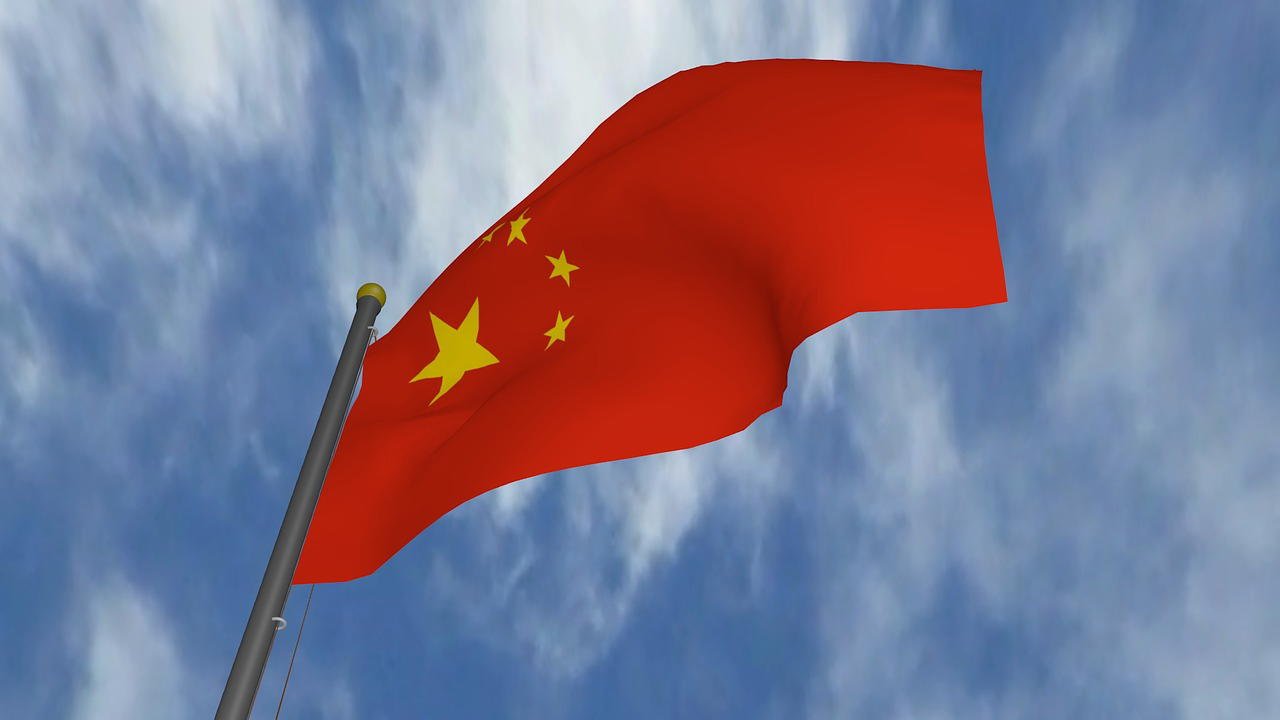
Chinese Ambassador to Nigeria Yu Dunhai has announced the country’s plans to build Africa’s first local insulin production facility in Nigeria.
Mr. Yu disclosed this on Wednesday at a reception to commemorate the 76th anniversary of the founding of the People’s Republic of China in Abuja.
He said this would transform blood sugar management, prevent diabetes-related complications and eliminate dependence on imported insulin.
“Chinese companies are in talks with Nigeria to build Africa’s first local insulin production facility, which could end Nigeria’s dependence on imported insulin and position Nigeria as a hub for medical biotechnology in Africa.”
He said, “This project is part of the tangible benefits of China-Nigeria cooperation, along with the recently completed 480 cubic meters per day Abuja water supply project, which currently provides clean water to about 3 million people.”
Mr. Yu also emphasized China’s long-standing support for African development, promoting an equal, pragmatic and efficient cooperation model.
He said China remains committed to supporting Africa’s integration and strengthening its self-development capabilities.
The envoy also reflected on the symbolism of both countries celebrating their National Foundation Day on October 1st.
“China’s National Day and Nigeria’s Independence Day both fall on the same October 1st. This is a common national memory that unites the people of both countries,” he said.
He also praised individual stories of friendship and cooperation.
“Just recently, Ms. Issa Fatima Abiola, better known by her Chinese name Baiyang, was awarded the China Friendship Envoy Award, one of only six people in the world, as the first Nigerian female train driver trained by CCECC.
“Her story has inspired many Nigerian women to strive for independence and has become a shining symbol of friendship between China and Nigeria.
“Equally impressive is Ibrahim Ismail, a boy who attends a bilingual school in Kano.
“When I first saw the video of Ibrahim speaking Mandarin, I was completely surprised. Not only is he fluent, he has no accent. Ibrahim is with us today,” he said.
He also praised Nigeria’s move to add Chinese language to the new high school curriculum.
“I think this is great news. It will be an important bridge to deepen the friendship between China and Nigeria,” he said.
The Vice-President of the Senate, Senator Balau Jibrin, also conveyed President Bola Tinubu’s greetings to China, praising China’s transformational journey and contribution to strengthening bilateral relations.
Mr. Jibrin, who was represented by Senator Babangida Hussaini, emphasized Nigeria’s determination to strengthen cooperation with China in key areas.
“In recent decades, the relationship between Nigeria and China has evolved into a comprehensive strategic partnership.
“This is a partnership defined not only by agreements, but also by concrete outcomes in infrastructure, energy, agriculture, education, defence, trade and investment.
“As Nigerian legislators, we are committed to providing an enabling environment, legal framework and oversight mechanisms to ensure these partnerships remain transparent, sustainable and impactful for the benefit of future generations,” he said.
