


The World Bank Group’s contribution consists of $24.64 million from its concessional lending window, the African Development Fund, and a further $5.21 million from the African Development Bank. The remaining funding will be provided by the Rwandan government.
The African Development Bank Group’s Board of Directors has approved a new $29.85 million loan for the Rwanda Biomedical Engineering Center of Excellence and e-Health Project Phase II. The project is a $33.64 million project to build future-ready skills and strengthen the country’s health system.
The World Bank Group’s contribution consists of $24.64 million from its concessional lending window, the African Development Fund, and a further $5.21 million from the African Development Bank. The remaining funding will be provided by the Rwandan government.
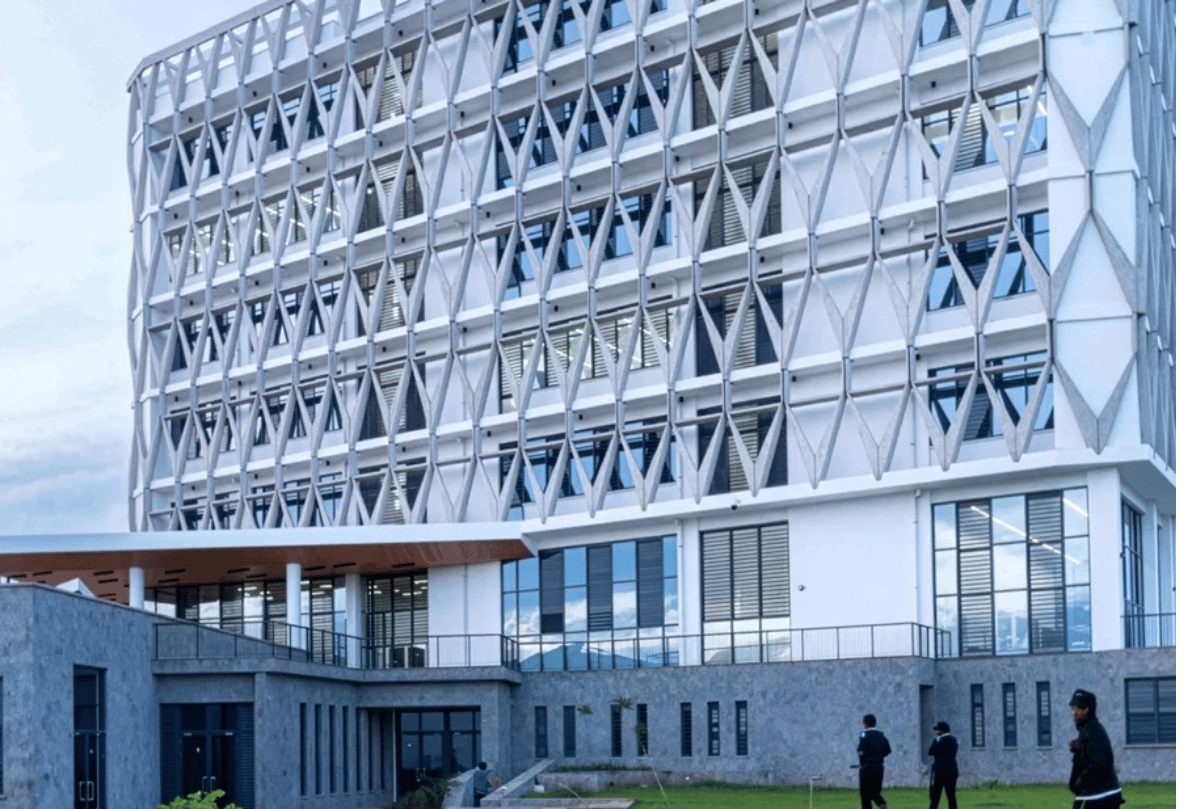
The project will expand and upgrade the Center of Excellence at Kigali Innovation City, a growing technology hub in the capital, by strengthening academic programs and student training, strengthening private sector collaboration, building new facilities including state-of-the-art laboratories, and procuring advanced equipment.
The second phase of the project will build on the success of the first phase by directly training 470 students in the fields of biomedical engineering, rehabilitation and mobility science, and digital health at master’s and bachelor’s levels. Most of the beneficiaries will be young people from Rwanda and other East African Community countries. The project will also train academic staff at the University of Rwanda at doctoral and postdoctoral level to ensure and sustain high quality teaching and research.
It will also support curriculum reform, accreditation, and collaborative research with major international organizations. The project will further promote regional integration with other regional centers of excellence through student and faculty exchanges, regional knowledge-sharing events, collaborative research initiatives, and entrepreneurship support programs.
A key innovation in Phase II is the creation of a Biomedical Innovation Park that will enable students, researchers, and private companies to design, test, and produce medical technologies that address local and regional needs.
The broader community will benefit in important ways. Hospitals and clinics will have access to locally trained professionals who can install, maintain and repair medical equipment, reducing delays in treatment and reliance on imported technicians and solutions, ultimately reducing the cost of healthcare services.
Rural and urban communities are expected to expand access to quality health care. Digital health tools and telemedicine make it easier for large hospitals to reach patients who live far away. Over time, improved skills and technology will support better diagnosis, safer treatment, and stronger health services across the country.
The project is expected to create hundreds of short-term jobs during the construction phase, primarily for young people. In the long term, it is expected to support new medical technology businesses, attract research funding, create skilled jobs and foster innovation.
“This project will equip young people with world-class skills while bringing better health services closer to families. It is an investment in talent, innovation and the well-being of our communities.”
– Hendrina Dorova, Banking Group Manager, Education and Skills Development, AfDB
Following approval on January 9, the project will be implemented by the Rwandan government through the University of Rwanda and will run until 2030. This project is in line with Rwanda’s long-term vision to build a knowledge-driven economy and a resilient and inclusive health system.
