


As countries and industries move from ambition to implementation of sustainability strategies, South Africa is at a pivotal moment to redefine infrastructure as a vehicle for climate-resilient development, economic inclusion and measurable environmental impact, moving beyond traditional engineering achievements to holistic, human-centered systems. In 2026, the sustainability narrative is expected to change globally. Companies and investors are prioritizing execution over aspirations, and corporate strategies are focused on outcomes that deliver resilience, competitiveness, circularity, and measurable ESG performance. This shift is in line with broader trends in sustainable finance, where Africa continues to face a gap between investment needs and available capital for infrastructure and climate adaptation, despite increasing sustainable debt and climate finance flows.
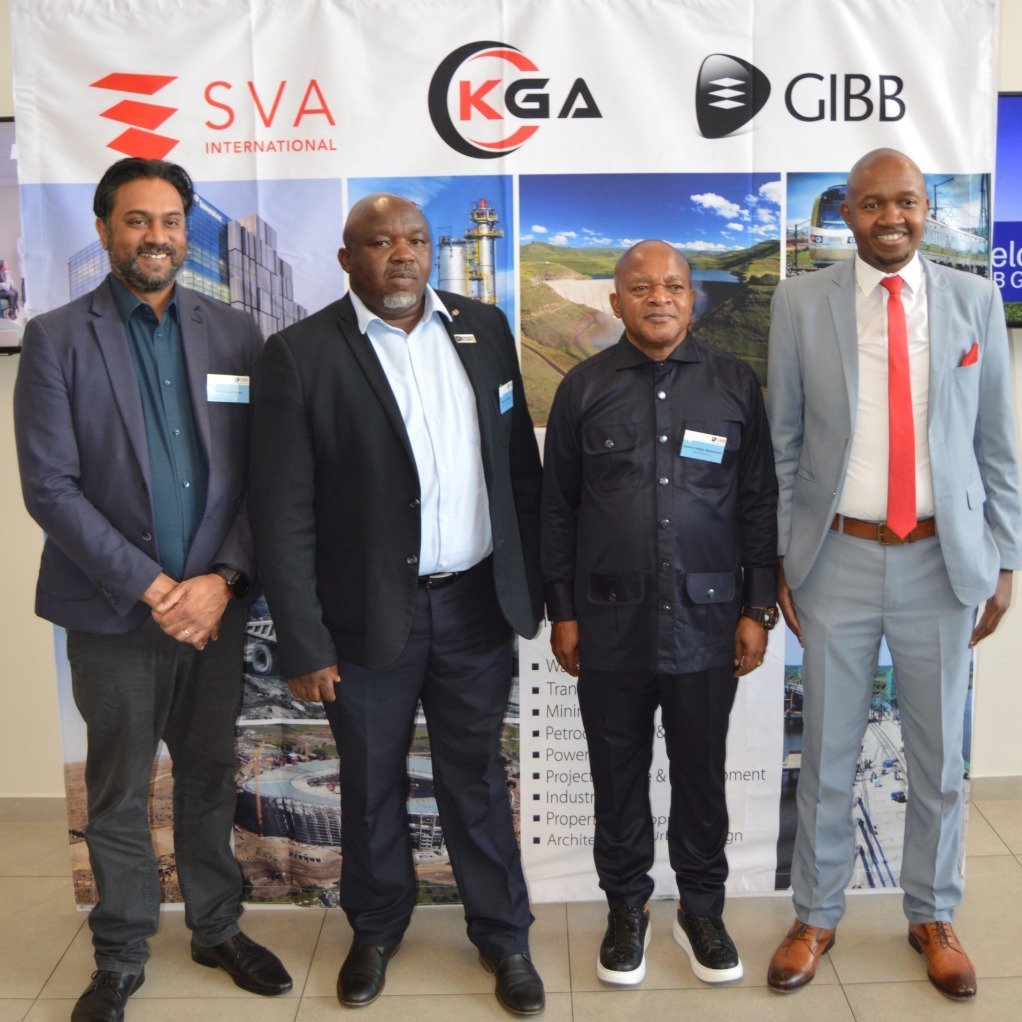
These themes were at the heart of a recent industry roundtable hosted by engineering and architecture firm GIBB, where leaders across the built environment reflected on the structural changes needed to move South Africa from ambition to action.
Vishal Latchman, CEO of GIBB Group, pointed out that by 2026, sustainability can no longer be treated as a project-level consideration, but must become an organizing principle for infrastructure systems that integrate economic growth, environmental responsibility, social uplift and cultural relevance into a single enabling framework. He argued that infrastructure must be human-centered and designed with long-term sustainability in mind, rather than short-term outcomes.
A persistent challenge hindering delivery is fragmentation across policy, planning, procurement, and execution. Siled approaches weaken accountability and limit value creation. The roundtable emphasized the need for ecosystem-based thinking, where public and private actors collaborate across value chains to connect people to opportunities and provide infrastructure that supports economic participation. The declining contribution of infrastructure to GDP further highlights the urgency for reform. GIBB General Manager: Engineering, Procurement and Construction Management Ntshavheni Phidza noted that inadequate maintenance, underinvestment, and constrained transport and logistics networks continue to limit trade efficiency and market access. Reversing this trend will require smarter investment prioritization, certainty in long-term planning, and reliable public-private partnerships.
Transformation and inclusion remain equally important. Danny Massimene, president of the Black Business Council in the Built Environment, highlighted how weak enforcement of procurement laws and concentrated supply chains continue to hinder meaningful participation by start-ups. To unlock sustainable value, it is essential to shift procurement models from lowest cost outcomes to quality, resilience and measurable social impact. Governance and professional excellence were recognized as non-negotiable. South African Project and Construction Management Professional Council president Lufno Latsik warned that declining professional standards and limited accountability were threatening delivery results and public trust. Results-based contracting, skills transfer and enforceable professional oversight are essential to improving quality and restoring confidence in the sector.
In conclusion, the main outcome that our panelists have worked to implement within their organizations is a decisive shift towards a comprehensive, bottom-up planning model that reflects community needs and local realities. By aligning governance, investment and skills development within an integrated ecosystem, South Africa can unlock infrastructure that not only supports economic growth but actively promotes social equity and long-term resilience.
