


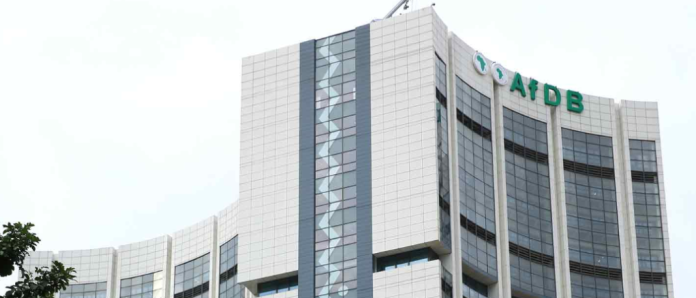
The African Development Bank (AfDB) has approved a $3.9 million, two-year technical assistance program to help 13 African countries transform their national energy commitments into real electricity connections to homes, schools, hospitals, and businesses.
The initiative, called AESTAP Mission 300 Phase II, aims to accelerate the implementation of the National Energy Compact under Mission 300, a joint effort between the AfDB and the World Bank to connect 300 million Africans to electricity by 2030. The bank’s board of directors approved the project on January 30, 2026, shifting the focus from planning to actual implementation.
The Energy Compact is a government-led plan that outlines how countries will expand electricity access, strengthen utilities and attract private investment. Over the past year, dozens of African governments have launched these agreements, supported by strong political commitment and support from development partners.
However, the AfDB says translating plans into actual electricity connections remains the biggest challenge. The bank noted that many countries are rolling out agreements with high-level political support, but continued technical support is needed to move from policy commitments to actual implementation.
The 13 beneficiary countries are Chad, Gabon, Tanzania, Mauritania, Democratic Republic of Congo, Kenya, Nigeria, Madagascar, Ethiopia, Malawi, Lesotho, Namibia, and Uganda. These countries will receive practical support over the next 24 months to overcome bottlenecks slowing their electrification efforts.
The program will help governments plan frameworks and tariffs to improve electricity regulation and enable investment. It also strengthens the nation’s utilities to reduce system losses and improve reliability. Additionally, the project will support better data collection, research, and mutual learning through tools such as electricity regulation indices and regional energy forums.
Expert advisors will be incorporated into the country’s Compact Delivery Monitoring Unit (CDMU) to help the government coordinate reforms across departments and track progress more effectively. These departments are located within the government and are responsible for managing and monitoring the implementation of energy reform.
Wale Shonibare, Director of Energy Finance Solutions, Policy and Regulation at AfDB, said the initiative represents a decisive change in implementation. “Countries have made bold commitments through the Energy Compact. Now, through AESTAP Mission 300 Phase II, we are helping them deliver on their commitments to bring practical electricity to more households, entrepreneurs and communities,” he said.
This approval follows AESTAP Mission 300 Phase I, which the bank approved in December 2025. In Phase I, approximately $1 million was provided to support the establishment and operation of CDMUs in each country. That first phase focused on staffing, training, setting up monitoring tools, and helping countries plan their next steps.
Phase II will build on this foundation by providing the technical assistance needed to implement the planned reforms. The project will be executed in coordination with Mission 300 partners, including the World Bank, national governments, and development agencies to ensure alignment and avoid duplication.
According to an AfDB document, nearly 600 million people in Africa lack access to electricity, representing 43 percent of the continent’s population. Additionally, over 1 billion people lack access to clean cooking solutions. This continent is home to 20 percent of the world’s population, but uses only 3 percent of its electricity.
According to the International Energy Agency (IEA), electricity demand is expected to increase by 75% from 680 terawatt hours (TWh) in 2020 to 1,180 TWh by 2030. Without targeted interventions, the number of people without electricity could rise to 900 million by 2050.
Africa has significant renewable energy potential, including solar, hydro, wind and geothermal resources. However, structural barriers remain, including weak utility governance, non-cost-reflective rates, fragmented planning frameworks, and insufficient regulatory capacity.
Mission 300 represents one of the most ambitious power access initiatives on the continent. The initiative aims to address access to electricity as a foundation for economic growth, job creation, service delivery and climate resilience. The program aims to create the conditions for a massive scale-up of investments in electricity infrastructure across participating countries.
In January 2025, 48 African countries endorsed the Dar es Salaam Energy Declaration, establishing continent-wide political engagement and aligning Mission 300 with the African Union’s Agenda 2063 development framework. This declaration demonstrated a high level of political will to accelerate electrification across the region.
Malawi and Nigeria have already established fully operational CDMUs, and other Cohort 1 countries are in advanced stages of staffing their units and obtaining legal approval. These countries include Senegal, Ivory Coast, Zambia, Niger, and Liberia, in addition to those receiving Phase 2 assistance.
Each CDMU is typically located in the office of the president, prime minister, or cabinet minister and is empowered to coordinate reforms across departments. Responsibilities include developing projects and funding pipelines, identifying bottlenecks, integrating clean cooking and gender priorities, and tracking progress through the Mission 300 Compact Monitoring Tool.
The African Energy Sector Technical Assistance Program (AESTAP) provides technical assistance, coordination tools, and reform expertise to help governments move from promise to delivery. The program provides what stakeholders describe as the connective tissue for Mission 300, ensuring countries have both the technical and institutional capacity to meet their electrification goals.
AESTAP Mission 300 Phase II provides a platform for governments, utilities, regulators, investors, and development partners to accelerate transformation and attract private capital. The bank expects the program to help focus private sector investment by improving the regulatory environment and utility performance.
Phase II will focus on practical and targeted support tailored to each country’s specific circumstances and challenges. Embedded advisors will work directly with government teams to address implementation barriers, coordinate stakeholder engagement, and ensure that reforms proceed according to the timelines outlined in the Energy Compact.
The program also focuses on learning and knowledge exchange between countries. The Regional Energy Forum and Electricity Regulation Index will enable participating countries to share experiences, compare approaches and adopt best practices from countries facing similar challenges.
The AfDB’s latest approval signals the growing importance of electricity supply discipline, as electricity access is central to sustainable development. The bank aims to ensure that political initiatives lead to tangible results that improve lives across the continent.
The initiative comes as African countries seek to address persistent infrastructure deficiencies that constrain economic development. Reliable electricity access is widely recognized as essential for industrialization, digital transformation, healthcare delivery, quality of education and poverty reduction.
Mission 300 partners are committed to providing financial and technical resources to support participating countries. The World Bank, Rockefeller Foundation, Global Energy Alliance for People and Planet (GEAPP), and Sustainable Energy for All (SEforALL) are key supporters of this initiative.
The success of this program depends on sustained political commitment, effective coordination between government agencies, regulatory reforms to attract investment, and utility improvements to enhance service delivery. AfDB expects its technical assistance to strengthen all these elements across recipient countries.
For the millions of African households currently without electricity, this program represents hope for improved living conditions. Access to reliable electricity enables income-generating activities, extends productive time, supports education through better lighting, and improves health outcomes by powering health facilities and enabling food refrigeration.
The Bank will monitor implementation progress through regular reporting mechanisms and performance indicators linked to each country’s Energy Compact. This monitoring framework is intended to ensure accountability and enable course correction if challenges arise during the implementation phase.
