


By Alessandra Pardini, Project Director, Energy and Infrastructure, Mongezi Dladla, Partner, Bowmans
Africa’s most precious goods are in serious danger. Water infrastructure is failing, and industrially contaminated water is flowing into rivers and groundwater.
Across the continent, governments and communities increasingly expect large industries that rely on water for production to implement long-term water management strategies. In addition to the many practical benefits of sustainably managing water, regulatory reform and new environmental standards are also changing the private sector’s approach to water management.
The private sector, particularly mining companies, is now stepping in to help governments treat wastewater, upgrade municipal systems, and provide clean water to communities.
South Africa’s water crisis
Wastewater treatment is a major problem in South Africa. Green Drop’s 2025 report outlined significant declines in wastewater management, critical infrastructure and water quality, largely due to lack of investment and capacity. See Green Drop 2025 report
This country as a whole also uses too much water. According to the Institute for Security Studies, South Africans use more water than the global average, with per capita consumption higher than the rough global average of 173 liters per person per day. Source: ISS
Enter the mining field
South Africa’s mining sector has already begun implementing innovative new processes to manage, treat and reuse contaminated water. Mining companies help stabilize or supplement failed municipal systems, especially when municipal wastewater treatment plants collapse or there is no technical capacity to repair the problem. The sector is also contributing to the deployment of renewable energy infrastructure and solutions across the region, providing a powerful example of the impact that concerted private sector investment can inevitably have.
In addition to infrastructure upgrades, innovative digital water monitoring systems, such as supervisory control systems and data collection systems, are also being funded to facilitate water treatment.
Mining-led wastewater treatment solutions
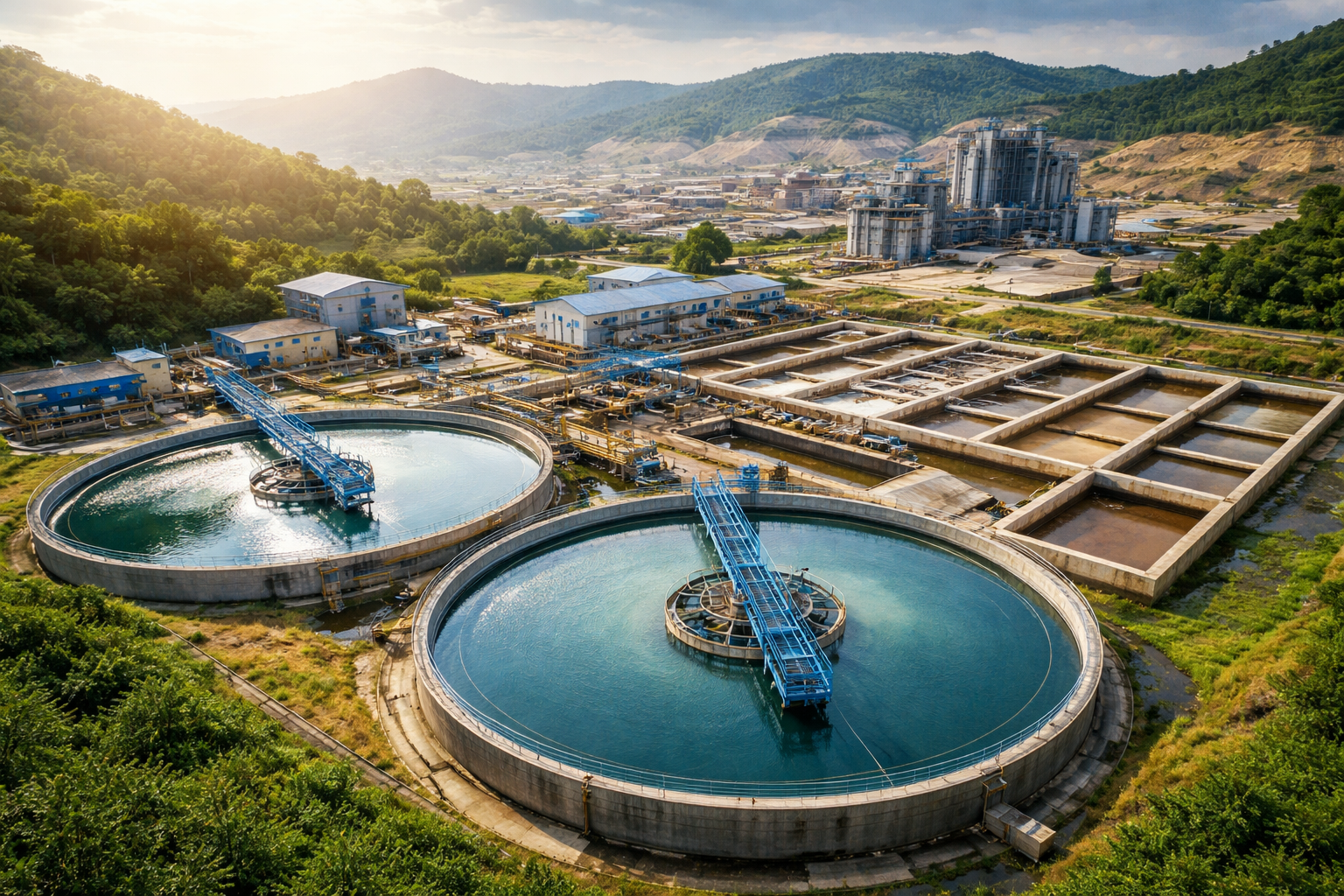
Mpumalanga’s coal belt is a good example of this approach working well. Water treatment plants capable of treating millions of liters of contaminated water per day are being built, and a significant portion of this purified water is provided to local governments to increase drinking water supplies. The remaining purified water is treated according to the required standards for safe discharge.
Similarly, mine wastewater treatment facilities located near old open-pit mines collect, treat and discharge reclaimed water from nearby mining operations, amounting to millions of liters per day. This type of project reduces the demand for freshwater sources and prevents contaminated water from entering local rivers.
In regions with high mine water use, phased water management strategies have also been developed over several decades. These projects demonstrate a shift in mining company focus from short-term operational water investments to mining companies addressing post-closure impacts on local water supplies.
My water strategy that lasts beyond its useful life ensures that communities are not left with contaminated water sources or unpaid treatment debts when the final load is removed from the ground.
Public-private collaboration in water infrastructure
Supported by private investment and expert water technology partners, these projects demonstrate how public-private collaboration can help restore the nation’s critical water infrastructure.
The implementation of closed-loop single-miner solutions has also proven to be a self-sustaining and cost-effective way to reduce freshwater usage by recycling and reusing treated mine water.
Many benefits of mining water investment
Privately funded water projects have many advantages. Addressing traditional water management issues, especially in areas with old mines and large amounts of contaminated water, reduces costs and provides new opportunities to increase water supplies for further use. Such investments also contribute to a social license to operate and provide potential financial incentives, especially if standards for water-related credits (similar to carbon credits) are developed in the future.
Advanced mines are already demonstrating the benefits of increased government water treatment and water supply capacity. Mines are exploring and implementing initiatives that not only solve their own water problems, but also benefit governments and surrounding communities. Depending on the structure, these initiatives can also provide mines with new sources of financial revenue and leverage the benefits of public-private cooperation.
The mining industry supports communities and strengthens environmental resilience by investing in water treatment, recycling and supply infrastructure. These solutions reduce intense pressure on governments by strengthening water infrastructure and treatment capacity, while also benefiting mines through the financial impact of improved long-term water management.
The mining sector is increasingly proving essential to protecting the continent’s most precious resource: water.
