


twenty three
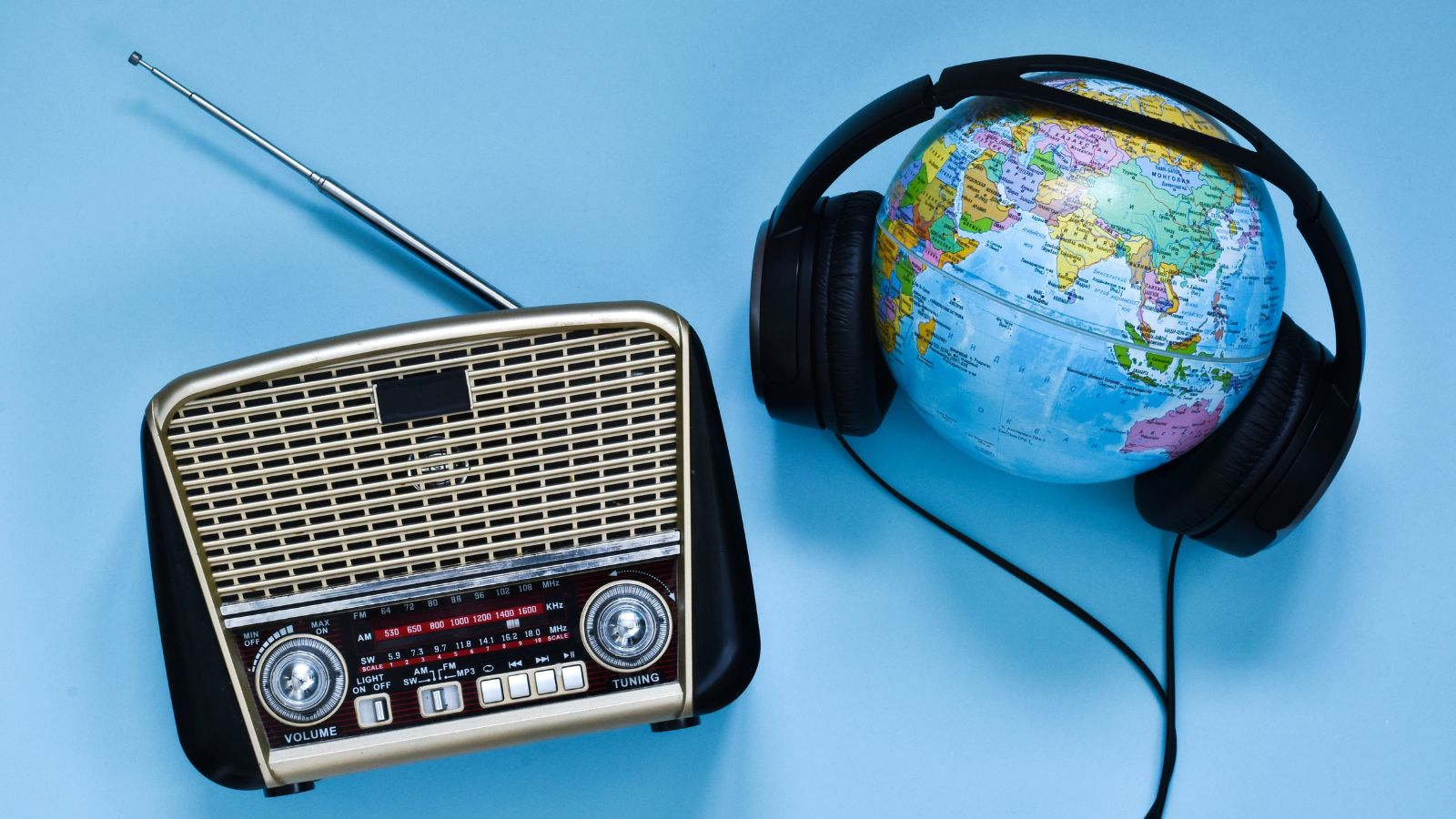
JOHANNESBURG – People around the world, including South Africa, will celebrate World Radio Day today, Friday 13 February 2026, with a renewed focus on how artificial intelligence can shape the future of broadcasting. The theme ‘Radio and Artificial Intelligence’ focuses on radio’s enduring power to bring communities together, exploring how smart technology can enhance creativity without losing the human spark that makes radio special. From live demos in Johannesburg to talks on the ethical use of technology, the day will remind everyone why radio remains a trusted friend in a rapidly changing digital world, bringing news, stories and songs to even the most remote corners.
This annual event was established by UNESCO in 2011 and sponsored by the United Nations in 2012, commemorating the date when UN Radio was first launched in 1946. The event celebrates radio as a simple, low-cost way to share, entertain and teach, especially in places that other media have difficulty reaching. Over the years, themes have changed. Last year it was about radio and climate change, and before that it was about paying homage to radio’s 100 years of informing, entertaining and educating. Now that AI has entered the scene, the focus is on using it wisely to keep radio fresh and unbiased.
Central to this year’s theme is the slogan “AI is a tool, not a voice.” It emphasizes that while machines can help with the job, the real appeal of radio comes from human presenters who bring warmth, authenticity and a sense of reality. AI should support, not take over, the voices listeners know and love. This thinking encourages broadcasters to always keep ethics in mind and consider how technology can open new doors, such as making programming more personal and reaching more people.
For example, AI can categorize listener data to suggest better playlists or identify trends in what people want to listen to. It can even handle tedious tasks like editing sound clips and pulling old shows from large archives. But the slogan warns that AI can fake voices and spread misinformation, which could break the bonds of trust that radio has built over time. UNESCO wants broadcasters to see AI as a helper that brings a human touch and ensures that radio is authentic and trustworthy.
How AI will change radio around the world
Artificial intelligence is already making waves in how radio is produced, shared, and listened to by listeners. AI-powered tools can create scripts faster, translate talk into another language on the fly, and even predict which news will get attention. Editing is faster at removing mistakes and adding effects, giving creators more time to focus on great stories. To disseminate content, AI helps push shows to phones and smart speakers, making radio more discoverable in a sea of podcasts and streams.
On the listener side, the smart system learns your preferences and delivers a custom mix, much like a personal DJ. But experts emphasize the need for clear rules. Broadcasters must inform people when AI is involved, protect personal data and avoid bias in how algorithms select content. UNESCO will be offering free online training sessions this year to help stations start using AI safely. There’s also a guide called “13 Ideas to Celebrate February 13th,” with tips on hosting a live chat on tech ethics, running an AI-generated music contest, and more. Stations can sign up to view events on a world map and build a global network of ideas.
AI in South African radio: Augmenting voice, not replacing it
In South Africa, where radio reaches almost everywhere from bustling cities to remote farms, AI is seen as a way to make broadcasting more powerful and inclusive. With more than 200 community stations and well-known stations such as Ukhozi FM and Cape Talk, the media has a rich history of fighting apartheid through covert broadcasts like Radio Freedom, and now building unity across languages and cultures.
AI can help by translating content into languages such as isiZulu, isiXhosa, Sesotho, Setswana, Afrikaans, and English to convey one program to many groups simultaneously. It analyzes what listeners tune in to and helps radio stations tailor programming to rural populations who rely on radio for weather and health information. For smaller stations with tight-knit teams, AI can help set schedules, discover the latest news, and even curate music to suit local tastes. For example, old recordings can be dug up to revive forgotten stories and keep cultural heritage alive.
But there are also concerns. As bosses use AI to cut costs, real presenters can be replaced by robotic voices, devoid of the empathy and quick thinking that makes radio feel like a chat with a peer. Algorithms without local know-how can miss cultural cues or impose one-sided views. Groups like the South African Independent Communications Authority are being asked to put in place restrictions such as labeling AI-generated bits and ensuring the data is secure. Training journalists is key, and projects like African Women in Media are providing toolkits for the ethical use of AI in newsrooms.
Local celebration and innovation in South Africa
South Africans are taking part in an event that combines the charm of old-school radio with the twist of new technology. The government is leading the commemoration, pointing to the role of radio in sharing culture and fostering dialogue across divides. While broadcasters like Channel Africa talk about how powerful radio is in the digital rush, CapeTalk prides itself on connecting listeners through authentic stories.
A big highlight was the launch of the Digital Radio Mondial (DRM) demo on FM here in Johannesburg. Operated by DRM South Africa Group, it broadcasts a live digital signal on 91.25MHz from its perch above Northcliffe, allowing multiple services such as Radio Pulpit and Hot 102.7 to run on one frequency. This setup not only saves space, but also adds additional features such as text, images, and learning data. Consider audio lessons and distance learning activities using digital books. This ties in perfectly with the theme and shows how digital tools like DRM can work with AI to make radio smarter for information, education, and community connection.
Other spots feature memories from radio’s past, from the ’80s and ’90s to the present, and talks about the future of storytelling. The evening’s awards show will recognize top broadcasters and feature a live show that explores the ups and downs of AI. These gatherings show that radio is down-to-earth, tough and ready to adapt, maintaining its position as the go-to spot for news and fun.
Why radio still matters in an AI world
Even with fancy technology, radio shines because it’s cheap, operates without power or data, and is personal. Updates and comfort are enhanced in difficult situations such as load restrictions and disasters. For young people, it combines with social media to create an interactive show, and for older people, it’s a great ally. The theme for 2026 is one that encourages balance, letting AI do the heavy lifting and allowing humans to shine in what they do best: connect hearts and minds.
At the end of the day, it’s clear that the radio hasn’t turned off. It’s evolving. By embracing AI as a helper rather than a boss, broadcasters can maintain high levels of trust and reach a wider range of broadcasters. For South Africans, this means a stronger voice for everyone to build a brighter, more connected tomorrow, from our city streets to our village homes.
🔴Central News Special Edition | Issue 127: Download the latest print and e-editions | Mayor de Vere Mtheveni leads Heilbronn’s compliance enforcement drive, which aims to increase Ngwathe’s revenue and improve service delivery 🔴
Read more ⬇️⬇️⬇️
PDF file directly here:⬇️⬇️⬇️
https://centralnews.co.za/wp-content/uploads/2026/02/Central-News-Issue-127.pdf
Read all publications about magzter.
https://www.magzter.com/ZA/Central-News-Pty-Ltd/Central-News/Newspaper/All-Issues
Central News also offers sponsored editorial content, podcasts, radio/social media simulcasts, video production, live streaming services, press conferences, paid interviews (video/audio), and more.
We guarantee outstanding exposure, reach and engagement, along with excellent return on investment.
advertisement:
To advertise on our platform (print newspaper or digital platform): Email sales@centralnews.co.za.
Business related:
business@centralnews.co.za
Newsroom:
Please send stories/media statements to: newsroom@centralnews.co.za
General information: info@centralnews.co.za
Office administrator:
admin@centralnews.co.za
Whatsapp / Phone: 081 495 5487
Website: https://www.centralnews.co.za
Social media platforms (@centralnewsza): Linkedin, Facebook, Tiktok, Twitter, Instagram, Youtube
