


Up to 20 GW of hybrid solar and wind power will power green hydrogen and fuel exports. Investment pipeline of USD 50 billion to USD 150 billion over 15 years. The potential to create 40,000 direct jobs and generate up to $8 billion in export revenue annually.
KAHRE Renewable Energy Group has announced plans for South Africa’s first fully integrated net-zero industrial corridor, connecting renewable energy generation in the Northern Cape with green industrial processing and export infrastructure in the Western Cape.
The development aims to establish a globally competitive platform for green hydrogen and derivatives industries, including ammonia, methanol and sustainable aviation fuels, while positioning South Africa as a strategic clean energy exporter.
“What began as a vision many years ago is now taking concrete shape. Our integrated South African platform KTE.energy, Veldrif Water & Power, EcoVision With Velddrif, GreenLink, we are building a scalable energy and infrastructure ecosystem designed to support long-term industrial growth, water security, clean power generation and sustainable urban development,” said Dominic Kahre, Founder and CEO of KAHRE Renewable Energy Group.
At full scale, the corridor is expected to incorporate up to 20 GW of hybrid solar and wind capacity, supported by large-scale electrolysis and industrial facilities. Initial development targets include up to 6GW of electricity generation and 3.5GW of electrolysis by 2030.
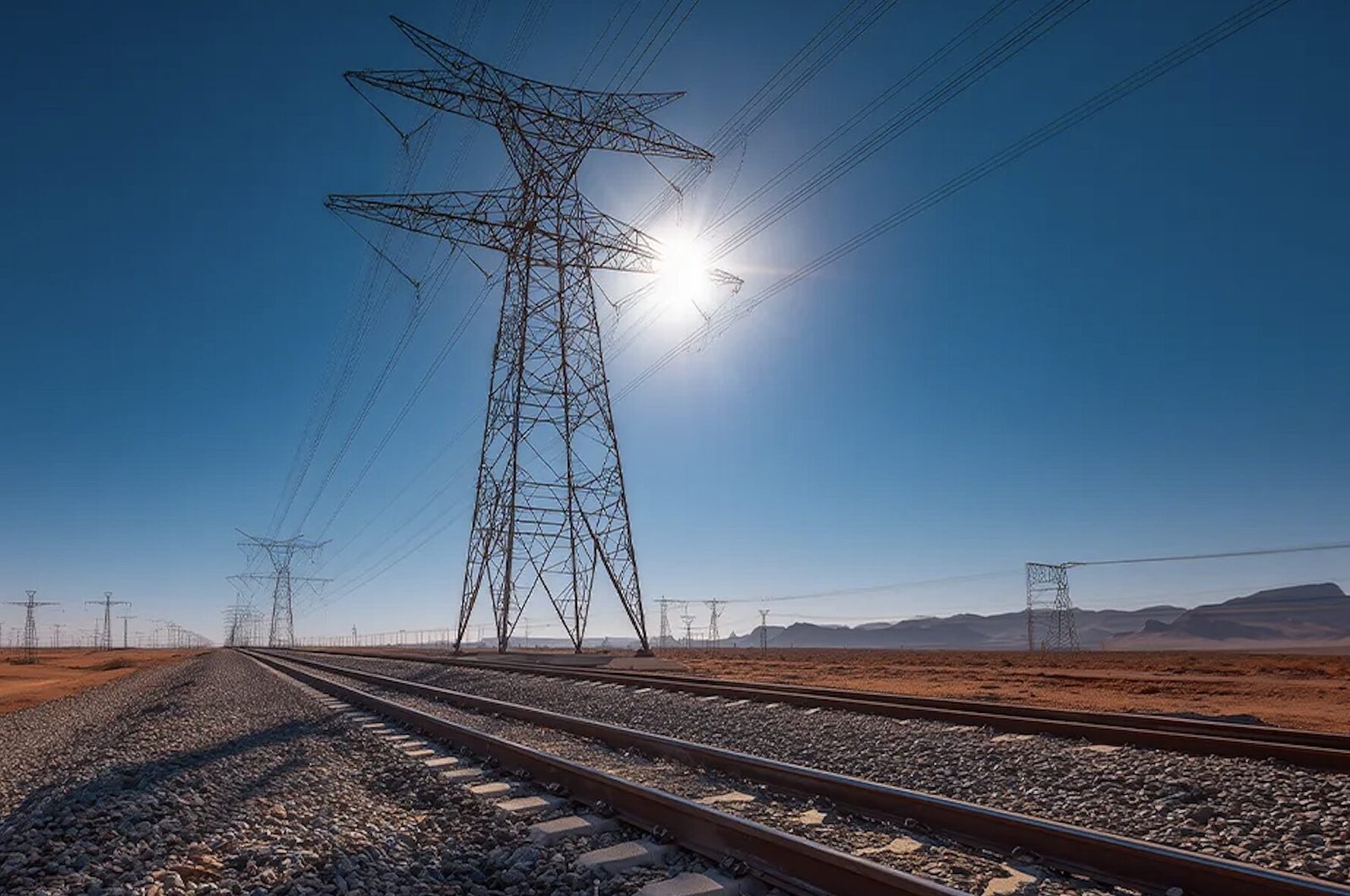
The Northern Cape was chosen for its outstanding solar and wind resources and is widely regarded as the best in the world. Renewable electricity produced inland would be transmitted to the coast via the proposed 450km GreenLink corridor, which would combine high-voltage transmission infrastructure with hydrogen or ammonia pipeline capacity.
By coordinating power generation, transmission and processing within a single platform, the project aims to address grid bottlenecks that are hindering the expansion of renewable energy in resource-rich regions.
At the coastal end of the corridor, renewable electricity will power desalination and green fuel production facilities that connect to export infrastructure in the Saldanha Bay Special Economic Zone.
Water supplies are expected to expand to 150 million liters per day to support hydrogen, ammonia and aviation fuel production. Annual export revenues are estimated at $5 billion to $8 billion, reflecting the growing global demand for low-carbon fuels.
KAHRE estimates that the development could create approximately 40,000 direct jobs and 120,000 indirect jobs across construction, operations, manufacturing and logistics.
Total private investment is projected to rise from R794 billion to R2.3 trillion over 15 years. The project is being developed in collaboration with public and private stakeholders, including the Port and Special Economic Zone Authority of Saldanha Bay.
“This project establishes a scalable and investable platform for South Africa’s net-zero economy,” Mr Khare added. “By integrating renewable generation, transmission, industrial processing and export logistics, we are building a long-term economic infrastructure that is globally relevant and locally rooted.”
Full construction of the Corridor near Verdrif and associated eco-city development is targeted for 2039, making it one of the most ambitious private sector energy transition initiatives ever proposed for South Africa.
Author: Brian Groenendaal
