


South Africa aims to mobilize R2 trillion in new investment over five years to expand exploration, production and export of platinum group metals, rare earths and other critical minerals.
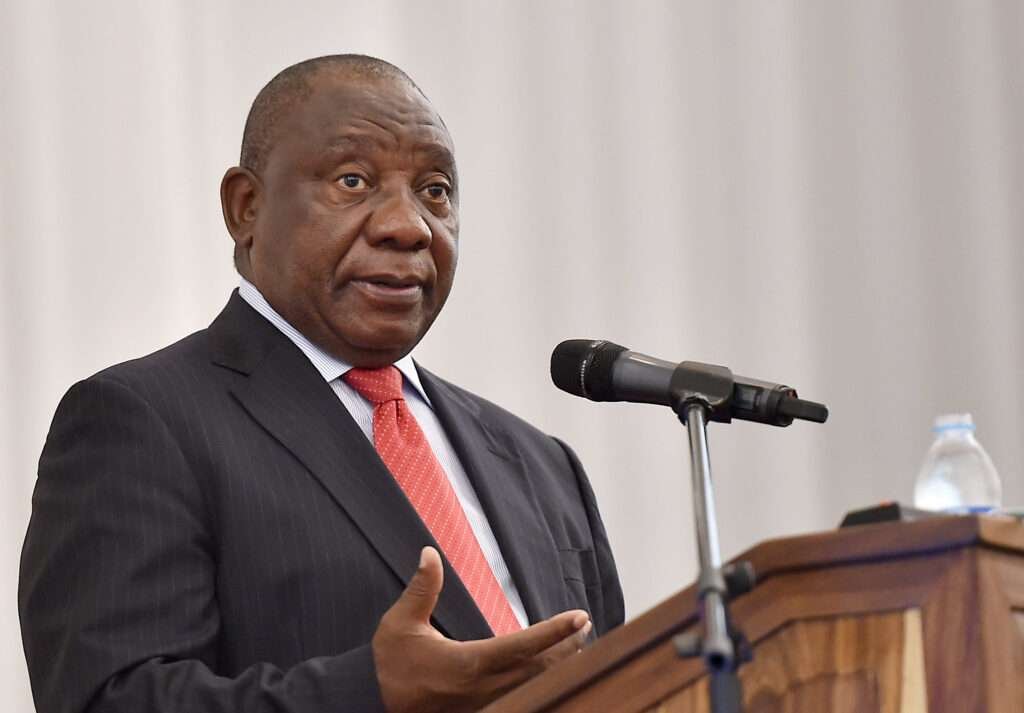
President Ramaphosa has announced a R2 trillion funding plan over five years for the country’s vital minerals sector.
New public and private funding, including a large Junior Mining Exploration Fund and the Anglo American initiative, shows renewed confidence from investors.
Rail, port and energy infrastructure upgrades and EV tax incentives are aimed at supporting mining, mineral processing and export growth.
South African President Cyril Ramaphosa has announced plans to attract R2 trillion in new investment in the critical minerals sector to strengthen the country’s role in the global clean energy and battery supply chain. South Africa is already the world’s largest producer of platinum group metals and chromium and is leveraging its mineral base to expand into high-value manufacturing and export markets.
The announcement, made during the president’s State of the Nation Address last week, comes as global demand for critical minerals is predicted to quadruple by 2040. “Our iron ore reserves are valued at more than R40 trillion, making mining a rising industry. After years of declining investment in exploration, we are pouring money into geological mapping and exploration to tap into our critical mineral reserves,” Ramaphosa said.
Exploration funding gains momentum
Investment momentum is building in South Africa as private capital is attracted and untapped deposits are released. “In the first five South African Investment Conferences, we raised R1.5 trillion in pledges. More than R600 billion has flowed into projects to date. New factories, mines and other facilities are opened every year,” Ramaphosa said.
In February, the state-run Industrial Development Corporation pledged more than R300 million to the Frontier Rare Earths Project in the Northern Cape, targeting initial production of around 3,038 tonnes of NdPr oxide per year, along with dysprosium and terbium, by 2030. To strengthen early-stage exploration, the Junior Mines Exploration Fund has been expanded to R2 billion, supported by an Anglo American commitment of R600 million.
Addressing infrastructure and energy constraints
Structural bottlenecks in logistics and energy remain key risks. South Africa is modernizing its rail and port networks while expanding power generation to support mining and downstream processing. “We have begun to improve the performance of our rail systems and ports, allowing our companies to deliver their products to global markets…In a world where countries are diversifying their supply chains, we have an opportunity to increase exports around the world,” Ramaphosa said.
The government is planning a 150% tax credit for investments in new energy vehicles from March 2026, encouraging downstream manufacturing. Renewable energy targets aim for 40% of electricity generation, supported by the first wave of independent transmission projects that will attract private investment. On the logistics side, Transnet has secured billions of dollars in international financing over the past year, including €300 million from France’s AFD, €350 million from the European Investment Bank, and R94.8 billion in government-backed funding for a five-year modernization drive.
Through exploration funding, beneficiation incentives and infrastructure reforms, South Africa is transitioning from a commodity exporter to an integrated clean energy minerals hub. Increasing global efforts to diversify supply chains are positioning the country as a long-term supplier of energy transition metals, a strategy that is expected to foster job creation, increased exports and deeper integration into global manufacturing networks.
