


The African Development Bank (AfDB), a multilateral financial institution, has approved $58.04 million to expand access to clean electricity across the Gash-Barka region of southwestern Eritrea, directing the funds to a country where national electrification rates are just 54% and rural access is as low as 15%. The financing package, approved on February 18, combines a $37.31 million African Development Fund grant and a $20.73 million contribution from the African Bank Transition Support Facility, highlighting how important concessional development financing continues to be for accelerating the deployment of power infrastructure in deficit frontier energy markets.
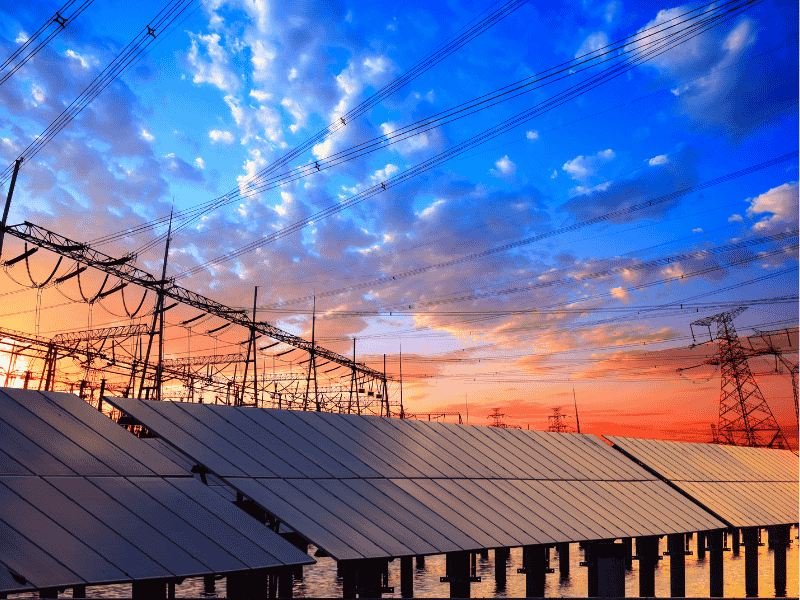
Under the Eritrean Energy Integration Project, the funds will deploy a 34MW solar-powered mini-grid system that will supply electricity to the towns of Tessenyi, Kerkebet and Berantu. The project is expected to benefit approximately 306,000 people, providing reliable electricity to homes and businesses, as well as supporting agro-processing, irrigation and local industry development in areas where agricultural potential is underutilized.
A market built on development finance
Eritrea’s energy market is shaped almost entirely by concessional finance. The country’s electricity grid is severely undersupplied, with around 37 MW of available generation capacity for a peak demand of 70 MW, and estimated to reach up to 200 MW. This structural flaw has historically led to long-term load shedding and widespread reliance on expensive diesel power generation.
Private sector participation remains limited, and Eritrea’s investment environment is shaped by the country’s political isolation and limited economic opening, with grant funding supported by development finance institutions (DFIs) becoming the primary mechanism for capital deployment.
The approval is part of AfDB’s growing involvement in the country’s power sector. In March 2023, the World Bank approved $49.92 million for a 30MW solar power plant in Dekemhale. The power plant was designed to increase the share of renewable energy in the national grid from 3% to 23% while reducing generation costs to $0.185 per kilowatt hour. These two interventions represent more than $100 million in concessional loans committed to Eritrea’s energy sector over three years.
AfDB programs target scalable generations
The Gash Barka project is part of AfDB’s Desert to Power initiative, which targets 11 Sahel countries and aims to generate 10 gigawatts of solar power to power 250 million people by 2030. Eritrea is one of the initiative’s core member states, and its membership reflects both its vast solar resource potential and the scale of the remaining access challenges.
Desert to Power is also part of the broader Mission 300 framework, a joint AfDB and World Bank program that aims to create 300 million new electricity connections across sub-Saharan Africa by 2030. For Eritrea, where the majority of the rural population has never had access to an electricity grid, mini-grid deployment is the most viable short-term path to meaningful electrification.
“Eritrea’s huge potential for solar and wind energy, if fully exploited, has the potential to significantly reduce dependence on biofuels and thermal power generation, thereby reducing environmental and financial costs,” the AfDB said in its desert-to-power initiative evaluation report. “Projects aimed at strengthening this sector will contribute to alleviating poverty, reducing unemployment, strengthening institutional capacity and improving service delivery, especially in the energy sector.”
The Gash Barka project’s integrated structure, which directly links energy infrastructure to agricultural productivity and local enterprise development, is a notable change in DFI strategy. This project treats energy access as a means of economic transformation at the community level, rather than as a separate infrastructure goal.
If successfully applied, this approach could demonstrate that comprehensive development financing works for Sahel neighbors and serve as a model for African countries facing severe energy pressures and limited private investment.
