


Every week, a new startup is born somewhere on this continent. There is a pitch deck. We have a demo day. LinkedIn posts a photo of the founding team standing in front of a banner. applause. excitement. I have a feeling that something is about to begin.
And most of them quietly disappear.
It’s not because the founders lacked talent. It wasn’t because the idea was bad. But the ground beneath it was never solid enough for construction.
I have spent over 10 years in the technology sector in Africa. I’ve built, invested in, nurtured, and buried startups. I’ve seen great people with real solutions fail for reasons completely unrelated to their product or effort. They failed because the infrastructure needed to succeed didn’t exist.
I honestly think this is a conversation we’re not having.
The myth of the missing founder
There is a theory that Africa’s technology ecosystem is primarily constrained by a lack of talent. So if we train more developers, produce more MBA graduates, run more bootcamps, the ecosystem will thrive.
Talent matters. Of course it is. But I’ve sat across the table with hundreds of founders in Cameroon, French-speaking sub-Saharan Africa, and beyond. The talent is there. The idea is there. What is missing is everything around them.
When San Francisco founders launch a startup, they enter a pre-built world. Angel network with established deal flow. A law firm that understands convertible bonds. An accountant specializing in venture-backed companies. A design company that speaks the language of products. Mentors who have previous experience and can compress years of learning into one conversation.
When founders from Buea, Douala and Bamenda launch a startup, they go into the field. And you have to build the roads before you can drive on them.
It’s not a question of talent. It’s an infrastructure issue.
What is infrastructure?
I’m not talking about internet connection, but that’s important too. I’m talking about the invisible systems that enable ecosystems to function.
capital infrastructure.
Most of the French-speaking countries of Africa do not have an established culture of angel investing. Local business leaders with capital tend to invest in real estate rather than start-ups. As a result, founders are forced to chase foreign investors, often without understanding the local market, or not raising money at all. We need a homegrown investment network that believes in local solutions. That’s why I started Mountain Angel Network. Not to replace international capital, but to build upon it.
knowledge infrastructure.
Incubation is more than just an office space with Wi-Fi. True incubation means accessing people who have been through the very problems you are facing. Funding strategy. unit economics. We are hiring our first engineer. Currently negotiating with the Government Procurement Bureau. Most founders in our region solve these problems alone from scratch, every time. Knowledge exists. It’s just unorganized and hard to access.
Design and product infrastructure.
Too many African startups are bringing products to market that are pre-designed and manufactured. UX is an afterthought. A brand is a logo someone created in Canva. And they wonder why their customers don’t trust them. Product design is not a luxury item. It’s the difference between the tools people tolerate and the products they choose.
Community infrastructure.
Founders need to be close to other founders. Not for networking in a transactional sense, but more like a quiet encouragement to keep moving forward when work is hard and results are slow. An ecosystem without community is just a collection of individuals struggling in parallel.
Problems with startup counting
We have become very good at measuring the wrong things. How many startups have been founded this year? How much venture capital has flowed into the continent? How many days have demos been held? How many accelerator cohorts have graduated?
I find these numbers encouraging. However, these are superficial indicators. They teach about activity, not about health.
The more interesting the question is to me, the harder it is to answer. How many of those startups are still in business two years later? How many founders had access to a lawyer before they signed their first term sheet? How many had mentors who actually built something, rather than someone advising them professionally? How many had the financial runway to iterate on a product instead of releasing it hopelessly too soon?
The photo will look different if you measure those things. And our priorities will change too.
Build the ground, not the building
This is the work I have dedicated my career to. At Mountain Hub, we don’t just accept startups into our program and wish them success. We act as co-founders. We sit in a room making difficult decisions. We provide services that founders need but can’t afford early on, including product development, financial planning, legal guidance, and connections to capital.
Through iknite studio, we provide product design and venture building expertise to both startups and corporations. Because a great idea is just a conversation without a well-designed product.
Through CITSCM, we create a space each year where the entire ecosystem can come together, share what’s working, and hold each other accountable for what isn’t.
None of these jobs are glamorous. You don’t see it on magazine covers. Infrastructure construction doesn’t make headlines like fundraising announcements. But it’s the work that makes everything else possible.
a different kind of ambition
I’m not interested in Africa producing more startups. I am interested in creating more startups that survive in Africa. It grows. It’s about hiring people. This solves the problem so well that it becomes essential to the communities it serves.
And to make that happen, we need to stop celebrating launches and start investing in foundations.
We need more people building boring, essential, unglamorous systems that allow founders to focus on what they do best. We need a patient network of capital. Deeper rather than broader incubation models. Design thinking is applied before the first line of code, not after. And once the excitement wears off and the real work begins, the community comes together.
Mountains are not built from the top down. They are built up from the bedrock. And if the bedrock is not solid, nothing that stands on it will last.
That’s what I’m building. And I believe that is what Africa needs most right now.
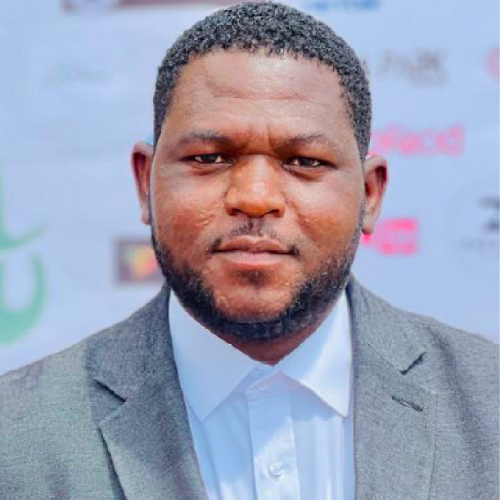
Written by Ayuk Etta
