


Concerns about the spillover of the Iranian conflict across African economies are growing as the war continues to batter key commodity trade corridors.
Countries on the continent are feeling the effects of the war between Iran, the United States and Israel, with ongoing attacks straining the transport of key goods such as gold, oil and fertilizer, according to expert intelligence agency Pangea Risk.
Many African countries rely heavily on imports of energy and fertilizers needed for agriculture and food production, as well as exports of minerals such as gold and diamonds.
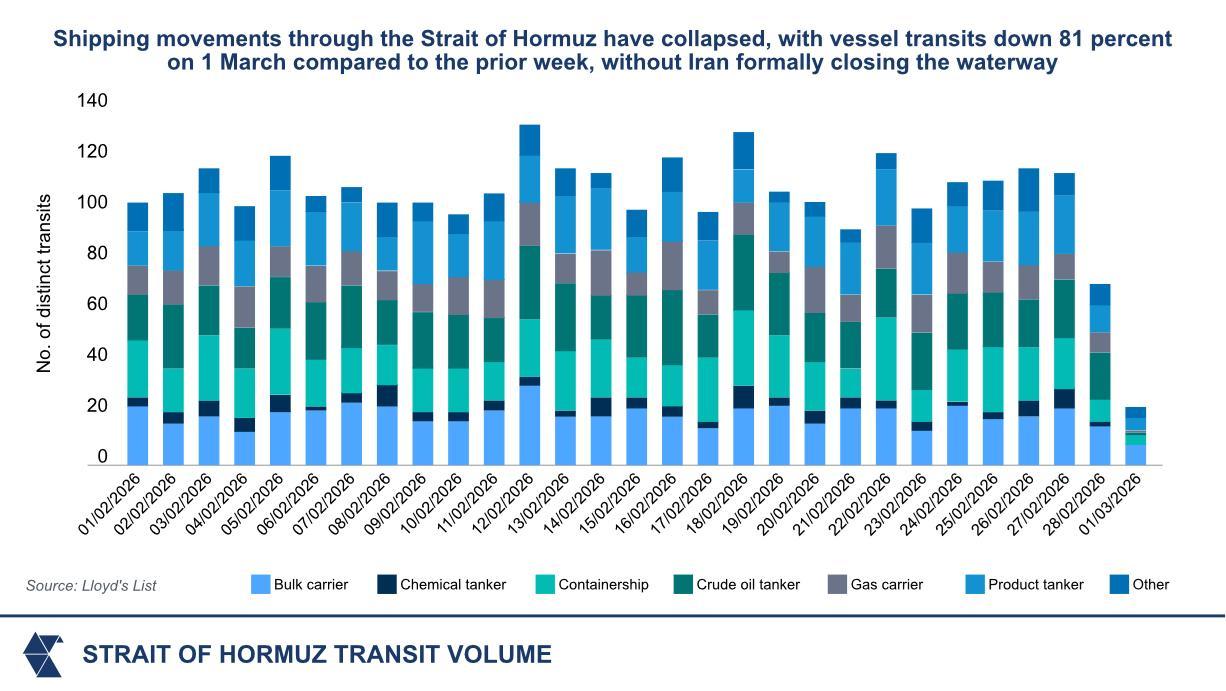
However, key supply routes such as the Strait of Hormuz are now all but halted, and the impact on commodity markets is helping African economies recover from inflation, Pangea Risk CEO Robert Besseling told participants at the GTR Africa event in Cape Town last week.
“This is unfortunate because many African countries have been able to reduce their inflation rates,” he said. The turmoil in the Middle East “could lead to even greater volatility in inflation and interest rates in the future.”
A report from research group Economist Impact earlier this week also confirmed that countries such as Kenya, Uganda, Nigeria and the Democratic Republic of the Congo (DRC) are particularly exposed to economic shocks from conflict because of their dependence on energy and fertilizer imports.
The Strait of Hormuz accounts for a third of seaborne fertilizer trade, with shipments now all but halted due to a series of attacks in the region, according to United Nations Trade and Development.
Saudi Arabia is a major exporter of phosphorus and nitrogen products, while Qatar and Oman operate large ammonia and urea complexes.
Pangea Risk also noted that this could “create an opportunity for Morocco to intervene, as it did during the Russia-Ukraine war.”
At the same time, disruptions to other African commodities such as gold and diamonds are already occurring in countries including the Democratic Republic of the Congo, Ghana, Tanzania and Zimbabwe, where gold can no longer be transported on Emirates flights to Dubai, Pangea Risk said.
“In Botswana, the government has twice the licensed level of diamonds because they cannot be shipped to processing units in the United Arab Emirates or India,” Besseling said.
“This is a direct impact: Many African gold producers are unable to benefit from record high gold prices because they are unable to ship their product.”
Meanwhile, reduced oil supplies from the Middle East could be “good news for some African oil exporters,” Besseling said, adding that Angola expects “a 3.3% gain in its current account if oil prices stay at this level and production can be maintained.”
“However, Angola is also exposed to inflation as it is also a commodity importer and is likely to reinstate some of the fuel subsidies it has been phasing out,” he added.
Other African countries without sufficient refining capacity, such as South Africa, could experience supply shortages and further increases in gasoline prices in March and April.
Meanwhile, Pangea Risk said Nigeria, which has invested heavily in refining and canceled import licenses for multinational companies to expand domestic use, is set to benefit from higher oil prices and increased production.
The intelligence adviser predicted that the war was “unlikely to be prolonged” due to the severe impact on global commodity markets.
“The current conflict, in its frequency, intensity and geographic spread, is beginning to prove unsustainable for all involved,” he said. “The base scenario would therefore be a short, high-intensity war lasting up to three weeks, followed by a gradual pacification phase of up to two months.”
Impact on debt, capital inflows and risk perception
Beyond the impact on commodity markets, promising growth in Gulf investment, including ports, logistics, energy and aviation, “could shrink as there is a renewed focus on domestic security,” Besseling warned.
He warned that the Middle East conflict would also impact debt, capital markets and credit ratings across Africa, as the two regions are “deeply intertwined”.
“African government bond spreads have risen significantly more than other emerging market spreads,” he said, suggesting the war is reinforcing the continent’s existing “risk perception problems.”
“This creates both risks and opportunities. African trade and project finance has high yields, but financing must be sustainable to avoid future debt crises,” he told GTR Africa attendees.
“Export credit agencies and development finance institutions have a critical role to play. Africa faces a $90 billion debt wall this year and many countries cannot absorb any more foreign currency debt. Mobilizing local capital will be critical.”
