


AFC aims to inject $1 billion a year into Africa’s vital minerals sector
AFC’s $700 million investment in mining has already helped create 15,000 jobs
African institutions have the potential to mobilize $4 trillion for infrastructure and industrial projects on the continent
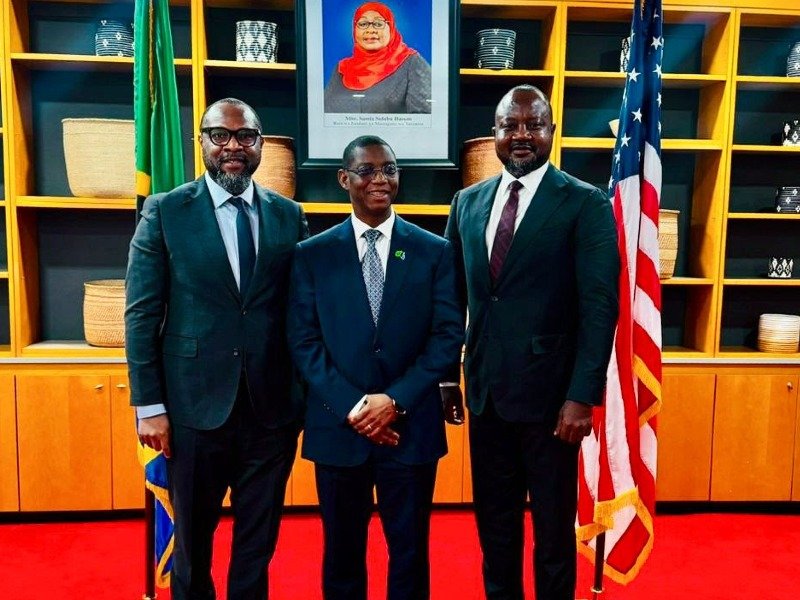
The Bank of Tanzania has made an equity investment in the African Finance Corporation (AFC), strengthening the pan-African multilateral institution’s capital base for infrastructure and industrial projects across the continent.
Tanzania’s sovereign investment is consistent with the AFC’s strategy to unlock domestic capital pools across Africa to address the continent’s infrastructure and investment gaps. AFC estimates that Africa has more than $4 trillion in domestic capital, including pension funds, sovereign wealth funds, insurance assets, bank liquidity and foreign exchange reserves, that could be mobilized for industrialization projects.
Tanzanian investments to advance AFC’s critical minerals agenda
The Tanzanian capital injection is timely for AFC as it seeks to increase investment in projects with high impact in 2026, including logistics infrastructure, energy transition projects and value-added manufacturing across Africa. A key priority for AFC is the critical minerals sector, where the bank plans to invest more than $1 billion a year to unlock Africa’s share of 30% of the world’s total reserves, where global demand is expected to triple by 2030. AFC also seeks to play a key role in unlocking Africa’s estimated $8.5 trillion worth of untapped mineral potential.
Speaking in Cape Town in February 2026, AFC Chairman and CEO Samaira Zubair emphasized the importance of African-led financing in unlocking the continent’s untapped mining potential and developing the region’s mineral value chain.
“Africans need to rethink the way they look at minerals. Minerals are not just an export commodity. With the right policy adjustments, they can create jobs and foster economic growth,” Zubair said.
He added: “As projects such as the Lobito Corridor move forward, Africa will need more than 20,000 kilometers of railways. That will require a lot of steel, much of which the continent currently exports only to be re-imported at high cost. Just as we think about minerals such as lithium and other energy conversion minerals, we must also think about minerals such as potash and phosphates for food security, all of which are strategic resources.”
AFC’s mining investments are already generating tangible economic benefits. In an interview with Energy Capital & Power, AFC Vice President of Investments Molebogen Mazibuko said that by October 2025, around $700 million has been invested in mining projects, supporting the creation of around 15,000 jobs.
Tanzania’s AFC membership strengthens capital flows for economic growth
For Tanzania, joining the AFC as a shareholder creates an opportunity to attract capital into key sectors of the economy.
“Our investment reflects confidence in the AFC model and is consistent with Tanzania’s priorities of strengthening economic resilience, supporting private sector growth and promoting sustainable development through strategic partnerships,” Bank of Tanzania Governor Emmanuel Tutuba said in a press statement.
The East African country has identified 10 priority sectors for investment in 2026, including energy, mining, manufacturing, transport, agriculture, tourism and telecommunications.
In the mining sector, Tanzania is pursuing projects focused on graphite, rare earths and nickel, which are in high demand globally due to the energy transition and rising defense spending.
Major energy developments underway include the expected completion of the East African crude oil pipeline in 2026 and efforts to advance the country’s $30 billion LNG development program.
These projects are in line with AFC’s strategy in Tanzania, which Zubairu says is focused on increasing its involvement in sectors that support industrialization and regional integration.
