


Editorial
Written by Julian Baskin, Senior Urban Advisor, City Alliance
Dalila Goncalves, UNOPS Africa Regional Director
Mr. Oumar Shira, UN-Habitat Regional Director for Africa
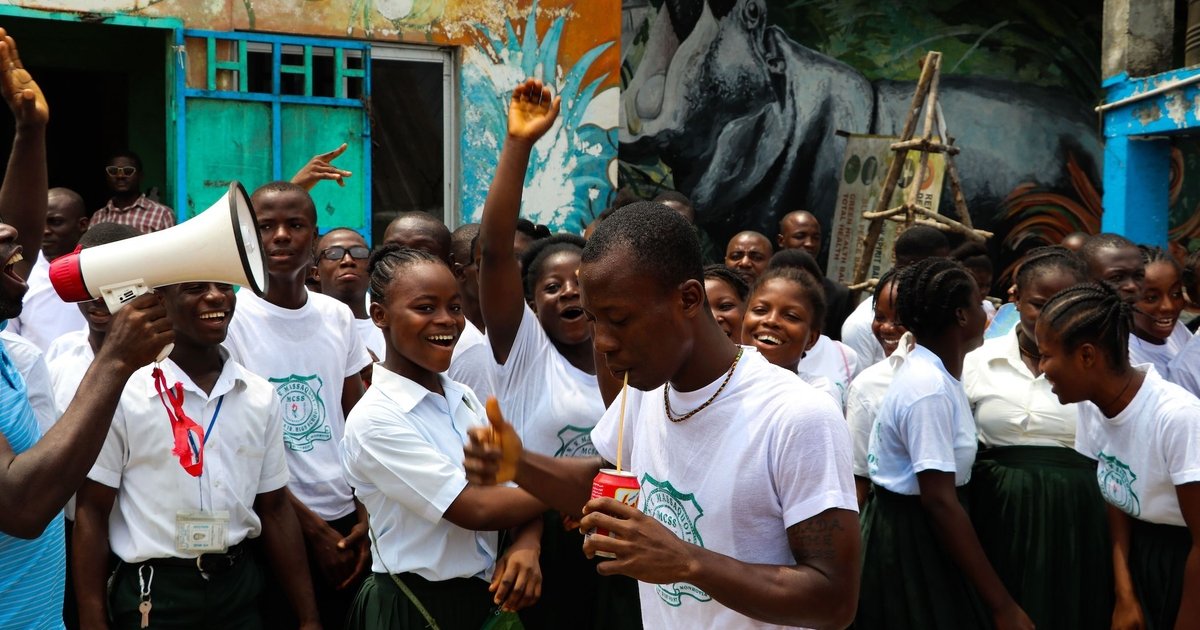
Africa’s young population, the continent’s greatest asset, holds the key to driving economic growth, urban transformation and climate resilience if given education and opportunity.
Challenges such as youth unemployment, rapid urbanization and climate vulnerability pose significant risks, but also opportunities for Africa’s youth to lead change.
With the right investments in infrastructure, governance and green jobs, Africa’s youth can build resilient cities and turn today’s challenges into catalysts for sustainable development.
With 54 diverse countries and a population of 1.3 billion, Africa is united by our common strength: our youth. More than 60 percent of the population is under the age of 25, increasing optimism about the continent’s future.
This optimism is rooted in the transformative potential of a generation that is well-educated, digitally connected and demanding more from society. But this confidence stands in sharp contrast to the outdated and negative narratives often imposed on Africa, ones that persist in poverty and insecurity. This narrative is driven by three key challenges: youth unemployment, rapid urbanization, and the worsening effects of climate change. These challenges interact and create barriers to Africa’s development, but also opportunities for fundamental transformation.
First, mass unemployment among young people is a serious problem. Historically, Africa’s economies have been shaped by resource extraction, with limited integration into regional and global markets. As a result, most young people have few opportunities for formal employment and are forced into the informal economy, where there is little stability or security.
Second, urbanization is rapid and poorly managed, resulting in informal settlements and inadequate infrastructure in Africa’s fast-growing cities, with minimal job creation. Finally, environmental degradation and climate change exacerbate these vulnerabilities, with floods, heatwaves, and droughts destroying homes, destroying livelihoods, and destabilizing communities.
While these challenges are important, they also serve as the driving force for Africa’s regeneration. The continent’s young population is growing rapidly and is projected to form the world’s largest workforce of more than 1 billion people by 2050.
However, with more than 61 per cent of Africa’s workforce currently employed in the informal sector, most new jobs are likely to remain there.
Unfortunately, Africa’s urbanization patterns have not been accompanied by the expected economic growth, resulting in widespread unemployment. This poses challenges in providing stable employment, social protection and long-term economic growth.
To unlock the full potential of this workforce, there is an urgent need to invest in education, skills development and innovation to take advantage of the opportunities presented by the digital age. Targeted support for youth entrepreneurship and microenterprises can harness the creativity and resilience of African youth to formalize and transform the informal economy.
Africa is urbanizing at the fastest pace in history. By 2040, more than 60 percent of the population will live in cities.
This rapid urbanization, if managed well, offers tremendous economic opportunities. Historically, cities have been engines of growth and drivers of productivity and socio-economic transformation. African cities are no exception.
There is a strong link between urbanization and economic growth, which can be leveraged to help Africa achieve its development goals. Well-planned and comprehensive urbanization can transform cities into centers of innovation and job creation. The declaration of the first-ever African Cities Forum, held in Addis in September, called for strong youth involvement in urban planning, decision-making and finding solutions to climate change. Young people, especially those already active in the informal economy, will play a key role in transforming these urban centers into engines of prosperity.
But climate change is an ever-present threat. Although Africa accounts for less than 4% of global carbon emissions, its impact is disproportionately large. Seven of the 10 countries most affected by climate change are in Africa. As temperatures rise and water becomes scarce, Africa’s cities, especially informal settlements, will become more vulnerable to climate shocks.
But Africa also has an opportunity to become a leader in climate action. The continent is rich in renewable energy potential, and technological advances are making it easier for African cities to adopt clean and sustainable energy solutions. Many cities, especially secondary cities, are still in the early stages of development, giving Africa an opportunity to design cities with climate resilience in mind. By leapfrogging outdated technologies and embracing nature-based solutions, African cities can not only adapt to climate change, but also thrive in the face of climate change.
Youth-led climate action is essential to this transformation. Young people in Africa are already leading the way in advocating for bold climate policies and promoting sustainability and resilience at the local level. From renewable energy projects and circular economies to green jobs initiatives, Africa’s youth are showing they are ready to drive climate resilience and urban development. Investing in climate-resilient urban planning and green jobs will not only help alleviate environmental challenges, but will also create new economic opportunities for the continent’s young people.
With the right policies and investments, Africa’s youth can transform today’s challenges into tomorrow’s opportunities and drive change across the continent.
City Alliance, UNOPS, UN-Habitat and other international organizations are well-positioned to support these efforts by leveraging investments in education, governance, infrastructure and climate resilience to ensure that the aspirations of African youth are not overlooked, especially in the context of the establishment of the Loss and Damage Fund and the upcoming COP 29.
But truly unlocking Africa’s potential will require broad collaboration between governments, international organizations, civil society and the private sector. Collaboration at all levels is essential to enable Africa’s youth to build resilient and inclusive cities of tomorrow.
Africa’s youth are not just the future, but also the current leaders who are shaping the trajectory of the continent.
By harnessing energy, innovation and resilience, Africa can rise to the challenges of urbanization and climate change and become a global leader in sustainable development and urban resilience.
