


GCA and African Development Bank strengthen climate-resilient agricultural value chains in eastern Angola
R
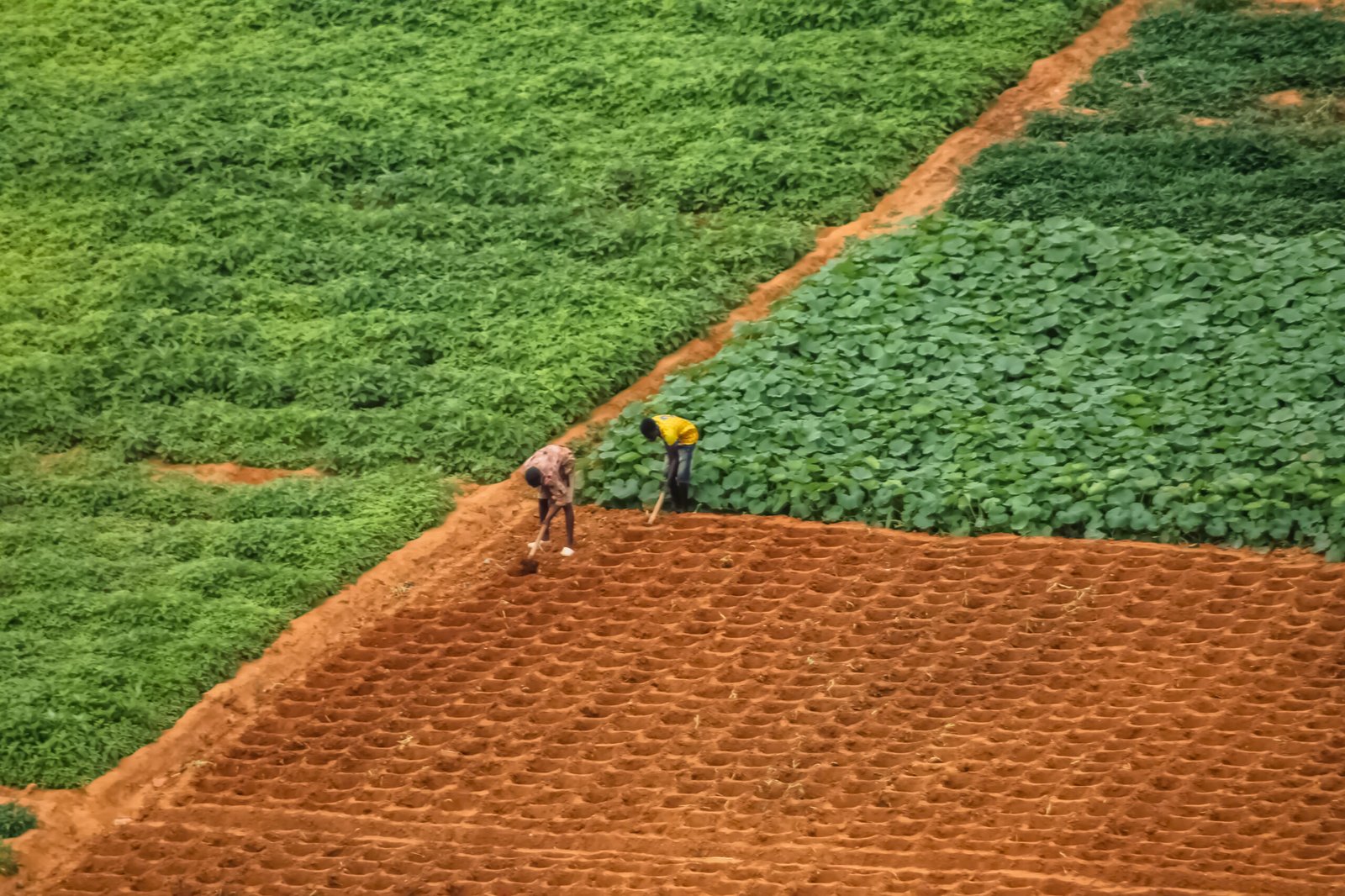
Otterdam, 25 November 2025 – The Global Adaptation Center (GCA) today announced the launch of technical assistance to integrate climate adaptation into the African Development Bank (AfDB) Eastern Angola Regional Agriculture Value Chain Development Project. AfDB’s US$211.4 million investment aims to improve food and nutrition security, increase household incomes, and expand employment opportunities in Angola’s eastern provinces of Lunda Norte, Lunda Sul, Mojico, and Cuando Cubango, widely known as the country’s agricultural breadbasket. Implemented under the African Adaptation Acceleration Program (AAAP), co-led by AfDB and GCA, the project will support resilient growth across key value chains including cassava, maize, beans, sorghum, soybean, groundnuts, cocoa, coffee and oil palm, reaching more than 440,000 direct and indirect beneficiaries from 2026 to 2031.
Angola’s agricultural sector is increasingly exposed to the effects of climate change, with drought alone affecting around 1 million people each year and climate-related disasters costing the country nearly US$1.2 billion from 2005 to 2017. At the same time, many smallholder farmers in the eastern region face persistent barriers, including limited access to high-quality inputs, climate-resilient seeds, extension services, and reliable markets, constraints that keep yields and incomes low. GCA supports detailed climate risk assessments and robust digital approaches to strengthen climate-adaptive seed systems, input provision, market access, and resilience-focused training. GCA support is designed to ensure that investments are fully aligned with Angola’s climate risks and rural development needs.
GCA conducts climate risk and vulnerability assessments through technical assistance, producing risk maps and projections under multiple climate scenarios, and informing how climate change is likely to impact priority crops and value chains over time. This initiative will guide the selection and expansion of climate-smart agricultural options based on technical feasibility, cost-effectiveness, and accessibility for producers. GCA is also analyzing the demand and supply of climate-resilient seeds and looking at ways to digitize the value chain for these seeds to improve availability and uptake. In parallel, the GCA is supporting the development of private sector-led input and output markets, including business cases and return on investment models to scale up the Digital Climate Advisory Service (DCAS) and strengthen market linkages between farmers and off-takers. Digitally-enabled market information systems will improve price transparency and transaction efficiency, while capacity-building programs for state agriculture departments, extension agents, and farmers will help embed climate-resilient practices through farmer field schools and participatory leader farmer models. These efforts will be strengthened through collaboration with CGIAR partners, including IITA/TAAT and IWMI, to expand proven adaptation solutions such as drought-tolerant seed varieties, water-efficient irrigation technologies, remote sensing tools, and early warning platforms.
By 2030, the project will enable more than 116,000 farmers to adopt improved climate-resilient inputs such as micro-irrigation, fertilizers and adapted seed varieties, with at least half of the beneficiaries expected to be women and nearly a third young people. It aims to contribute to 40,000 additional jobs for women and youth across the value chain, expand climate-resilient cultivation on 200,000 hectares of farmland, and establish four agribusiness service centers to strengthen advisory support, private investment and market access in the four target states.
Professor Patrick V. Verkoien, President and CEO of the Global Adaptation Center, said: “Across Africa, climate change is eroding food security and placing enormous strain on rural livelihoods, but this doesn’t have to be the case. By integrating climate risk analysis, digital advisory tools, and climate-resilient technologies with large-scale investments, we can transform fragile agricultural systems into powerhouses of resilience and prosperity. Angola has the potential to become a regional leader.” And this partnership with the African Development Bank is a decisive step towards securing that future. ”
The Eastern Region Agricultural Value Chain Development Project is aligned with Angola’s national development priorities, including Vision 2050, National Development Plan 2023-2027, PLANAGRAO 2022, and Feed Africa goals, and supports the government’s broader drive to diversify the economy through resilient and productivity-oriented agriculture.
