


Africa’s housing markets are diverse and reflect a wide range of economic conditions, urban planning strategies and government policies. While some countries are grappling with soaring real estate prices, others are offering surprisingly affordable homeownership opportunities.
Housing affordability is typically assessed using metrics such as the price-to-income ratio, the average home price, and the percentage of income allocated to housing costs.
This report examines the 10 African countries that offer the most affordable housing, based on data available from housing market reports, official government statistics, international real estate platforms, and economic research publications.
This analysis reflects recent trends in housing affordability as shaped by government programs and evolving market trends.
Also read: How to save money while living on a salary of less than GH¢1,000 in Accra
10 African countries with the most affordable housing prices
Affordable housing in South Africa. Photo courtesy: shra.org.za
According to multiple market indicators, South Africa leads the continent in housing affordability. The country’s price-to-income ratio is 3.07, suggesting that average housing costs are just over three times the average annual household income. Pretoria stands out as the most accessible major city, with a price-to-income ratio of just 2.4. Furthermore, rental yields in the city center are reported to average around 10.86%, providing value to both homeowners and investors.
Also read: 7 Morning Drinks to Boost Energy Naturally (No Caffeine)
)
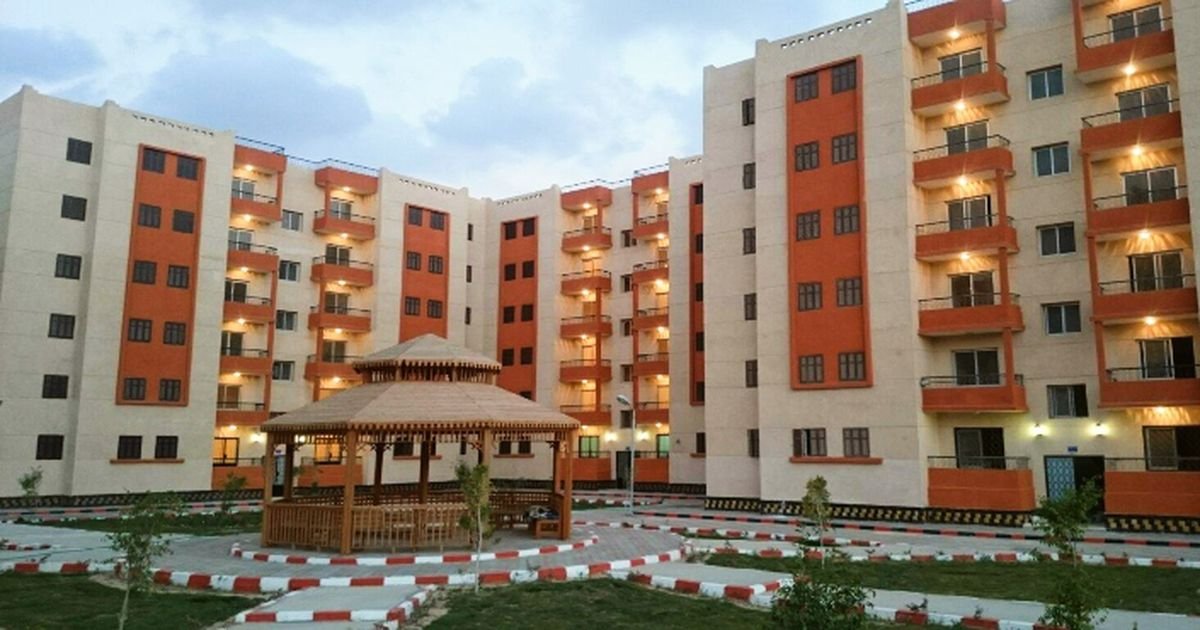
Apartment building in Egypt. Source: Daily News Egypt
Egypt consistently ranks among the most affordable housing markets in the world. As of 2021, more than 90% of urban households have access to sufficient mortgage financing to purchase a new home, according to housing surveys and government data. The country’s extensive housing development programs and state-subsidized mortgage initiatives have expanded access to homeownership across income groups.
Also read: Wearing anklets: Is it related to sex work, spirituality or just fashion? Experts explain
)
Affordable housing in Tanzania. Credit: STR/NIK ABDULLAH NIK OMAR
Affordability is widely available in Tanzania, especially outside of major urban centers such as Dar es Salaam. The government has rolled out several low-cost housing policies, and the relatively low cost of construction materials contributes to ease of market access. Secondary cities and rural areas remain particularly affordable and attractive to first-time buyers and low-to-moderate income earners.
Affordable housing in Kenya. Credit: Kenya News Agency
Kenya’s housing market is characterized by fairly affordable prices in secondary cities, despite Nairobi’s high prices. Cities like Mombasa, Kisumu, and Nakuru offer more affordable pricing. The government’s affordable housing program, which aims to supply 500,000 homes, has also played a role in curbing soaring prices and increasing access to housing.
Related article: World Bank reveals 22% of Ghanaians borrow from mobile money to survive
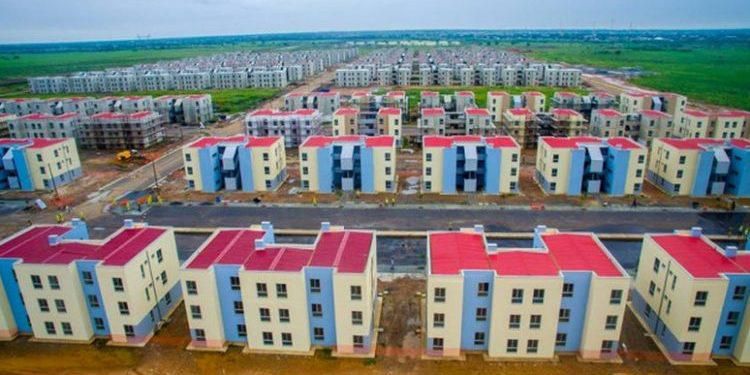
sagremi housing
Ghana maintains a relatively affordable housing sector, supported by stable economic conditions and government housing policies. Although prices in Accra remain high due to high demand, cities like Kumasi and Takoradi offer much more affordable options. The National Housing Policy aims to promote access to housing and support affordability for low- and moderate-income households through public sector engagement and public-private partnerships.
)
affordable housing in uganda
Uganda ranks as the most affordable housing market in Africa. Even in the capital, Kampala, housing prices remain within the reach of many middle-income households. Costs are significantly lower in rural towns and smaller municipalities. Government support for low-cost housing construction and simpler building standards also help maintain affordability.
Also read: Top 10 most dangerous jobs in the world
)
Photo credit: africapanoramazm.com
Zambia’s real estate market continues to offer affordable prices in both urban and rural areas. Lusaka is experiencing modern housing development at relatively affordable prices. Additionally, targeted workforce housing and community-based construction projects offer low-cost alternatives in mining regions and small towns.
)
Photo credit: andalousimmo.ma
Morocco has benefited from a long-standing commitment to affordable housing through government-supported programs targeting different income groups. Subsidized mortgage schemes and social housing initiatives have widened access. Although prices vary widely between urban centers and small towns, overall affordability remains an important policy objective.
Related article: Introducing Strive Masiyiwa: Zimbabwe’s richest man pushing the limits with Africa’s first AI factory
)
Photo credit: Aparthotel.com
Tunisia offers one of the most affordable housing markets in North Africa, supported by a strong government housing framework and relatively stable economic conditions. Both urban and rural home buyers benefit from a balanced ratio of price to income. Recent reforms seek to strengthen access to mortgage loans and promote homeownership among young people.
)
Photo courtesy of housingfinanceafrica.org
Malawi stands out as having the lowest absolute housing costs on the continent. While this kind of affordability reflects the country’s broader economic challenges, cities like Lilongwe and Blantyre offer significantly lower property prices by global standards. This makes it possible for a large portion of the population to pursue homeownership despite limited average income levels.
Also Read: Top 10 Weakest African Currencies in 2025
Key factors affecting housing affordability
government housing policy
National housing strategies play a key role in improving housing affordability across Africa. Countries such as Egypt, Morocco, Kenya, and Ghana have strong programs such as construction subsidies, mortgage assistance, and public-private partnerships. These efforts will help cushion the impact of rising land prices in urban areas and support low-income households.
Also read: Top 15 Strongest Currencies in Africa in 2025
Construction costs and materials
)
temporary construction worker
The availability of local construction materials is a major determinant of housing costs. Countries that produce domestic cement, wood, and bricks often benefit from lower construction costs. Additionally, government policies that streamline land acquisition and building permits could accelerate the supply of affordable housing.
Also read: Renting or building? How to make the smartest housing choice as a young person
)
economy
Macroeconomic stability, employment rates, and wage levels directly impact affordability. As household income increases, purchasing power increases, especially when matched with supportive mortgage schemes. Countries with steady economic growth, such as Ghana, Tanzania, and Kenya, generally report improved access to housing for their citizens.
Also read: Bill Gates falls out of the top 10 richest people in the world – see the latest rankings
Disparity between urban and rural areas
There is a clear contrast between real estate prices in urban capitals and rural towns. In many African countries, housing costs in rural areas are 50-70% lower than in capital cities. Secondary cities often emerge as affordable havens, offering improved infrastructure without the high costs found in large urban centres.
Population growth and urbanization
)
Accra, via Muntaka Chasanto/Wikimedia Commons
Rapid population growth and accelerating urbanization pose both opportunities and challenges to affordable housing. Countries that actively manage urban growth through infrastructure planning and land-use regulation are more likely to maintain affordable housing markets.
Also read: Top 10 Strongest Currencies in the World in 2025
Outlook for housing prices in Africa
Housing affordability trends in Africa remain largely positive. The government’s commitment to affordable housing, coupled with economic development and expanding construction capacity, suggests promising prospects. Many countries are investing in national housing funds, mortgage refinancing schemes, and affordable housing regulations.
While capital cities are likely to remain expensive due to land constraints and rising demand, rural areas and emerging cities will continue to offer more accessible paths to homeownership. Continued investment in infrastructure, urban planning and financial innovation is essential to sustaining and expanding housing affordability across the continent.
Also Read: 10 Jobs with the Most “Annoying” Workers in Ghana – The #1 Will Surprise You
Note: Numbers reflect general trends and may not reflect current prices in your specific region. Housing costs vary depending on location, construction quality, and local economic factors.
