


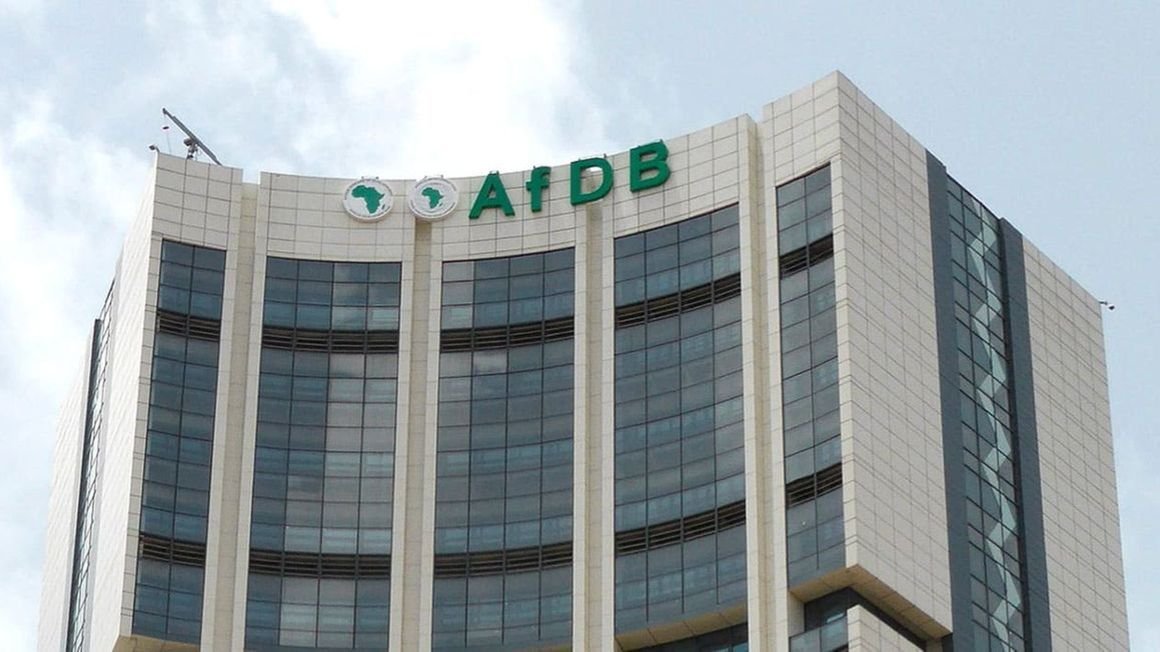
Africa’s development partners have announced a new strategy aimed at filling the continent’s growing annual funding gap, which is currently estimated at around 52 trillion lice.
This is due to increasing pressure to mobilize large-scale capital for growth and resilience.
Notably, the Arab Coordination Group (ACG) and the African Development Bank Group (AfDB) have launched a new phase of their partnership focused on increasing co-financing, attracting private capital, and accelerating Africa’s economic transformation.
The initiative was announced at a high-level consultation meeting held at AfDB headquarters in Abidjan.
The conference established a common platform aimed at moving Arab-African cooperation from piecemeal efforts to large-scale programmatic joint investments aligned with Africa’s development priorities, including energy access, climate resilience, food security, regional integration, and private sector-led growth.
Discussions centered on how ACG and AfDB can leverage their balance sheets, long-term financing capabilities, and sectoral expertise to jointly anchor cofinancing and mobilize larger, coordinated public-private investment.
The talks also considered ways to strengthen joint project preparedness, harmonize financing approaches and ensure that investments deliver tangible impact and long-term resilience.
The consultations are rooted in the Bank’s push to strengthen Africa’s financial sovereignty through the New African Financial Architecture (NAFA).
The mechanism aims to better integrate development finance institutions, capital markets, insurance companies, guarantee providers and private investors across the continent.
Furthermore, the meeting culminated in the adoption of a joint declaration on the strategic partnership between the ACG and AfDB, setting out priority areas of cooperation and mechanisms for institutional follow-up.
As a next step, the partners plan to develop a financing and operational partnership framework within the year, including coordinating a co-financing pipeline and working closely with the AfDB’s concessional lending arm, the African Fund for Development.
“What we need now is a very strategic, more structured partnership,” said AfDB President Sidi Ould Tarr.
He added that external shocks are widening the continent’s development financing gap, the gap between current financing and the funds needed to invest in ports, agriculture and other infrastructure that will enable development across African economies.
In December last year, he put the difference at $402 billion (Sh51.9 trillion) a year.
Meanwhile, Rami Ahmad, vice president for operations at OPEC’s International Development Fund, said the new approach includes the creation of a coordination platform that targets long-term, big-ticket spending across the region rather than one-off investments in individual countries.
Over the years, Arab financial institutions have contributed billions of dollars to Africa’s development in projects such as infrastructure, sanitation and agriculture.
ACG is a strategic alliance that provides a coordinated response to development finance.
Since its founding in 1975, the Alliance has contributed to the development of economies and communities for a better future, providing more than 13,000 development loans in more than 160 countries around the world.
It is comprised of 10 national, Arab regional and international organizations, including the Abu Dhabi Development Fund, the Arab African Economic Development Bank, the Arab Economic and Social Development Fund, the Arab Gulf Development Programme, the Arab Monetary Fund, the Islamic Development Bank, the Kuwait Arab Economic Development Fund, the OPEC International Development Fund, the Qatar Development Fund, and the Saudi Development Fund.
